01
Common principles of membrane lipids
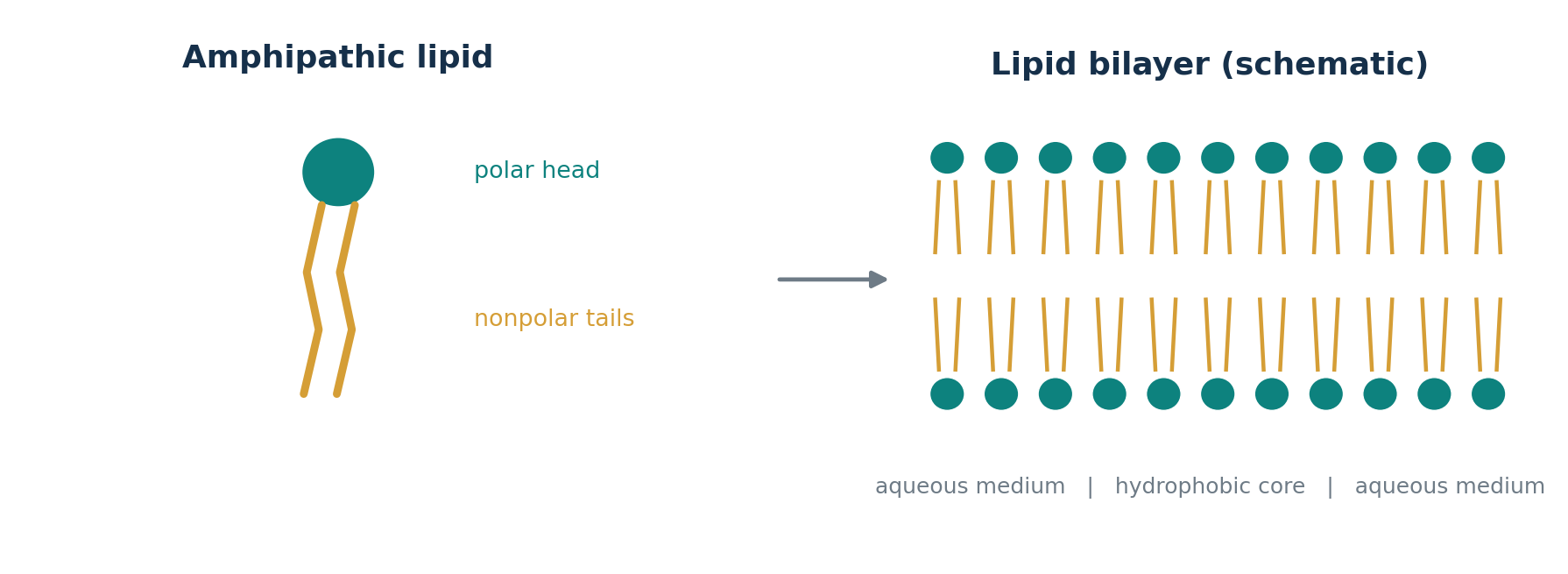
- Membrane lipids are amphipathic molecules with a polar head and a non-polar hydrocarbon portion
- In water the hydrophobic parts cluster, ordering of surrounding water falls and free energy decreases, the hydrophobic effect
- Lipids with two long chains generally form bilayers well
- Single-chain surfactants readily form micelles, though head size and conditions change the assembly
- The membrane interior is hydrophobic, so ions and most polar molecules cross only slowly
- Gases and some small non-polar molecules permeate relatively easily
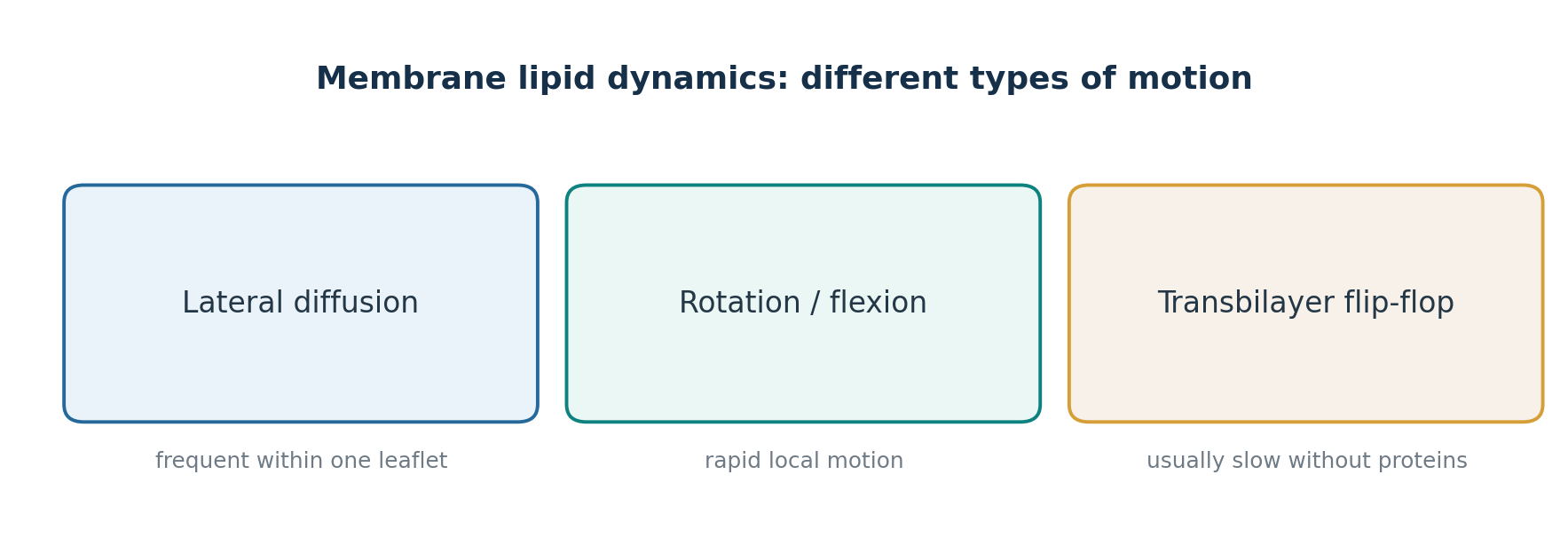
- Lipids diffuse laterally and rotate within a leaflet, while flip-flop between leaflets has a high energy barrier
- Flippases, floppases and scramblases regulate transverse movement
- Longer chains pack more tightly and many cis double bonds lower the transition temperature
- Real fluidity depends on temperature, cholesterol, lipid type, proteins and ions together
02
Glycerophospholipids are derivatives of phosphatidic acid
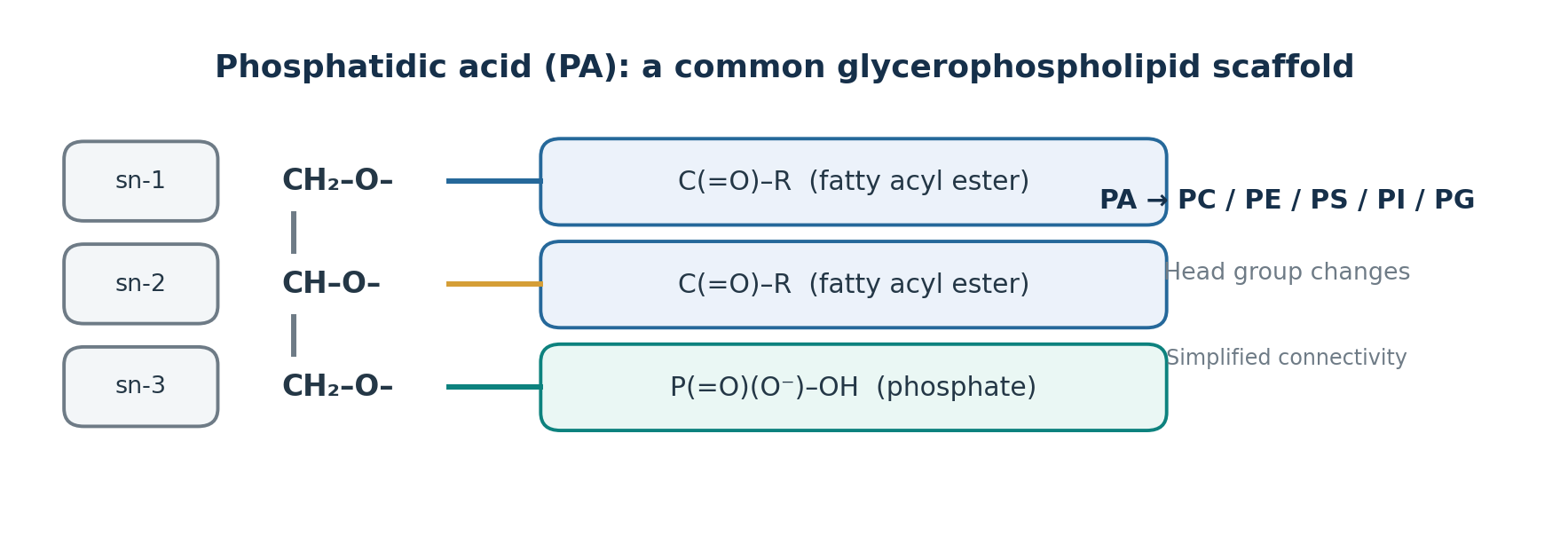
- The backbone is glycerol with fatty acids esterified at sn-1 and sn-2 and phosphate at sn-3
- The simplest form, phosphatidic acid, is diacylglycerol plus phosphate
- Adding an alcoholic head group gives PC, PE, PS or PI
- PC and PE carry ammonium and phosphate charges that nearly cancel, giving net charge near zero but not the absence of charge
- The charge of PS and PI depends on pH and ionic environment
- The prefix phosphatidyl denotes the shared glycerol, two acyl chains and phosphate
- With the same shared part, a different head group changes surface electrostatics and protein binding
- Not every membrane has the same lipid proportions
03
Ester and ether linkages
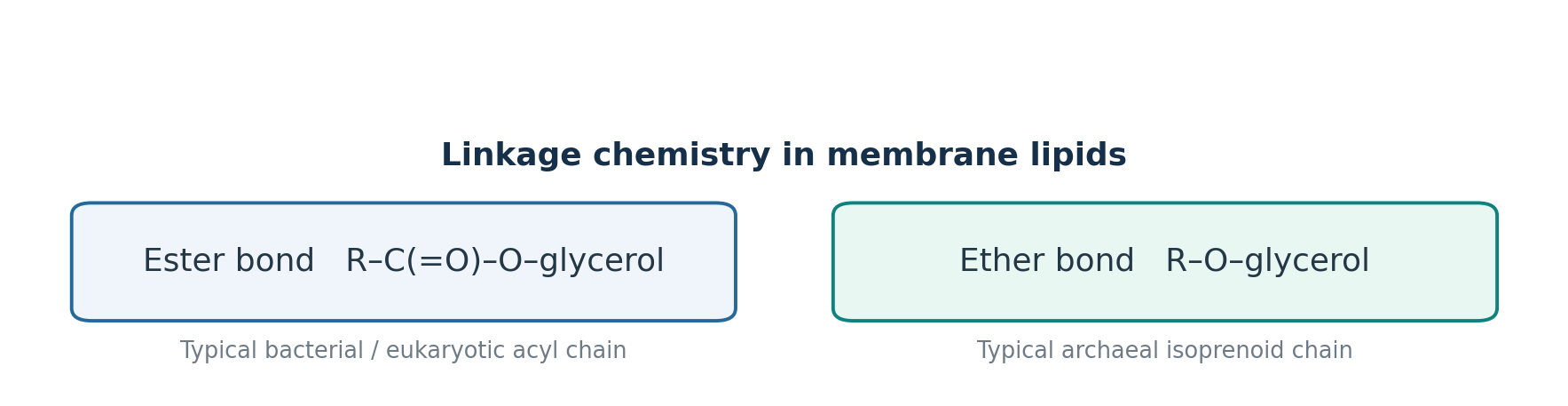
- In ordinary glycerophospholipids the fatty acid carboxyl forms an ester with glycerol, giving the -O-C(=O)- arrangement
- In some membrane phospholipids the sn-1 position is an ether link
- Plasmalogens carry a vinyl ether at sn-1, and platelet-activating factor is another ether lipid
- The two linkages differ in susceptibility to hydrolysis
- Ether links are not automatically stable under all conditions, and vinyl ethers can be oxidation-sensitive
- Archaeal lipids are distinguished by isoprenoid chains attached through ether bonds
- Most animal and plant glycerophospholipids use ester bonds, with ether lipids as the exception
- Absence of a carbonyl band in an infrared spectrum is a clue, though other carbonyl groups must be considered
04
Chloroplast galactolipids and sulfolipids
- The chloroplast thylakoid membrane differs markedly in lipid composition from animal membranes
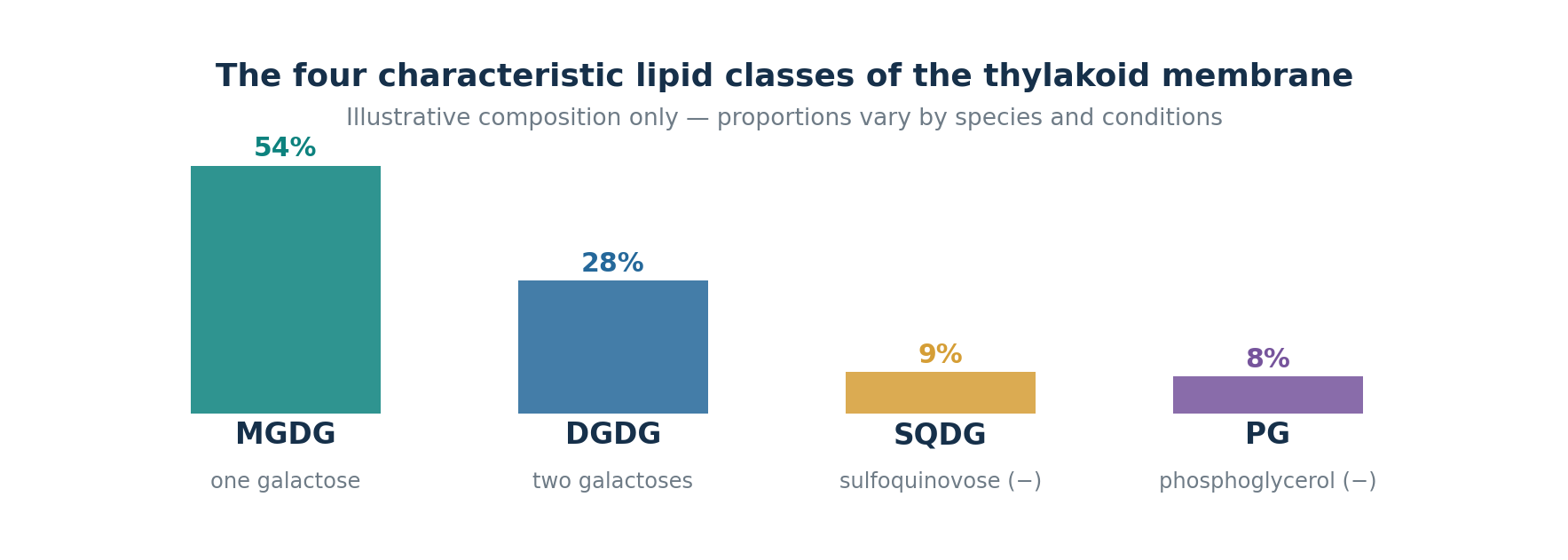
- Main components are MGDG with one galactose, DGDG with two, SQDG with a sulfoquinovose head and the anionic phospholipid PG
- MGDG and DGDG are galactolipids without phosphate
- MGDG favours negative curvature while DGDG favours bilayer formation
- SQDG is an anionic sulfolipid and PG is an anionic phospholipid
- Under phosphate limitation some plants shift toward non-phosphorus lipids
- PG function cannot be fully replaced in every case
- The claim that phospholipids are the main component of every biological membrane has a clear counterexample in thylakoids
05
The distinctive design of archaeal membrane lipids
- Archaeal lipids use a glycerol-1-phosphate backbone with branched isoprenoid chains attached by ether bonds
- This differs in stereochemistry from the sn-glycerol-3-phosphate lipids of bacteria and eukaryotes
- The difference is a clue to evolutionary relationships
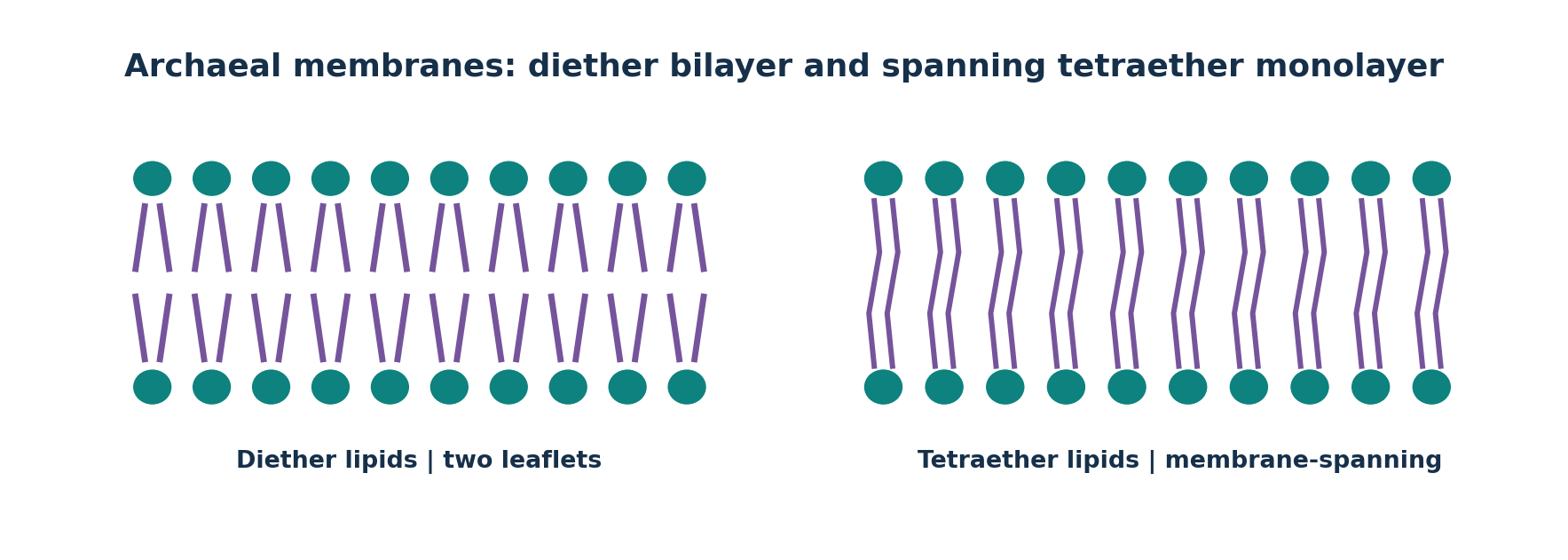
- Diether lipids can form a bilayer where the two leaflets meet
- Tetraether lipids span the membrane to create a monolayer-type membrane
- This contributes to stability and low permeability in thermophilic and acidophilic archaea
- Not every archaeon has only a tetraether monolayer
- Thermal stability of a membrane cannot be judged from structure alone, since proteins and internal environment also act
06
Sphingolipids are derivatives of sphingosine
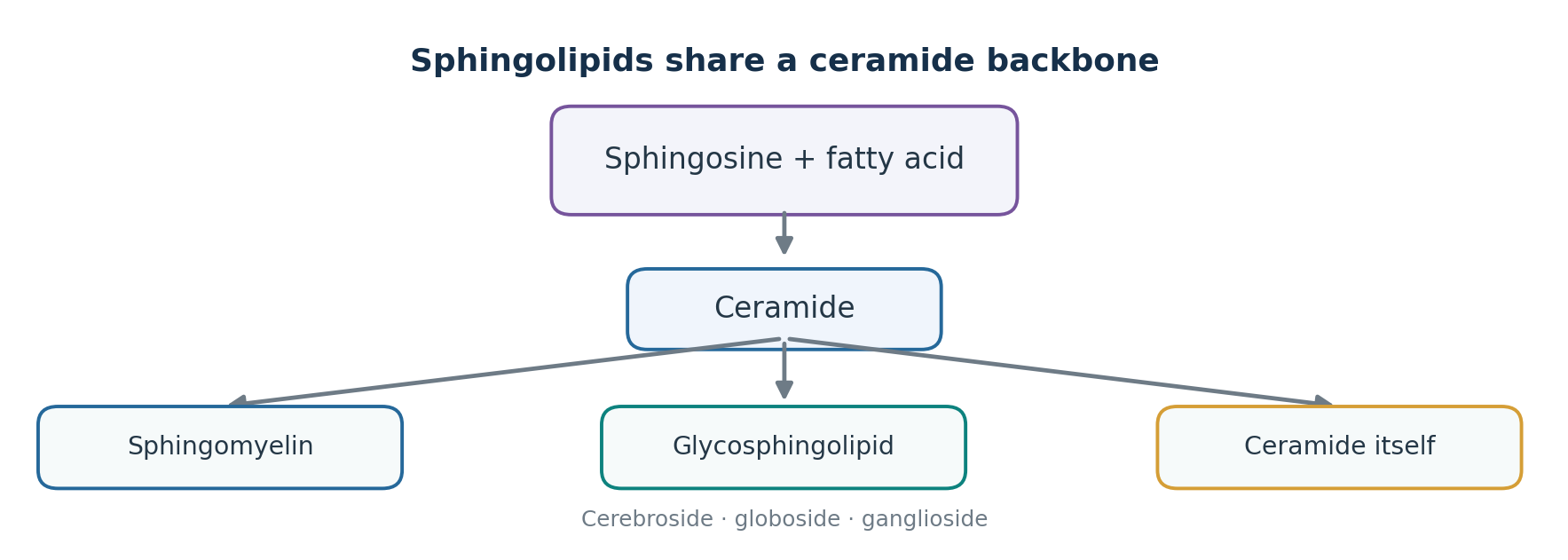
- The backbone is the long-chain amino alcohol sphingosine rather than glycerol
- A fatty acid joined to the amino group by an amide bond gives ceramide
- Adding different polar heads to ceramide yields the various sphingolipids
- Sphingomyelin is ceramide with phosphocholine, rarely phosphoethanolamine
- Its head resembles phosphatidylcholine but the backbone is sphingosine, not glycerol
- Glycosphingolipids carry sugars and include cerebroside, globoside and ganglioside classes
- Sphingomyelin counts as a phospholipid but not as a glycerophospholipid
- The two questions use different criteria, head group and backbone
07
Glycosphingolipid glycans are addresses for cell recognition
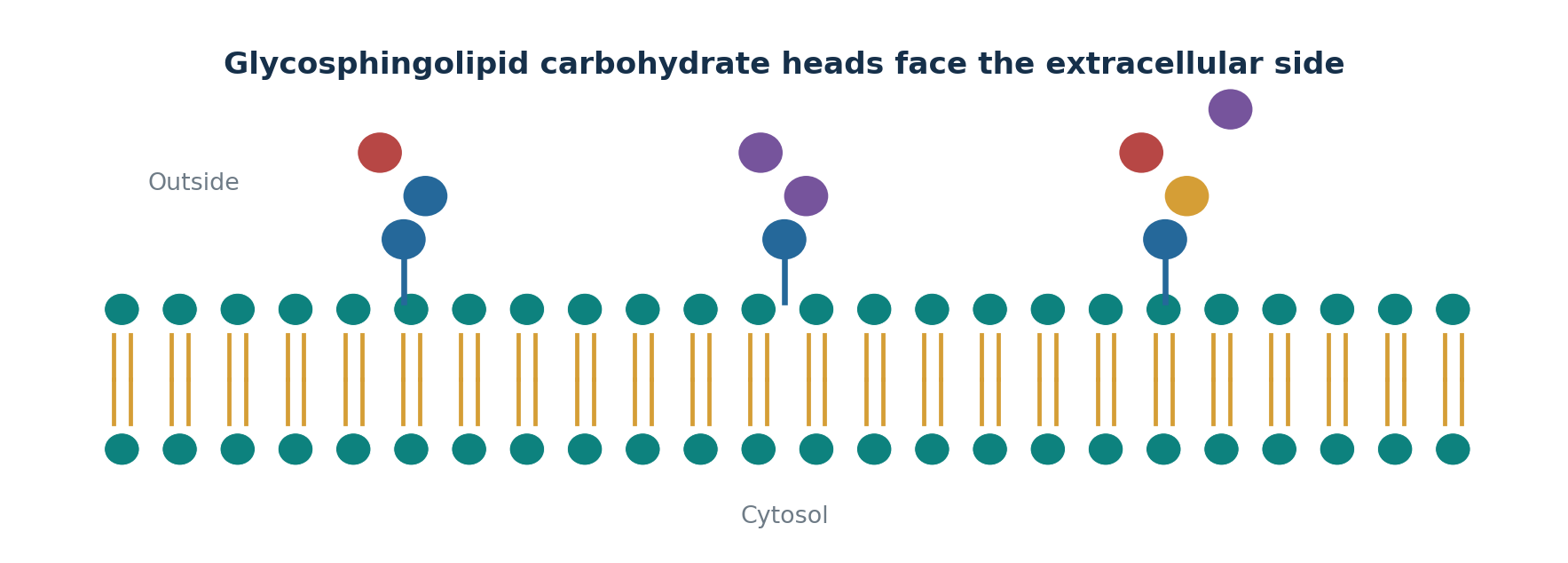
- The oligosaccharide heads of many glycosphingolipids face the outside of the membrane
- Glycan arrangement and sugar identity carry information for cell interaction, differentiation and pathogen or toxin binding
- Some gangliosides are binding targets for particular toxins and proteins
- Surface recognition also involves glycoproteins, receptors and protein complexes, not glycolipids alone
- ABO antigens reflect terminal glycan differences and occur on both glycolipids and glycoproteins
- The claim that ABO antigens consist only of glycosphingolipids is wrong
- The glycocalyx is built from several classes of glycoconjugate together
- GM1 is one target for the B subunit of cholera toxin, and recognition depends on glycan shape and exposure more than on a single sugar
08
Breakdown and recycling of phospholipids and sphingolipids
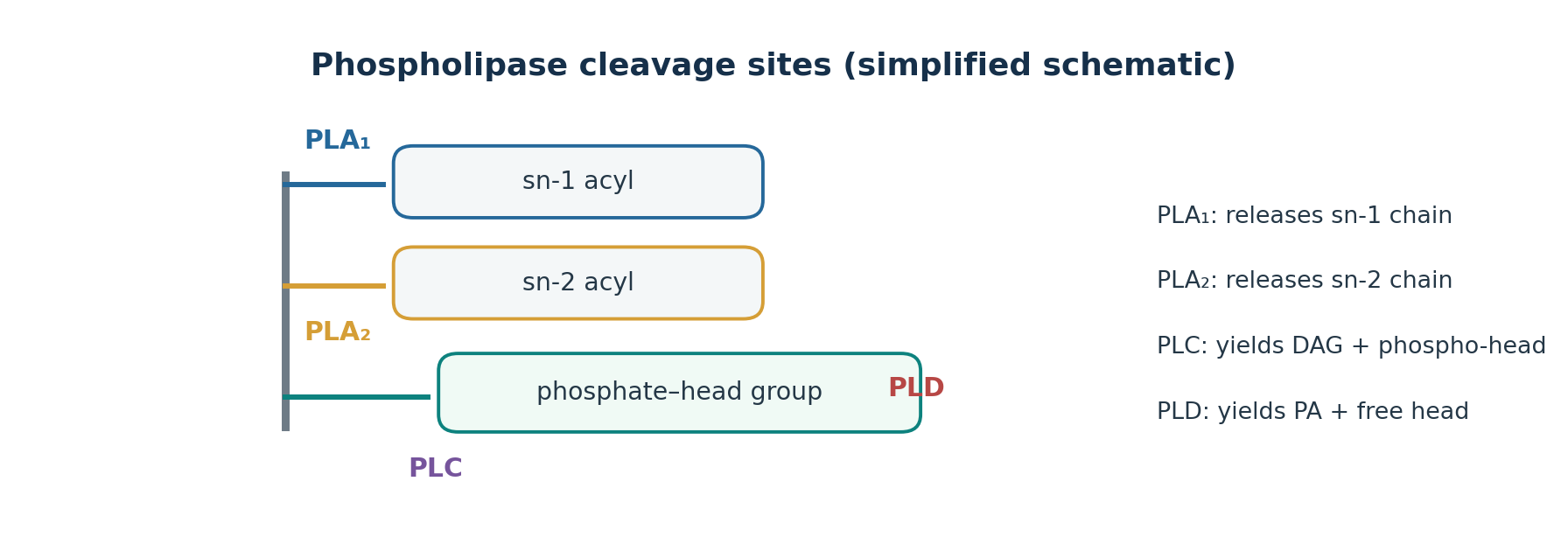
- Phospholipases are a family of enzymes that cleave different bonds in phospholipids
- PLA1 cleaves the sn-1 acyl chain and PLA2 the sn-2 chain, releasing a free fatty acid and a lysophospholipid
- PLC hydrolyses between glycerol and phosphate while PLD hydrolyses between phosphate and head group
- Cleavage of an sn-2 arachidonyl chain by PLA2 releases arachidonate as a signalling precursor
- Not every PLA2 substrate carries arachidonate at sn-2
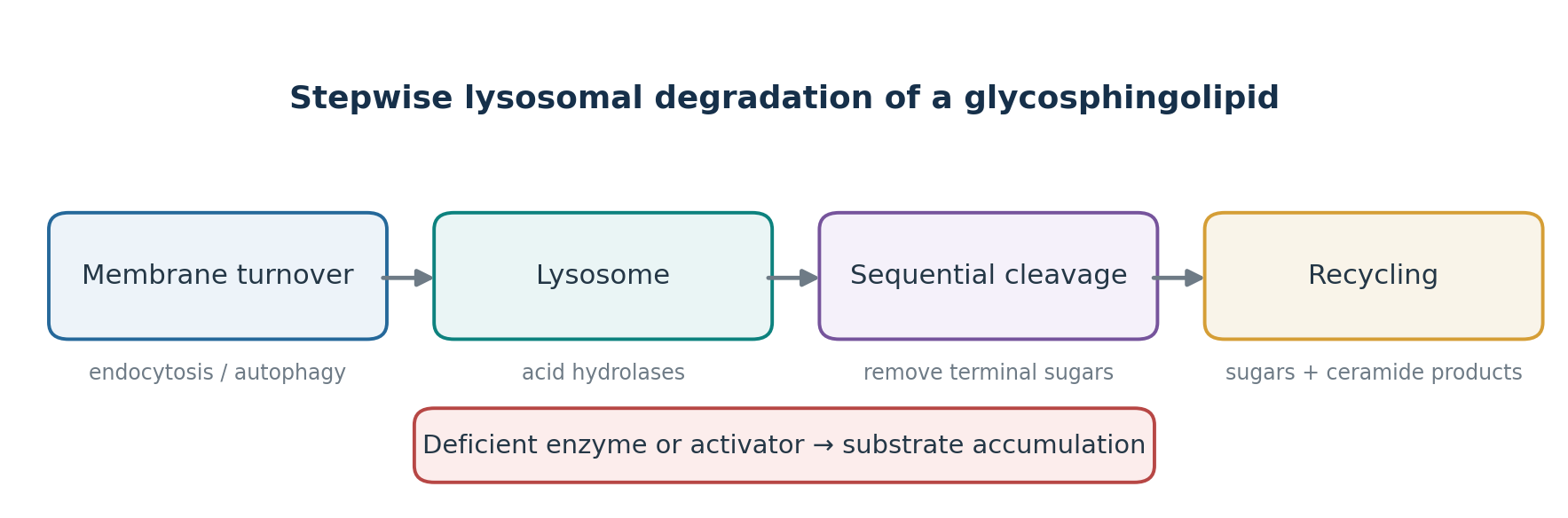
- Membrane components reach lysosomes through uptake, autophagy and membrane turnover
- In the acidic lysosome, hydrolases and accessory proteins break down lipids stepwise
- Complex glycosphingolipids lose sugar residues sequentially from the glycan end
- Loss of an enzyme or accessory protein causes a specific substrate to accumulate, determined by the blocked step
- The useful chain of reasoning is gene, then enzyme or transport function, then stored substrate, then cell damage
09
Sterols: four fused rings
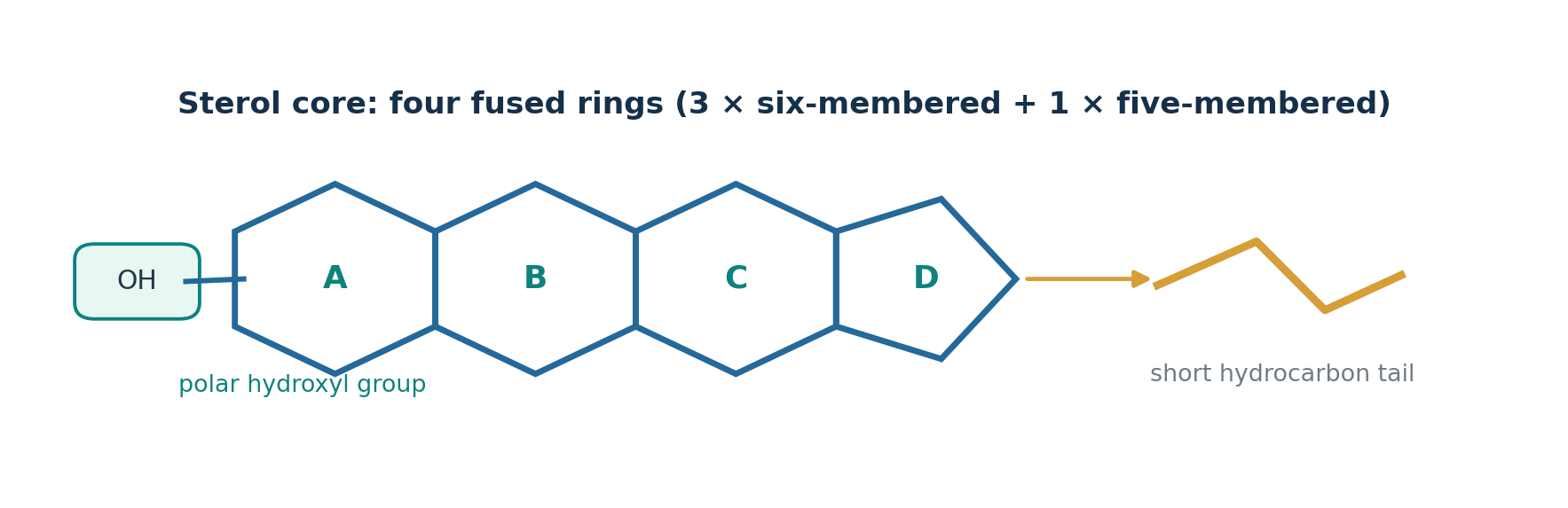
- A sterol has a common skeleton of three six-membered rings fused to one five-membered ring
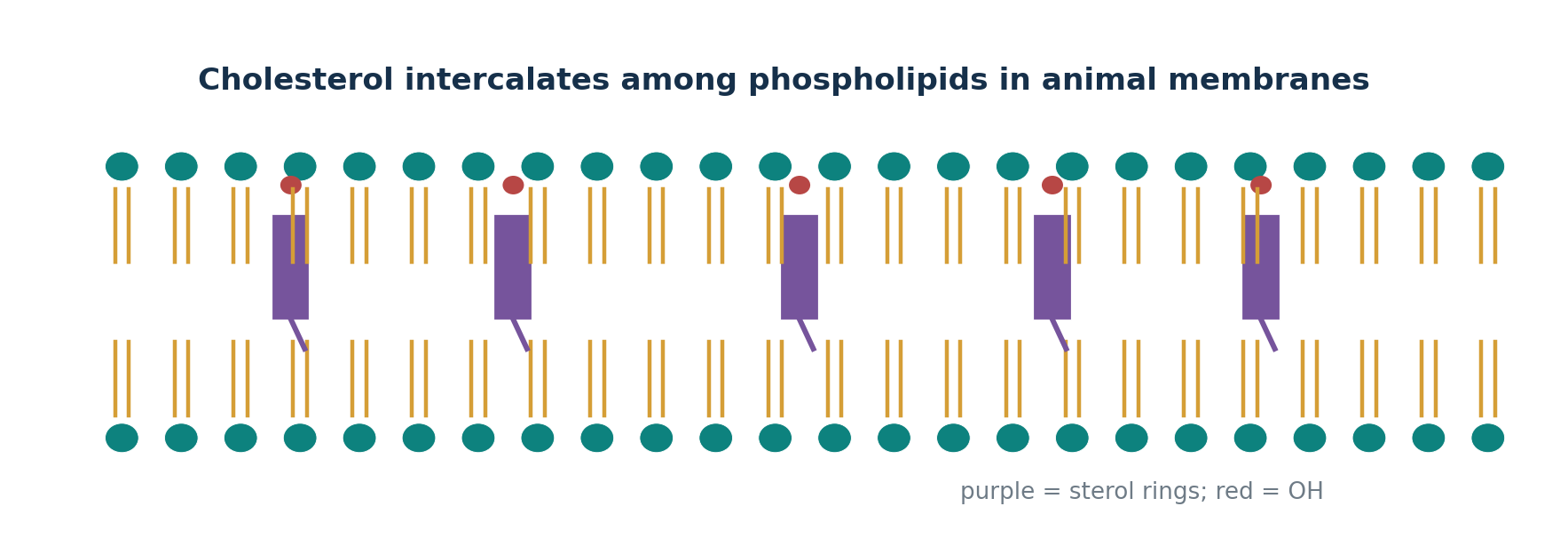
- Cholesterol is the main animal membrane sterol, with a small polar hydroxyl, a rigid ring system and a hydrocarbon tail
- The hydroxyl sits near phospholipid heads while the rest lies inside the membrane
- Cholesterol limits excessive fluidity at high temperature and hinders tight packing at low temperature
- It therefore buffers fluidity changes, though the claim that it always increases fluidity is wrong
- Animals use cholesterol, fungi ergosterol and plants phytosterols such as sitosterol and campesterol
- Most bacterial membranes lack sterols, with exceptions
- Mechanical behaviour depends on sterols together with chain composition and proteins
10
Why one membrane needs many lipids
- A membrane is not a homogeneous sheet of one substance but a structure built from head charges, saturation, curvature, sterols and proteins together
- The two leaflets generally differ in composition, and this asymmetry matters for signalling and function
- Phosphatidylserine is more abundant on the cytosolic leaflet of normal animal cells
- During apoptosis PS becomes exposed on the outer surface
- Under some conditions cholesterol- and sphingolipid-rich local regions form transiently as lipid rafts
- Rafts are a useful concept, though assuming fixed, stable islands of constant size in every membrane is an oversimplification
- The integrated logic runs from backbone to head charge and linkage, then to prediction of assembly, fluidity, recognition and breakdown, then to data
- Example: 1,600 phospholipids out of 2,000 total lipids is 80 mol percent, and 240 PS is 12 mol percent
- With PC and PE at zero and PS and PI at -1, the mean formal charge per lipid is (240 plus 200) over 2,000, or -0.22 e
References