01
Functional lipid classes and the basis of signalling
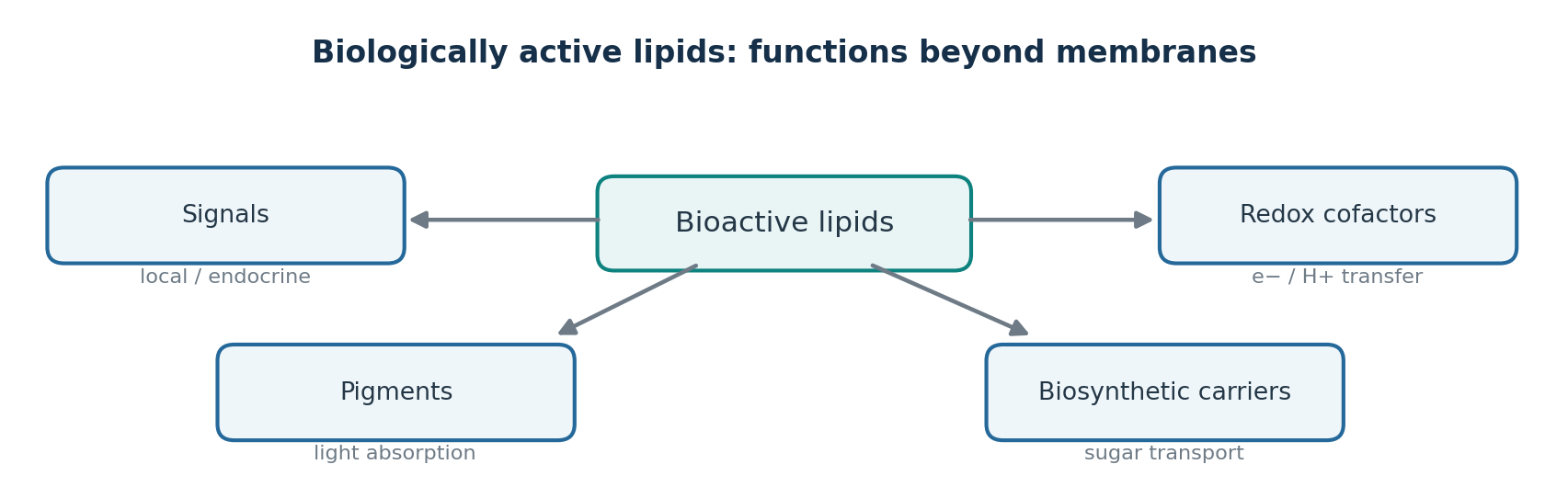
- Phospholipids and sphingolipids are both structural components and signalling precursors, so structure versus signal is not a clean division
- A small amount of PIP2 in the inner leaflet is converted into two second messengers on receptor stimulation
- Cholesterol modulates membrane properties and is also the starting material for steroid hormones
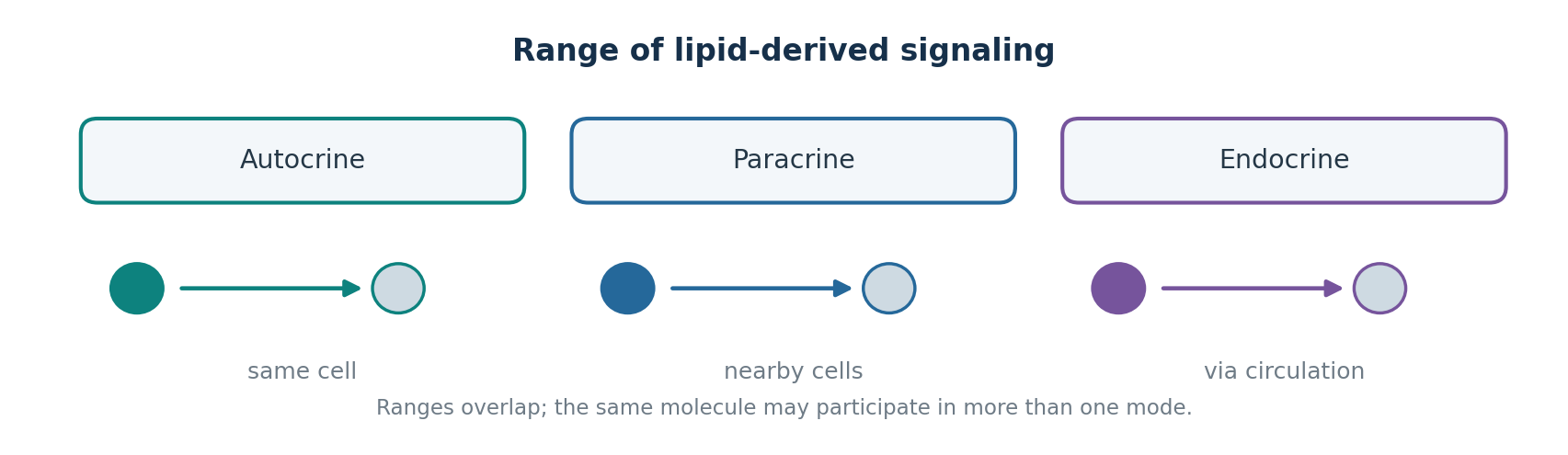
- A signal molecule acts according to where it is made, how far it travels and which receptor it meets
- Intracellular, autocrine, paracrine and endocrine actions are distinguished
- One molecule need not act in only one way
- The opening question, how water-insoluble lipids act quickly inside cells or travel in blood, is answered by their amphipathic structure, carriers, and enzyme and receptor locations
02
Phosphoinositides and intracellular second messengers
- PI is a membrane lipid with two acyl chains on glycerol and an inositol ring attached through phosphate
- Selective phosphorylation of inositol hydroxyls produces several phosphoinositides
- PI(4,5)P2 carries extra phosphates at positions 4 and 5, while PI(3,4,5)P3 adds one at position 3
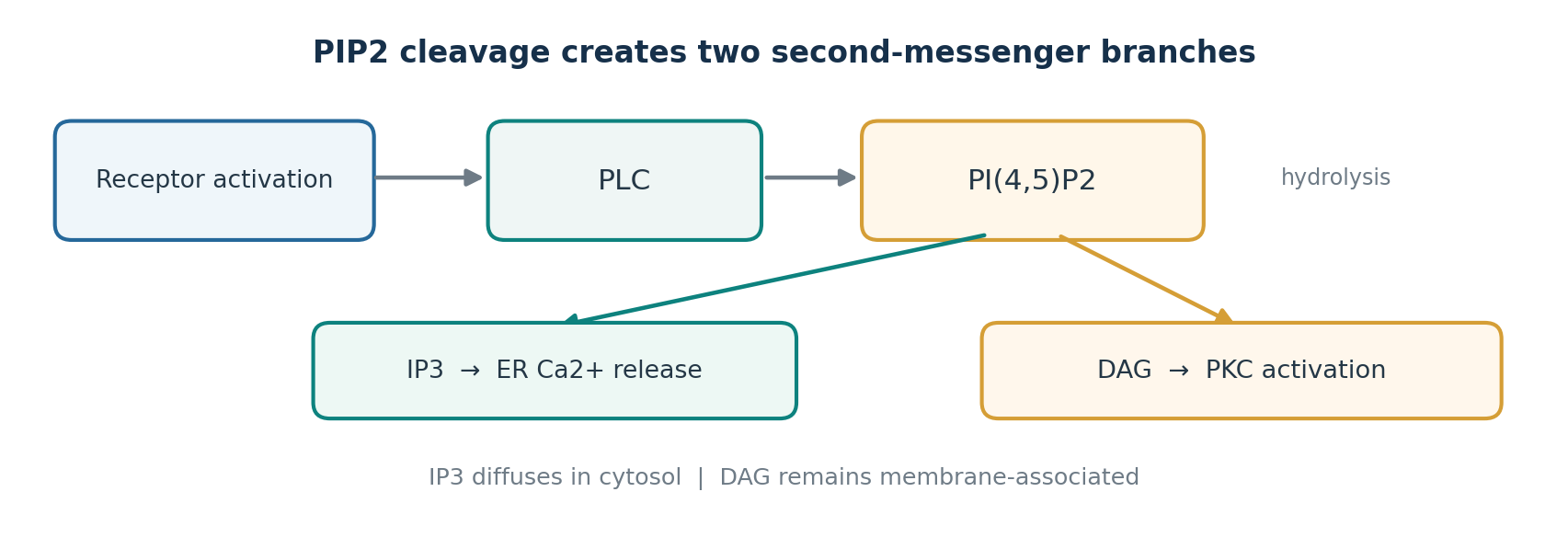
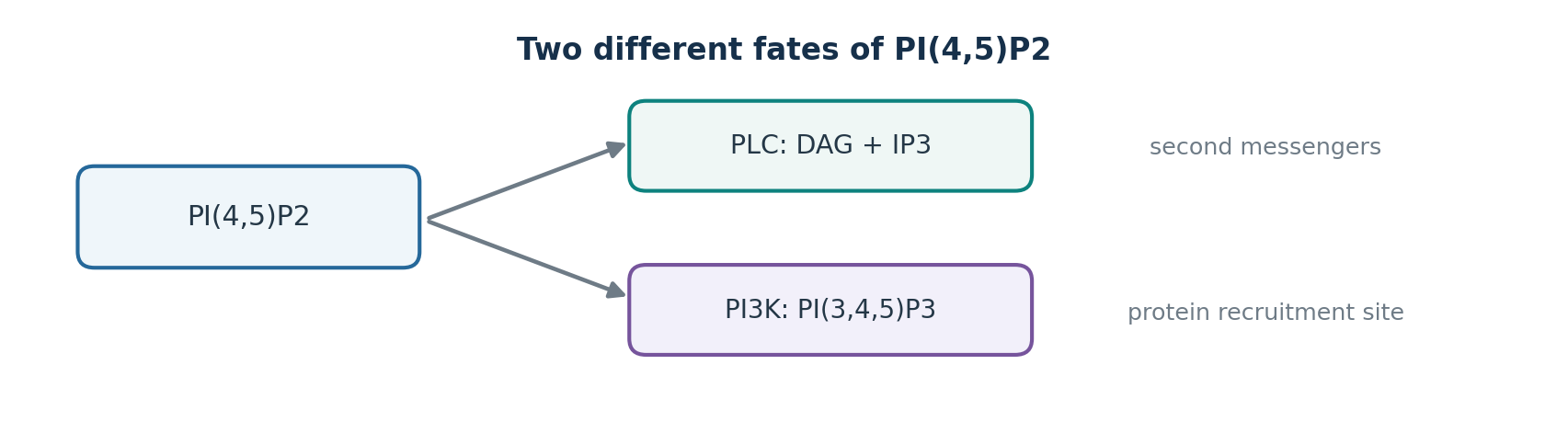
- On receptor activation PLC hydrolyses the phosphodiester bond of PI(4,5)P2 to give DAG and IP3
- DAG stays in the membrane through its hydrophobic chains while polar IP3 enters the cytosol and binds ER IP3 receptors
- Opening of the receptor channel releases stored Ca2+ from the ER
- IP3 does not become Ca2+, it triggers release of stored Ca2+
- DAG recruits and activates some PKC isoforms, and some also need Ca2+, so the two signals act together
- The representative equation is PI(4,5)P2 plus water giving DAG plus IP3 through PLC
- PI3K instead phosphorylates PI(4,5)P2 to PI(3,4,5)P3 and recruits PH-domain proteins, a different mechanism from PLC
03
Signalling by sphingosine derivatives
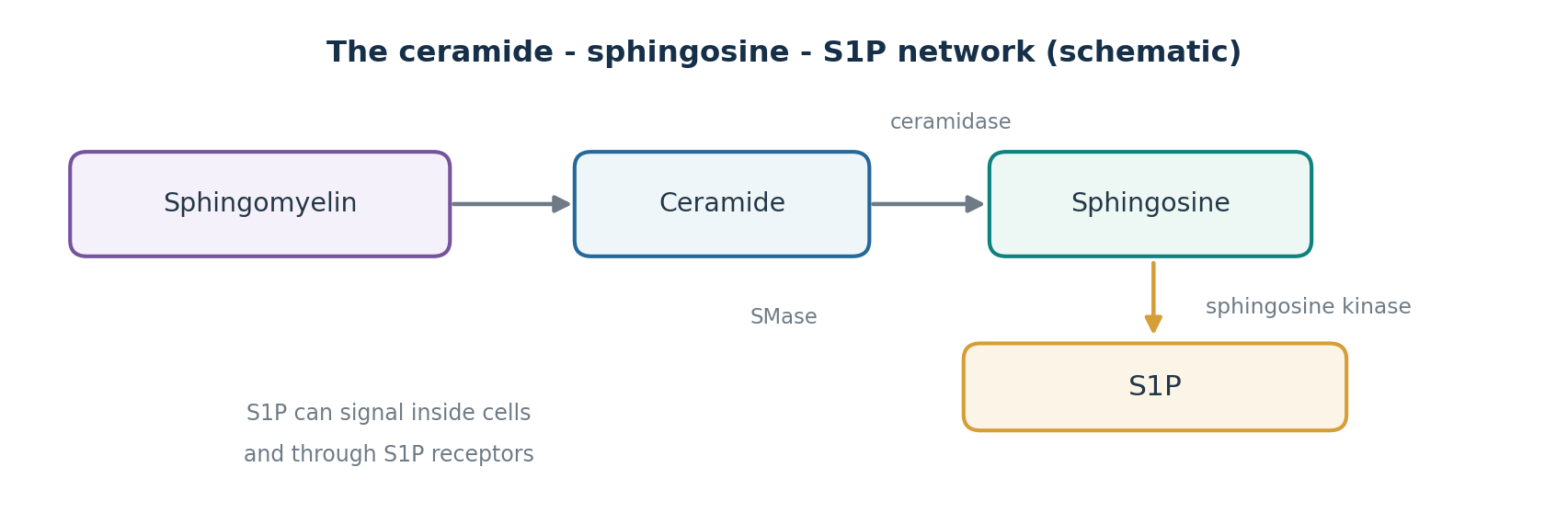
- Sphingomyelinase cleaves sphingomyelin to produce ceramide
- Ceramide links membrane structure to stress responses, cell growth and death pathways
- Ceramide increase does not automatically mean apoptosis, since cell type, molecular species and compartment matter
- Ceramidase removes the fatty acid to give sphingosine, and sphingosine kinase phosphorylates it to S1P
- S1P regulates intracellular proteins and also acts extracellularly at S1PR1 to S1PR5 receptors
- The pairing ceramide for death and S1P for survival simplifies research trends and is not a universal law
- A single concentration cannot fix cell fate, and chain length, double bonds and compartment also matter
04
Eicosanoids: lipid signals to nearby cells
- Eicosanoids are bioactive lipids derived mainly from 20-carbon polyunsaturated fatty acids
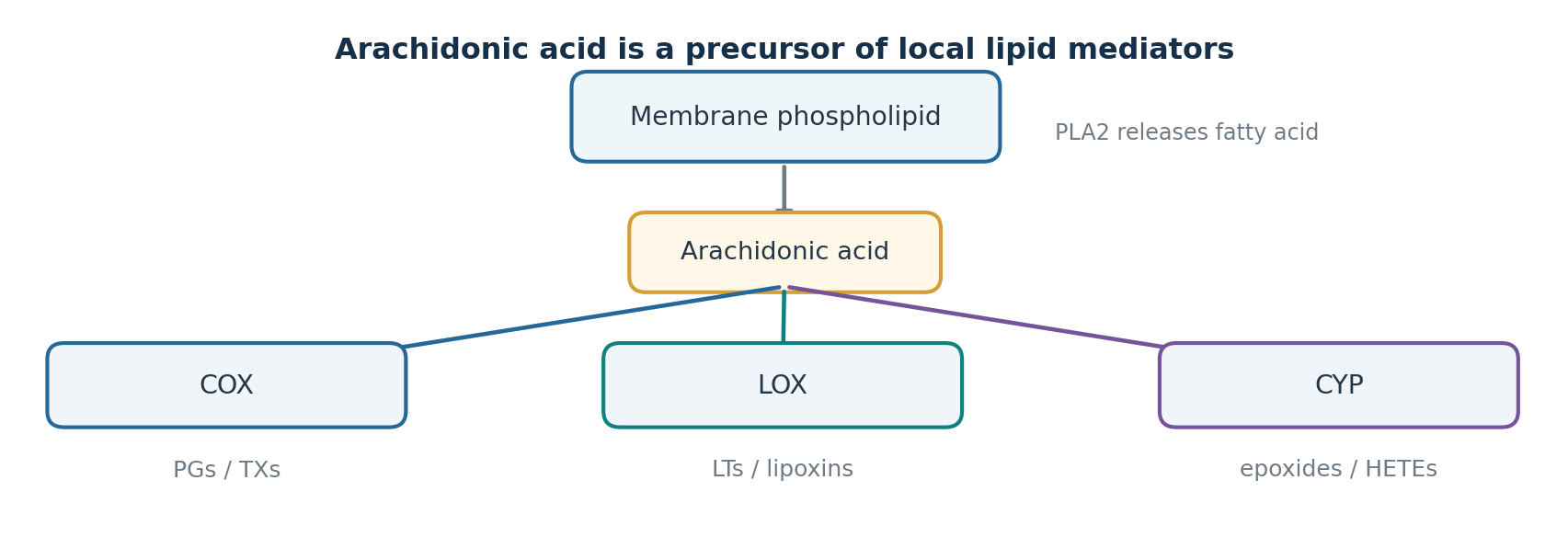
- The main precursor is arachidonic acid (20:4, n-6) esterified at the sn-2 position of membrane phospholipids
- PLA2 releases arachidonate, after which several enzyme routes can act
- Not all eicosanoids come from arachidonic acid
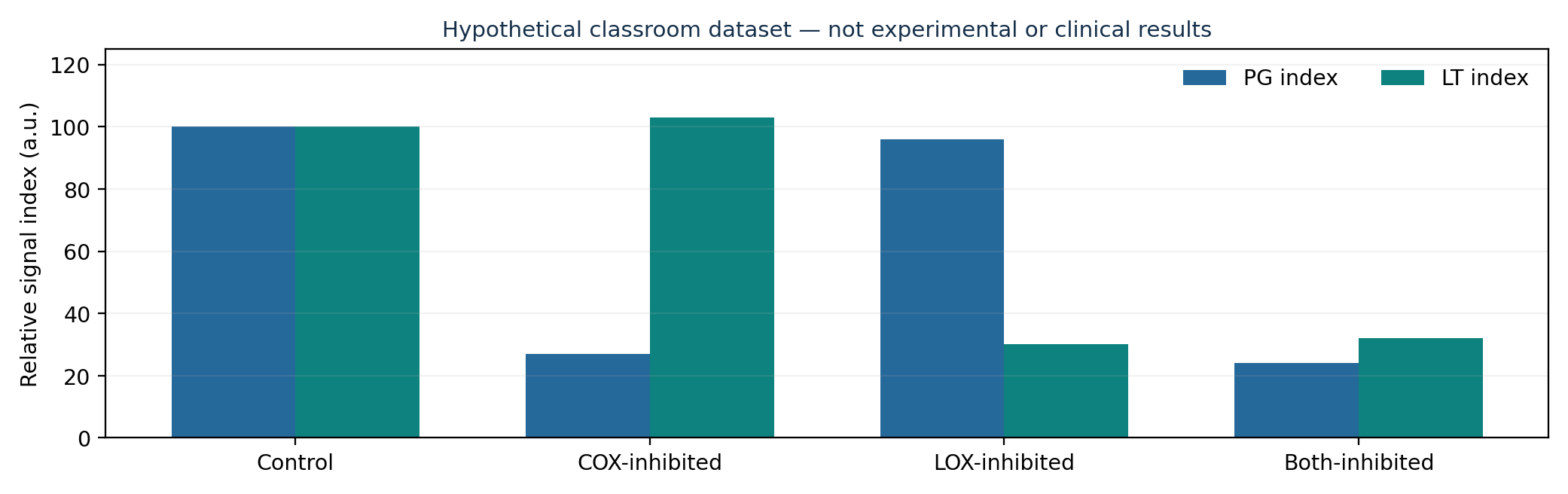
- The COX route forms precursors of prostaglandins and thromboxanes
- The LOX route forms leukotrienes, lipoxins and some oxygenated metabolites, while CYP enzymes form epoxides and related products
- The same precursor gives different product profiles depending on which enzymes a cell expresses
- Most are made rapidly on stimulation and inactivated quickly after receptor binding, so they act locally
- This differs from steroid hormones that circulate and act at steady concentrations over long periods
- Aspirin and ibuprofen both inhibit COX but differ in mechanism and duration, and COX inhibition does not remove every inflammatory signal
05
Steroid hormones carry information between tissues
- Steroid hormones derive from the fused four-ring skeleton of sterols
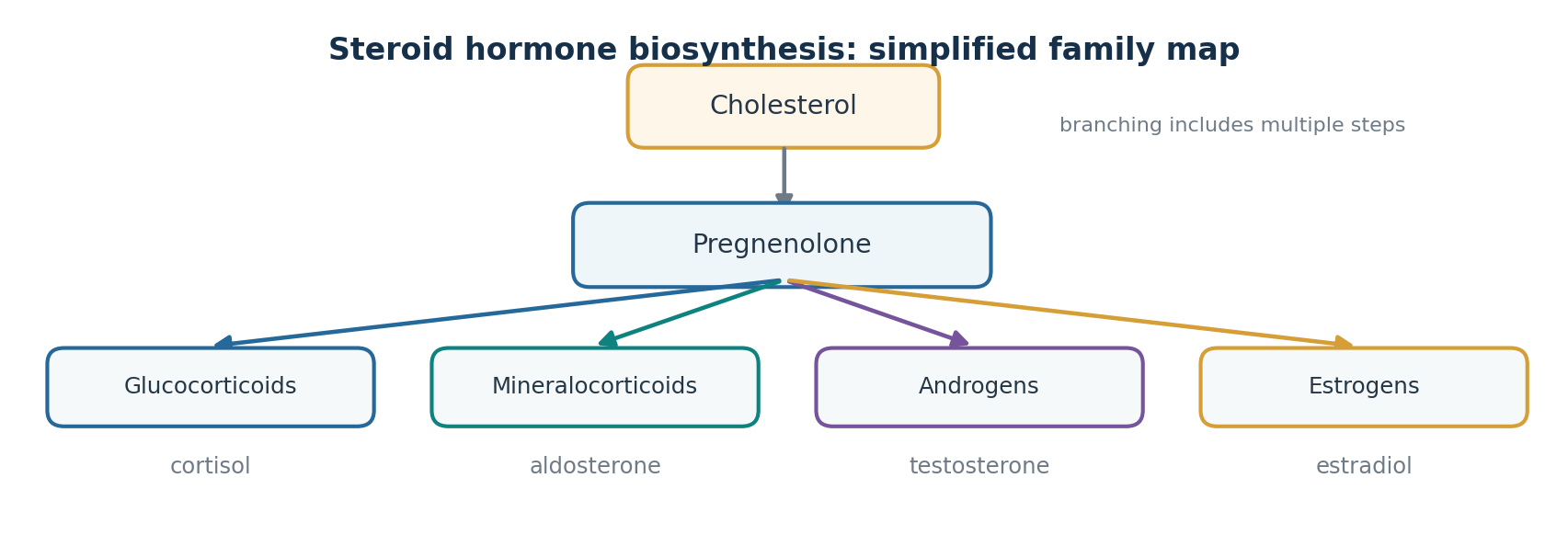
- The pathway starts as cholesterol forms pregnenolone and proceeds through many oxidation, reduction and hydroxylation enzymes
- Tissue-specific reactions produce glucocorticoids, mineralocorticoids, androgens and estrogens
- They are poorly soluble in water and travel largely bound to plasma proteins, while the free fraction and its equilibrium determine action
- Many bind intracellular nuclear receptors that regulate transcription through DNA control regions
- Some receptors move to the nucleus after hormone binding while others already reside there
- Rapid non-genomic effects also exist
- Cortisol, thyroid hormone from tyrosine and insulin as a peptide all act through blood, but differ in origin, synthesis and receptor mechanism
06
Volatile signals of vascular plants: chemical ecology
- Plants cannot move away but release chemicals that interact with pollinators, herbivores, their enemies and neighbouring plants
- Thousands of volatile organic compounds are known across the plant kingdom
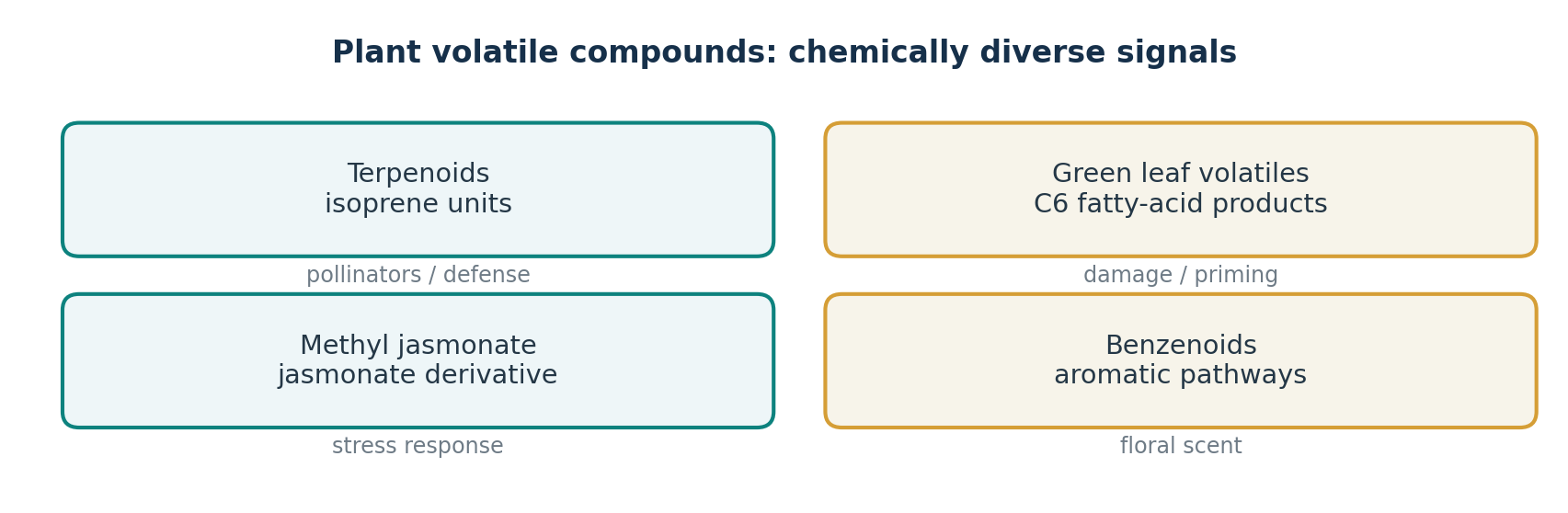
- Main classes are terpenoids from isoprene units, fatty-acid-derived green leaf volatiles and other aromatic or aliphatic compounds
- Wounded leaves rapidly make and release C6 aldehydes and alcohols from linoleic and linolenic acid
- Some volatiles attract pollinators or the enemies of herbivores and contribute to indirect defence
- Certain compounds prime the defence responses of neighbouring plants
- Not every released odour is read as a message, and signal versus cue is judged by evolutionary function and receiver response
- Effects depend on compound, concentration, mixture, wind, distance and species, so a stronger odour does not prove stronger defence
07
Vitamins A and D: from lipid precursors to active regulators
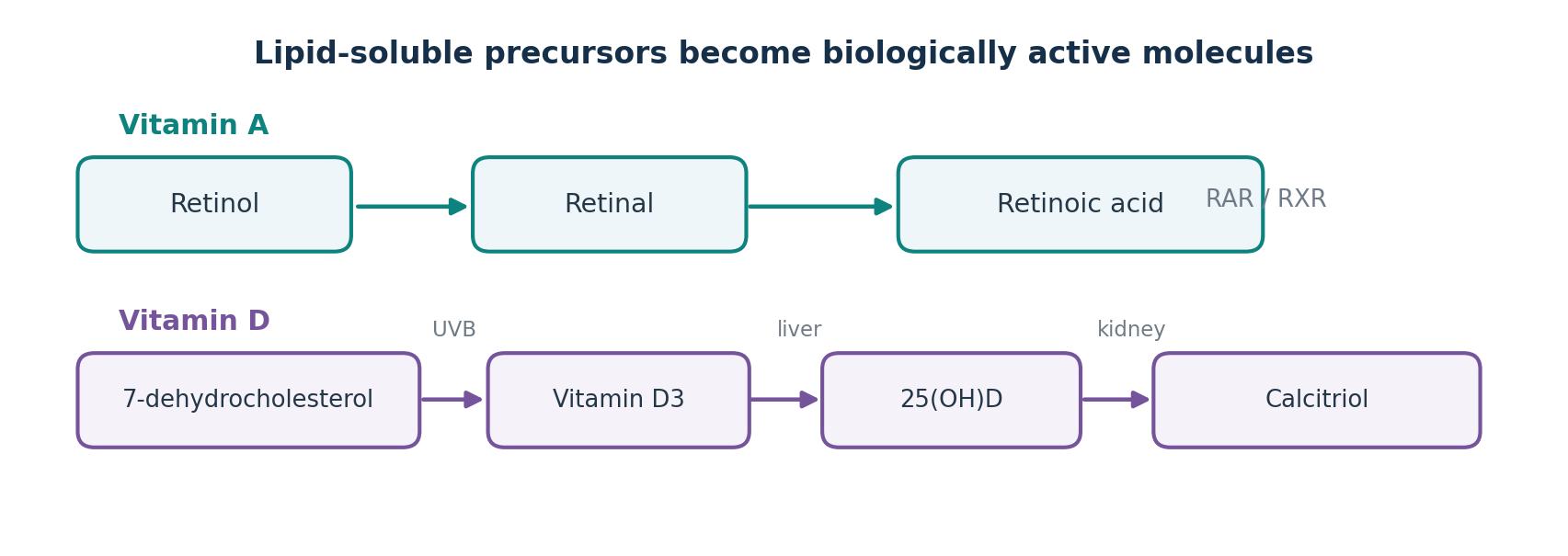
- Vitamin A is a nutritional concept covering retinol, retinal, retinoic acid and related retinoids
- Retinol oxidises to retinal and further oxidation gives retinoic acid
- Retinoic acid regulates transcription and cell differentiation through the RAR and RXR nuclear receptors
- Retinoic acid should not be assumed to convert easily back to retinol
- Retinal serves as the 11-cis chromophore of rhodopsin in rod cells, and photon absorption initiates isomerisation
- Transcriptional control by retinoic acid and light sensing by retinal use different mechanisms within the same vitamin A family
- UVB acting on 7-dehydrocholesterol gives vitamin D3 through a previtamin intermediate
- Both D2 and D3 need activation, mainly 25-hydroxylation in liver and 1-alpha-hydroxylation mainly in kidney
- Active 1,25-dihydroxyvitamin D, calcitriol, acts through VDR to control calcium and phosphate homeostasis and intestinal absorption
- Vitamin D is a secosteroid with one ring opened, and although A and D are both fat-soluble vitamins their active forms have distinct targets
08
Vitamins E and K, and lipid quinone redox roles
- Polyunsaturated chains are exposed to lipid peroxidation by reactive oxygen species
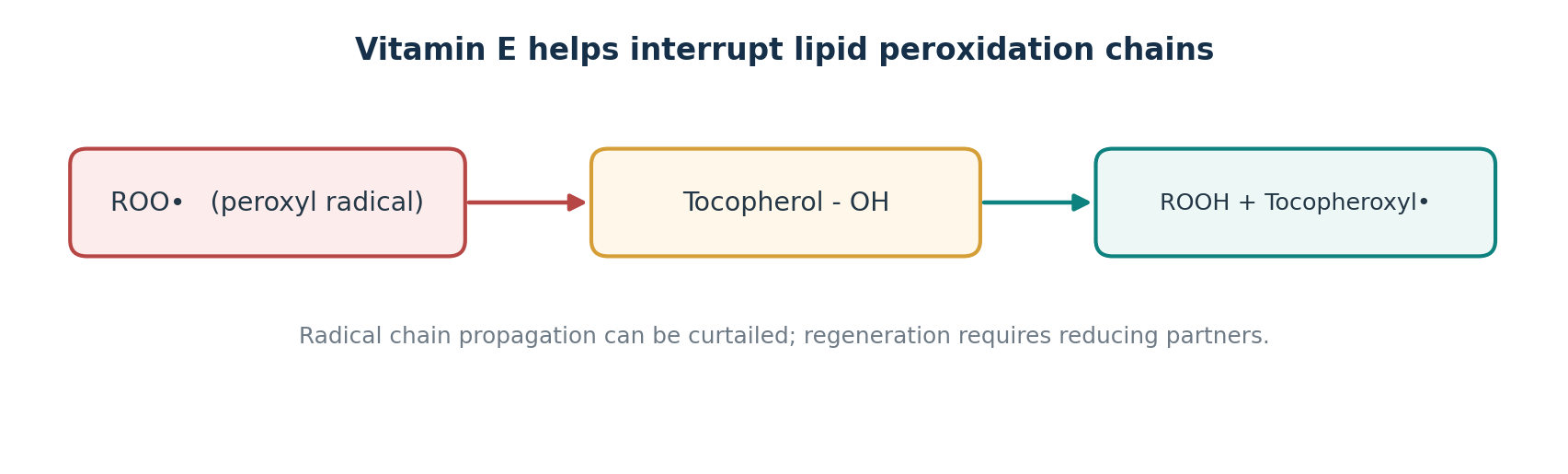
- A lipid radical reacting with oxygen forms a peroxyl radical and the chain continues
- Alpha-tocopherol acts as a lipid-soluble chain-breaking antioxidant, ROO plus tocopherol-OH giving ROOH plus tocopheroxyl radical
- The tocopheroxyl radical is regenerated by other reductants or undergoes further reaction
- Antioxidants are not themselves immune to oxidation, and giving up hydrogen is the essence of the protection
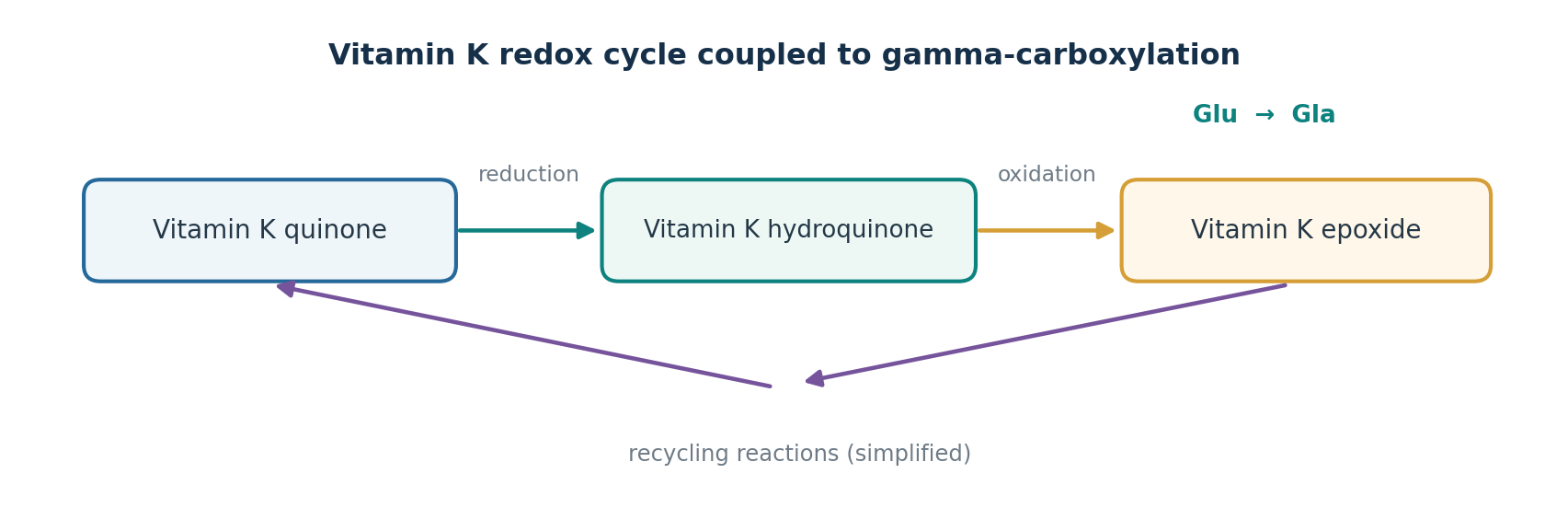
- Vitamin K is a quinone derivative required for converting glutamate residues to gamma-carboxyglutamate
- Gamma-glutamyl carboxylase uses reduced vitamin K, which is oxidised to the epoxide and regenerated by the VKOR cycle
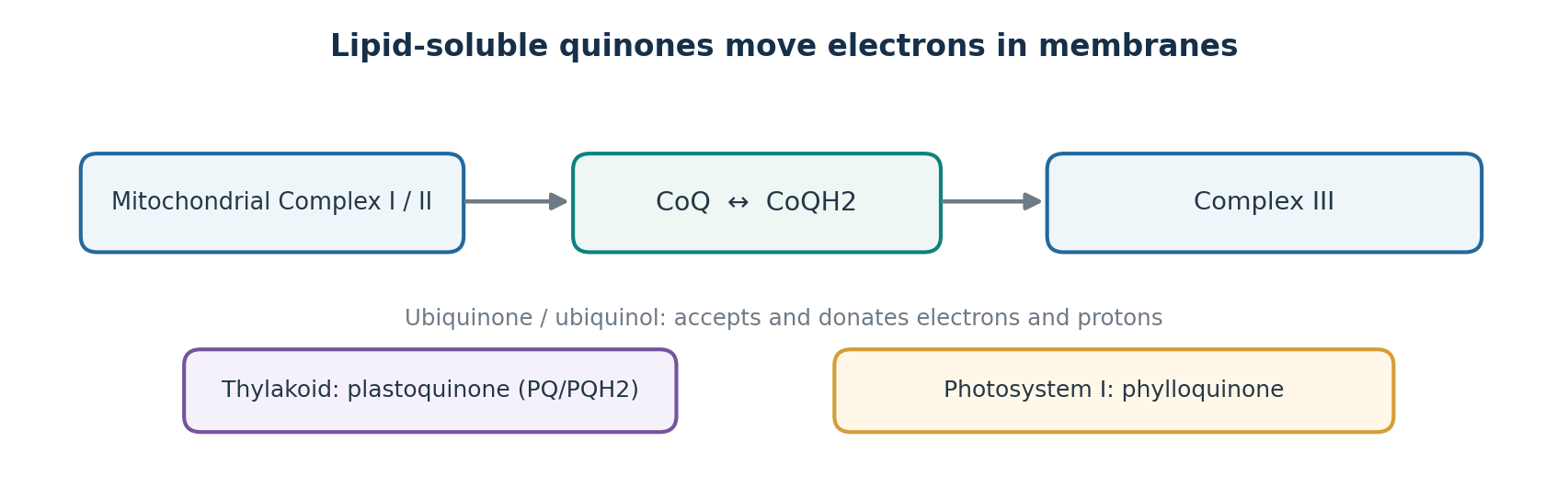
- Ubiquinone accepts electrons from complexes I and II, becomes ubiquinol and passes them on, following Q plus 2e- plus 2H+ in equilibrium with QH2
- Its long hydrophobic isoprenoid chain allows movement within the membrane
- Vitamin E, vitamin K and CoQ all take part in redox chemistry yet serve distinct roles in radical control, carboxylation and electron transport
09
Dolichol phosphate: a lipid carrier in protein glycosylation
- Dolichol is a long polyisoprenoid alcohol built from many isoprene units
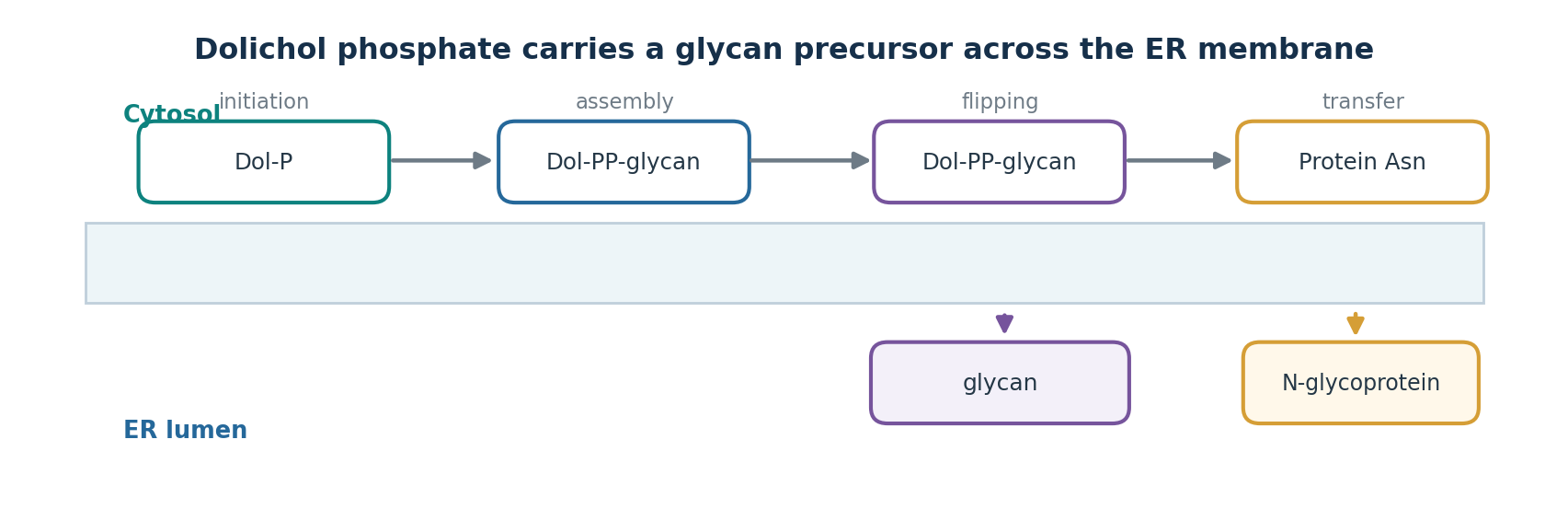
- Dolichol phosphate sits in the ER membrane and temporarily binds and moves sugar precursors or oligosaccharides
- It is central to N-linked glycosylation
- Assembly begins on the cytosolic face using Dol-P, building a Dol-PP-linked oligosaccharide precursor
- At a defined stage the precursor flips across the membrane and matures on the lumenal side
- Oligosaccharyltransferase transfers the assembled glycan to a specific asparagine of a nascent protein
- Monosaccharide carriers such as Dol-P-Man and Dol-P-Glc also participate
- Saying dolichol activates sugars means the lipid-linked precursor enables membrane reactions and transfer, not that dolichol oxidises the sugar
- Dolichol is a recycled carrier rather than a consumable, and membrane proteins and enzyme systems are needed for the flip
10
Lipid-soluble pigments and polyketides
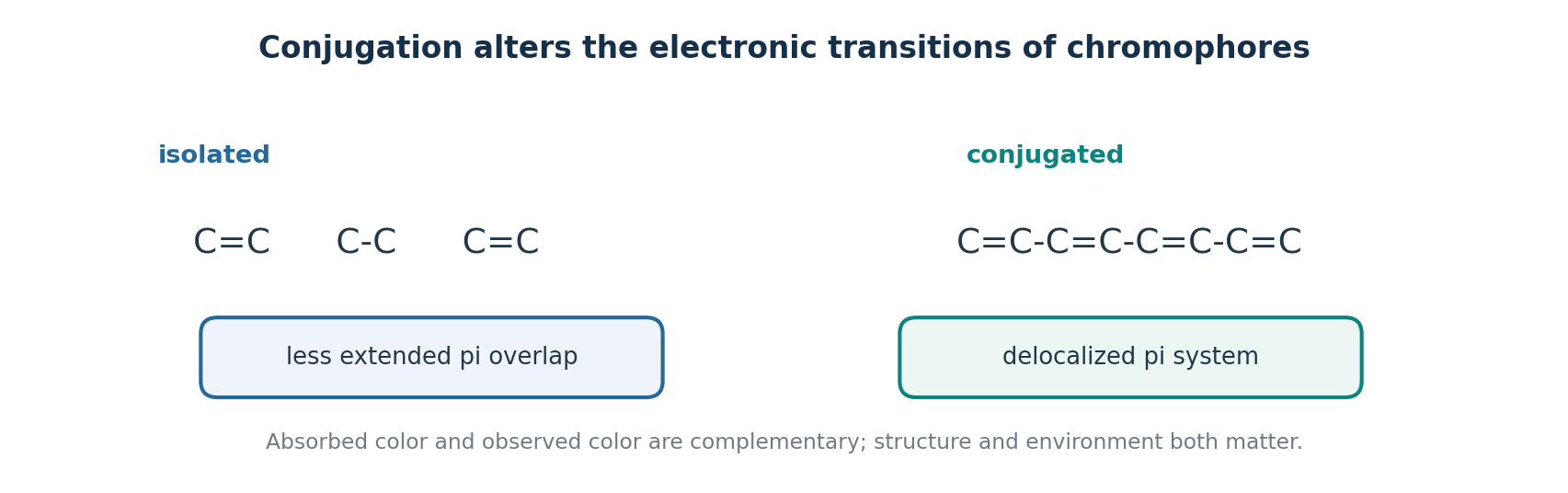
- In a conjugated pi system electrons are delocalised and longer conjugation tends to shift absorption to longer wavelengths
- From E = h nu = hc over lambda, longer wavelength means lower photon energy
- Carotenoids have a C40 terpenoid skeleton with a conjugated polyene and split into carotenes without oxygen and xanthophylls with oxygen
- Carotenoids contribute to light harvesting and protection against excess light in photosynthetic complexes
- Chlorophyll is a magnesium-centred tetrapyrrole pigment and is not a carotenoid
- Anthocyanins are water-soluble flavonoids and differ in structure and solubility from lipid-soluble polyenes
- Absorbance is log base ten of incident over transmitted intensity, and the Beer-Lambert relation holds under defined conditions
- Mixture absorbance reflects several components, scattering and instrument conditions, so colour alone cannot fix identity or concentration
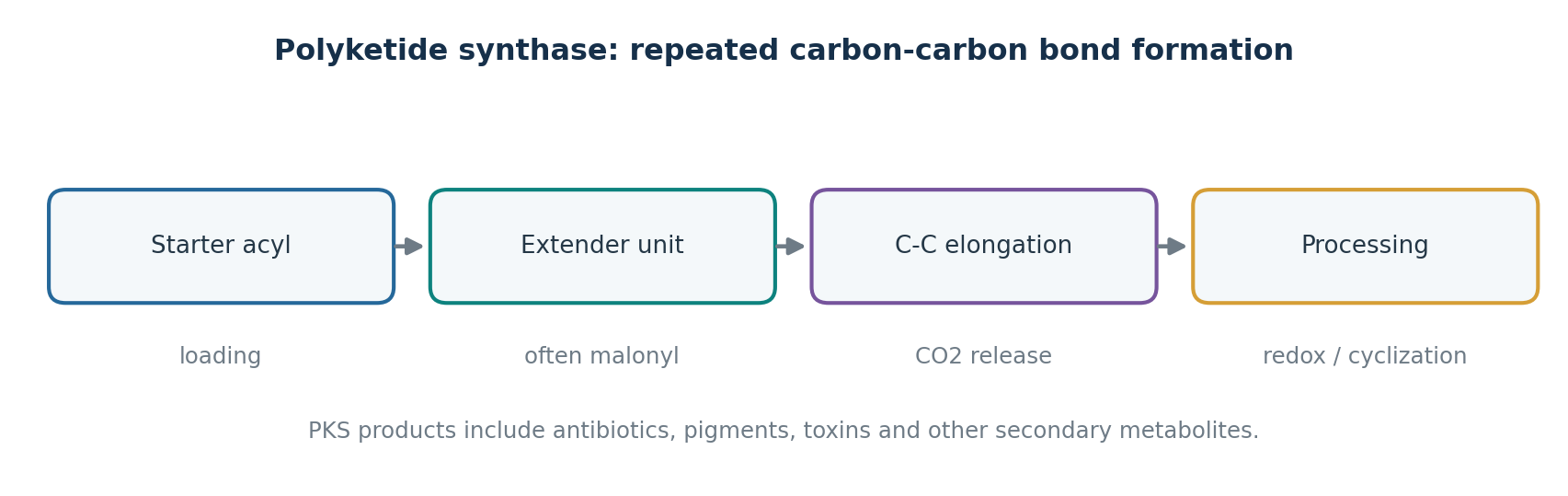
- Polyketides are natural products assembled by polyketide synthases from small acyl precursors with varied ketoreduction, dehydration, cyclisation and glycosylation
- Polyketide synthases are classified as multidomain type I, dissociated type II and chalcone-synthase-like type III, with erythromycin, tetracycline, doxorubicin and lovastatin as examples
- Fatty acid synthesis tends toward a reduced hydrocarbon chain, while polyketide synthases combine selective processing of beta-keto groups to give very different functions
References