01
Acylation and deacylation in chymotrypsin
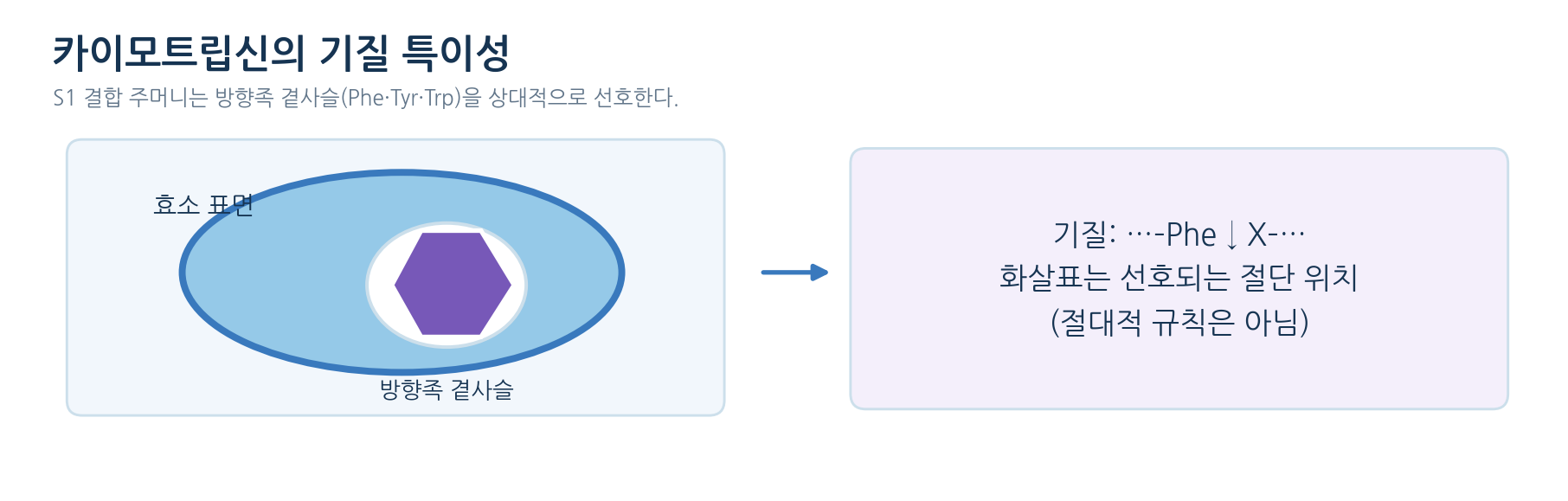
- A serine protease preferring peptide bonds on the carboxyl side of Phe, Tyr and Trp, with a hydrophobic S1 pocket for selectivity
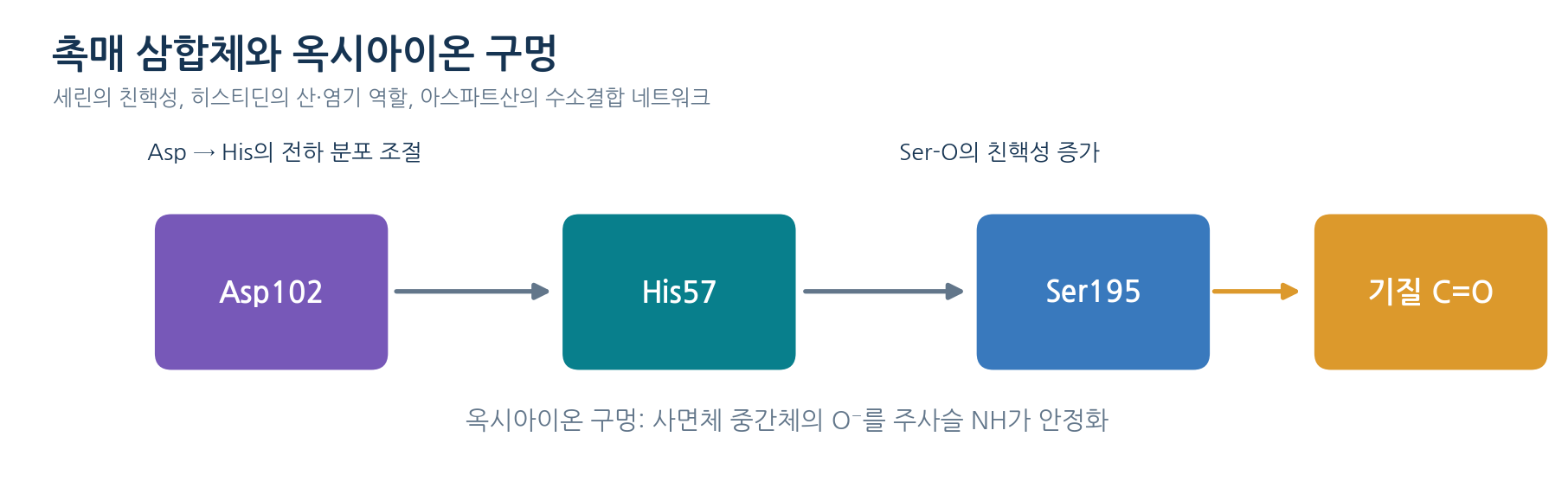
- Catalytic triad Ser195-His57-Asp102: His57 acts as general acid and base, Asp102 sets charge and orientation, Ser195 attacks nucleophilically
- The oxyanion hole formed by backbone NH groups stabilises the negative charge of the tetrahedral intermediate
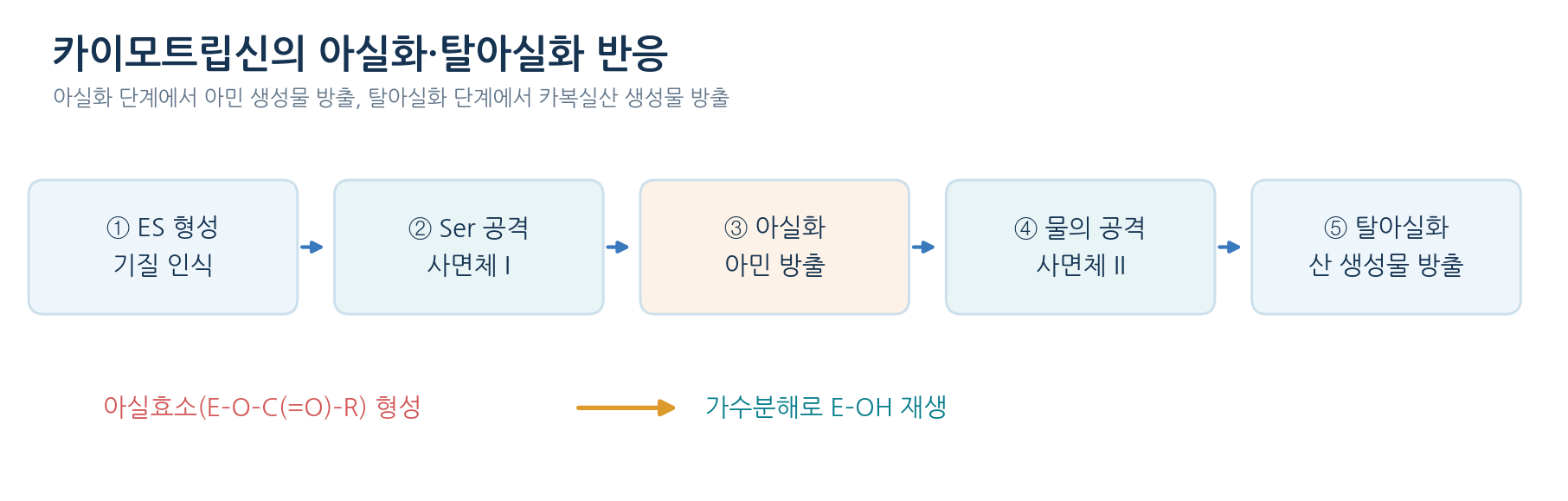
- Acylation: first tetrahedral intermediate, peptide cleavage and amine departure, then the acyl-enzyme
- Deacylation: water attacks the acyl-enzyme, a second tetrahedral intermediate collapses, acid product leaves and free enzyme returns
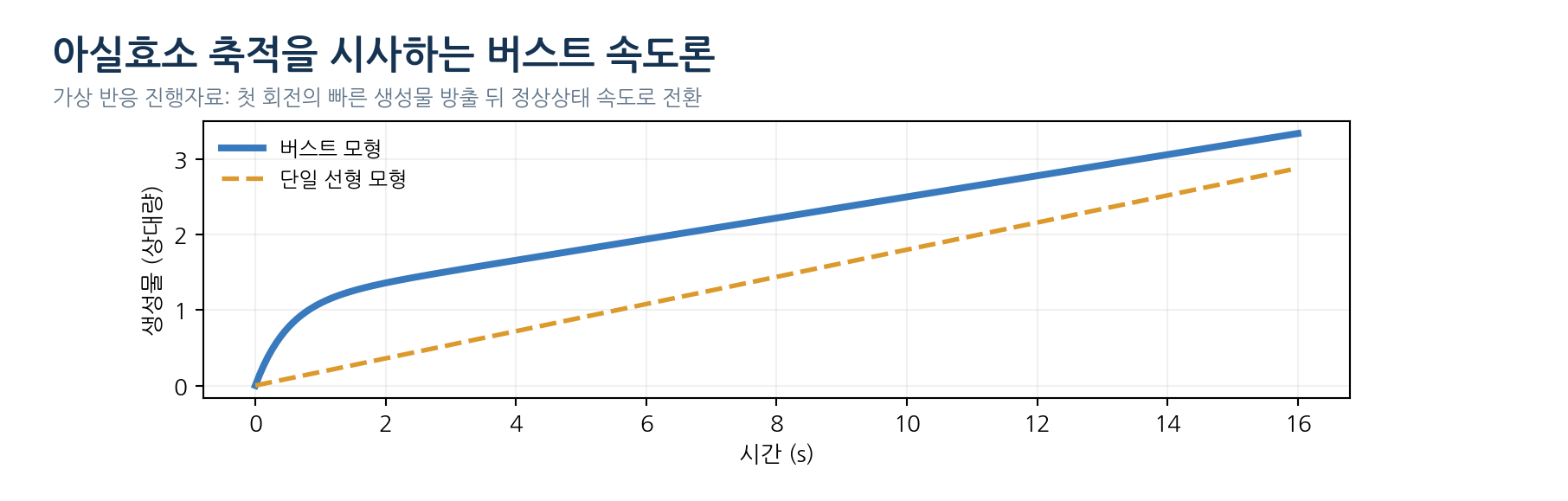
- A burst followed by a slow steady state with ester substrates suggests but does not prove rate-limiting deacylation
02
HIV protease and mechanism-based drugs
- An aspartic protease that cleaves Gag and Gag-Pol polyproteins to allow viral maturation
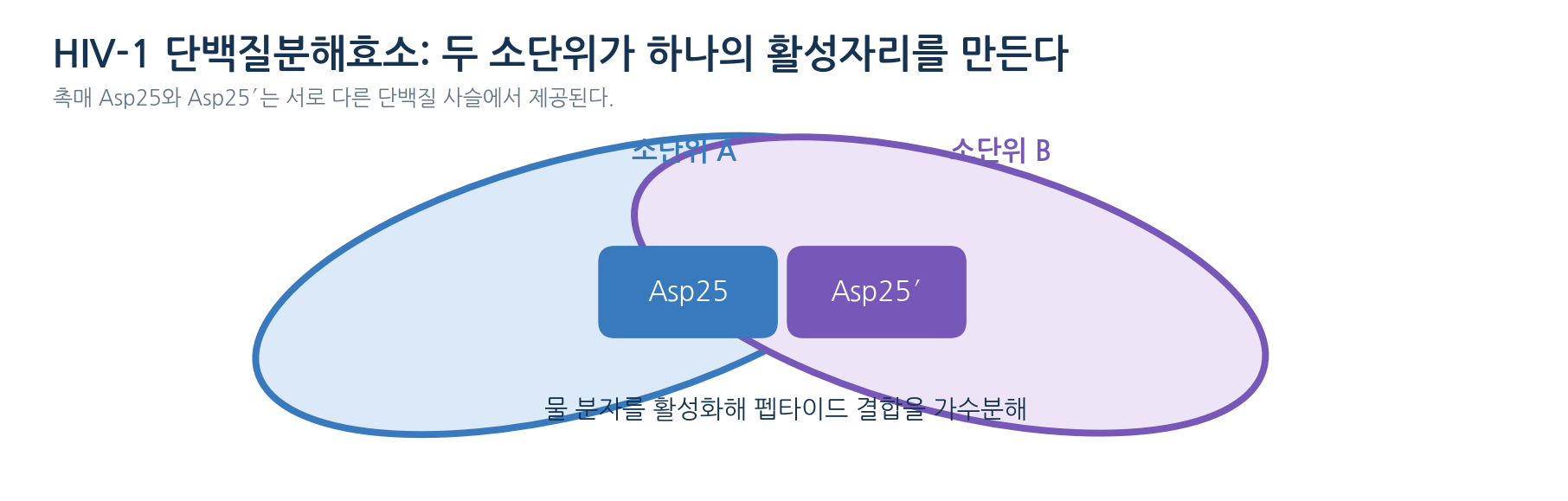
- A symmetric dimer whose Asp25 and Asp25-prime form the catalytic apparatus, using water as nucleophile rather than a serine acyl-enzyme
- Inhibitors mimic the high-energy state of cleavage with a non-cleavable structure that binds the active site tightly
- Blocked polyprotein processing lowers the infectivity of new particles, combination therapy matters and the drugs do not eliminate HIV
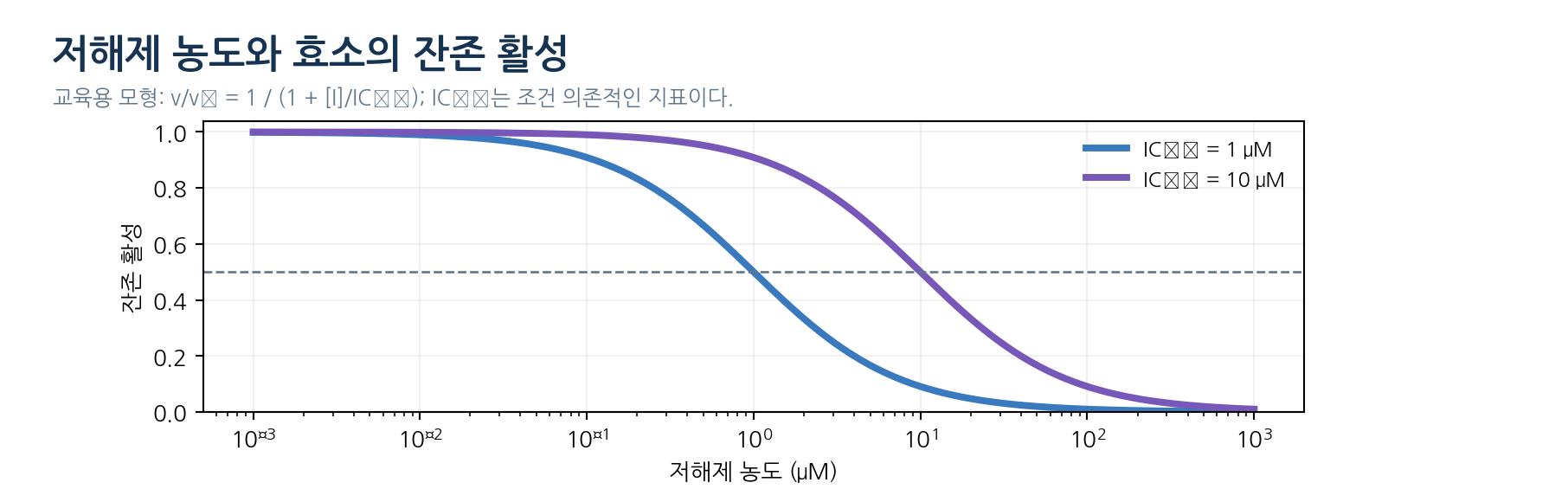
- IC50, the concentration giving 50 percent inhibition under defined conditions, is not automatically equal to Ki
- Example: IC50 2.0 micromolar with inhibitor at 6.0 micromolar gives v/v0 = 1/(1+3) = 0.25, so 25 percent activity remains
03
Substrate binding and induced fit in hexokinase
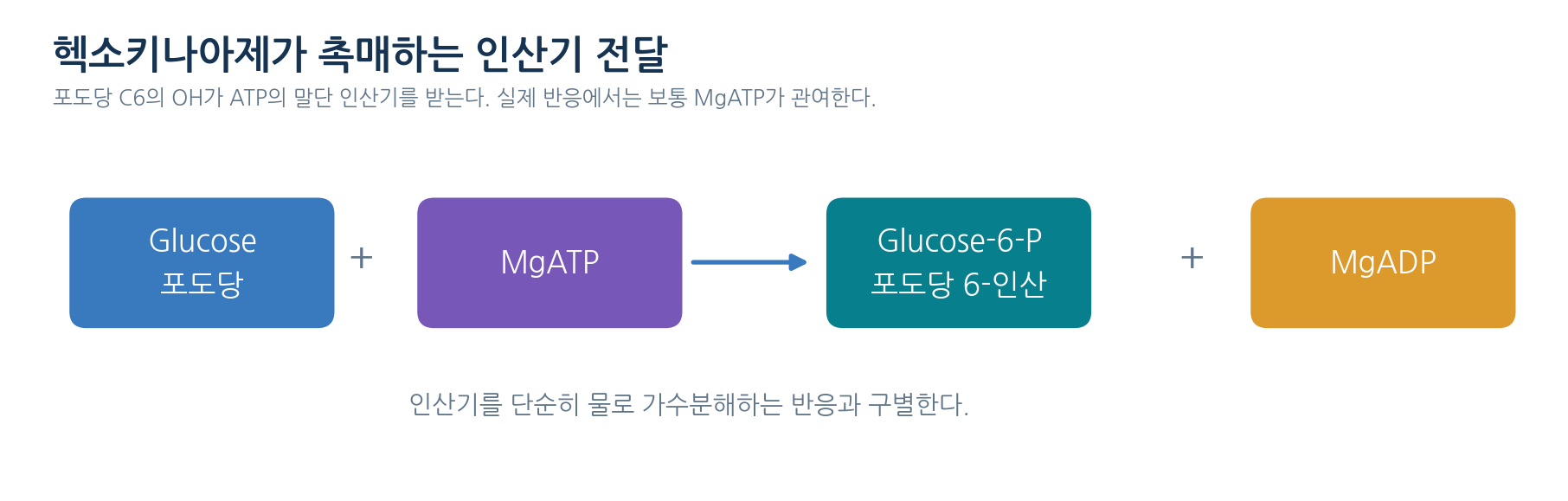
- Phosphorylation at carbon 6 of glucose, with MgATP as the usual phosphate donor
- Glucose binding narrows the cleft between two domains, aligns the substrate and limits water access, suppressing wasteful ATP hydrolysis
- About 12 degrees of domain rotation on glucose binding was reported for yeast hexokinase
- Induced fit emphasises flexible structural change, but selectivity also depends on affinity, active-site chemistry and the energy landscape
- Observing a structural change does not by itself quantify the catalytic effect of a step
04
Metal ion catalysis in enolase
- A reversible dehydratase (EC 4.2.1.11) that removes water from 2-phosphoglycerate to give phosphoenolpyruvate
- Pyruvate kinase uses the PEP phosphate to make ATP in the next step, but the essence here is dehydration rather than ATP synthesis
- Mg2+ coordinates substrate oxygens and stabilises the anionic intermediate while active-site residues assist proton transfer
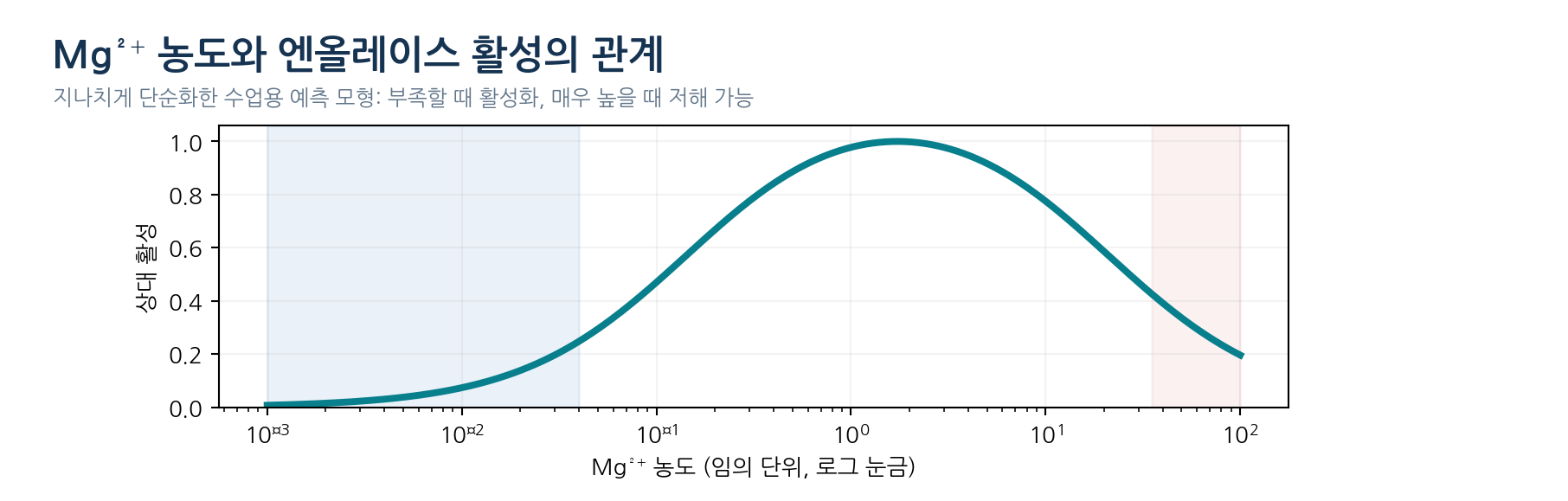
- Too little Mg2+ limits activity, and very high levels can lower it through extra binding or hindered product release
- Records must state the metal species, free Mg2+ concentration, pH and substrate concentration
05
Glycosidic cleavage by lysozyme
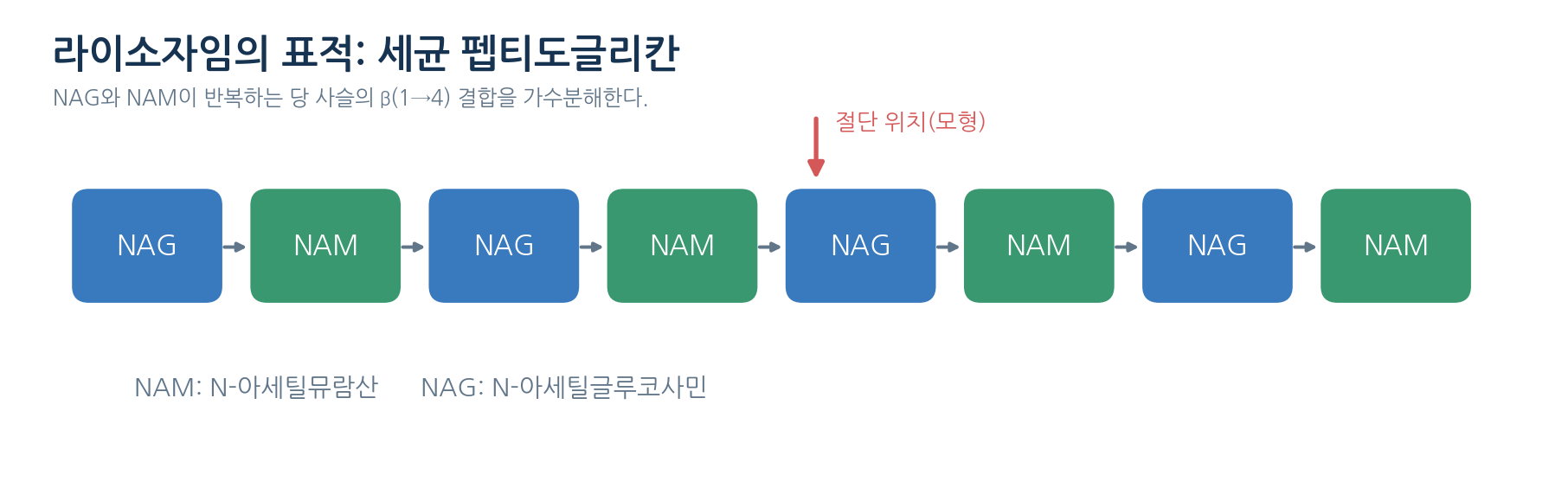
- Found in tears, saliva and egg white, hydrolysing the beta(1-4) glycosidic bond between NAM and NAG in peptidoglycan
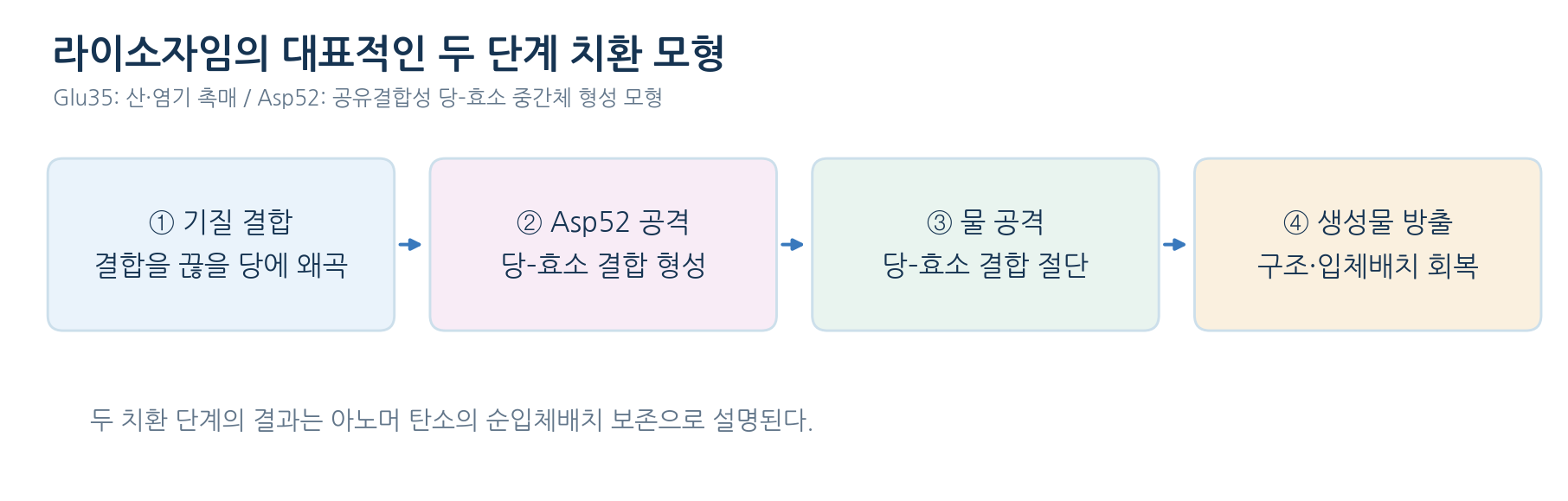
- In hen egg-white lysozyme Glu35 acts as acid and base while Asp52 stabilises charge or forms a covalent intermediate
- The standard model is two successive nucleophilic substitutions, with a sugar-enzyme intermediate formed first and then broken by water
- That route explains retention of configuration at the anomeric carbon, though an ideal SN2 transition state is not established for every step
- Reports of a covalent intermediate coexist with objections from hydrogen-bond networks, so textbook arrows must be separated from evidence
06
Mechanistic insight and antibiotic development
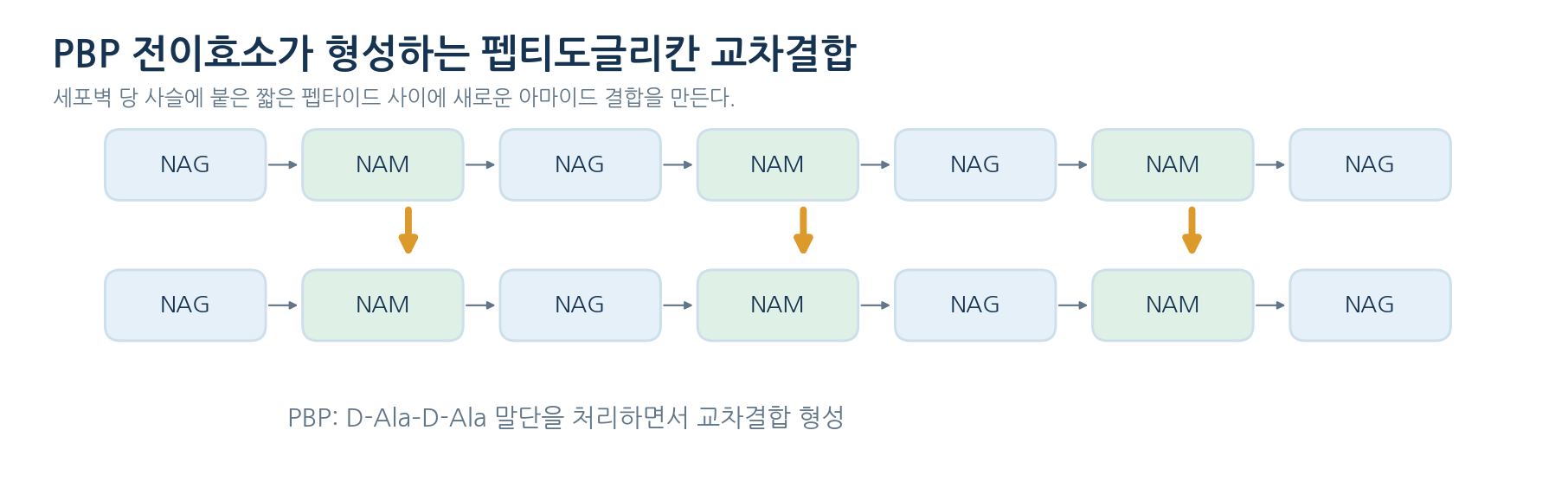
- Penicillin-binding proteins are the peptidoglycan cross-linking enzymes, with a serine transpeptidase acting on the D-Ala-D-Ala end
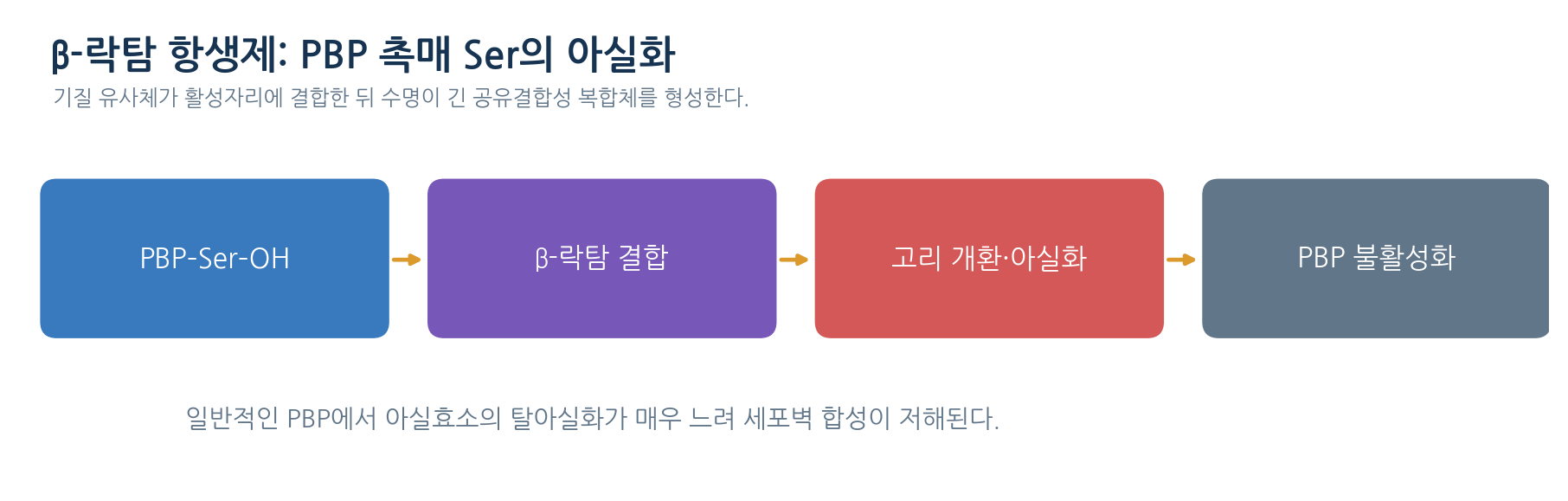
- Beta-lactams react with the active-site Ser of PBPs to form a long-lived acyl-enzyme that blocks the normal cycle
- Resistance can arise from beta-lactamase hydrolysis, altered target PBPs, changed membrane permeability or drug efflux
- Tight binding alone does not make a good drug, since access, selectivity, toxicity, metabolic stability and resistance all matter
07
Synthesis across the six mechanisms
- Shared features: the active site aligns substrate, stabilises the transition state selectively and regenerates after each cycle
- The nucleophile differs: serine hydroxyl in chymotrypsin and PBPs, catalytic water in HIV protease, metal-assisted water in enolase
- Presence or absence of an acyl-enzyme step is a key discriminator, though sharing it does not make mechanisms identical
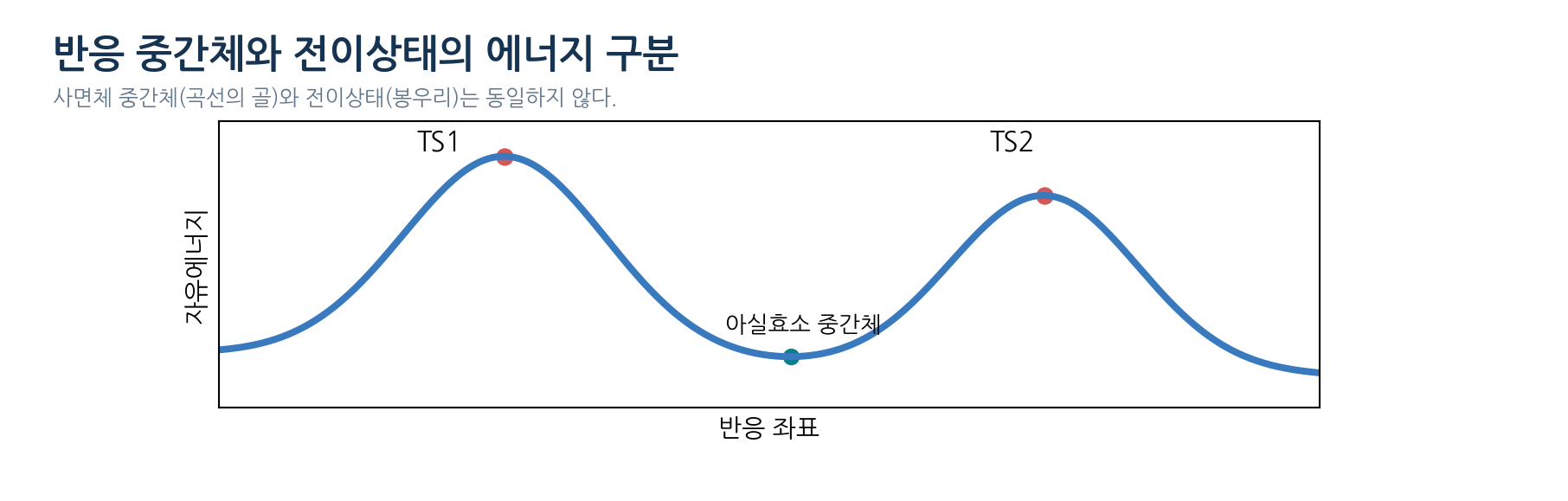
- Covalent intermediates and transition states are different, and independent evidence such as bursts, structures and inhibitor complexes must agree
References
| Feature | Chymotrypsin | HIV-1 protease | PBP transpeptidase |
|---|---|---|---|
| Main nucleophile | Ser195 | Catalytic water | Active-site Ser |
| Target | Peptide bond | Viral polyprotein | Cell wall peptide |
| Covalent acyl-enzyme | Central step in the usual mechanism | Not part of the usual mechanism | Formed in the normal reaction |
| Relevant inhibitor | Transition-state analogues and others | Protease inhibitors | Beta-lactam antibiotics |
| Enzyme | Core chemical change | Key evidence | Easy confusion |
|---|---|---|---|
| Chymotrypsin | Ser acylation then water deacylation | Intermediates, burst, active-site structure | Transition state is not an intermediate |
| HIV-1 protease | Asp-assisted water attack and hydrolysis | Dimer structure, inhibitor complexes | Not a serine acyl-enzyme |
| Hexokinase | Transfer of the ATP phosphate | Structural change on substrate binding | Not simple ATP hydrolysis |
| Enolase | Dehydration of 2-PG to PEP | Mg2+ coordination, kinetics | The step itself is not ATP synthesis |
| Lysozyme | Hydrolysis of the glycosidic bond | Asp52, Glu35, intermediate studies | Fine mechanistic detail is still studied |
| PBP | Formation of cell wall cross-links | Ser acyl-enzyme, beta-lactam complexes | The antibiotic is not the normal substrate |