01
Allosteric enzymes change conformation on effector binding
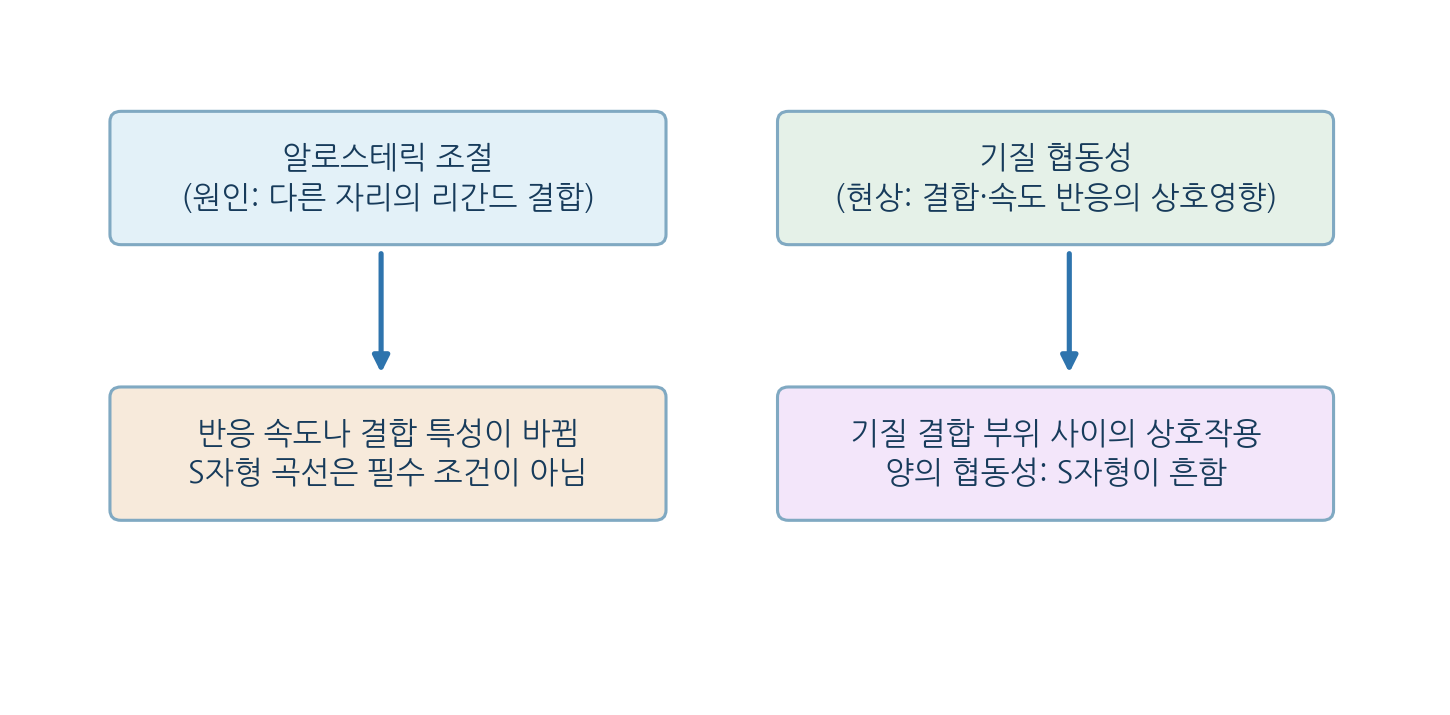
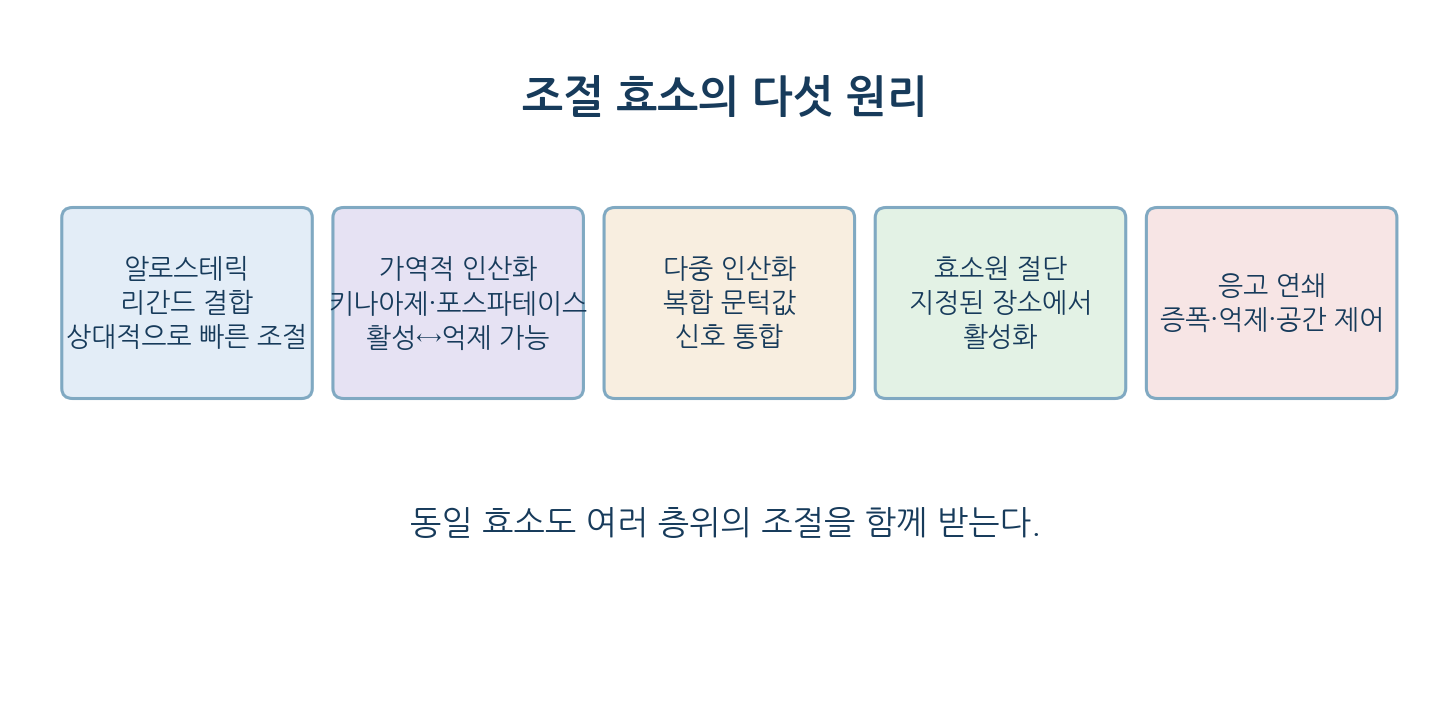
- Allosteric control means binding at one site changes structure or function at another
- The effector site is often distinct from the active site, and an effector that raises activity is an activator while one that lowers it is an inhibitor
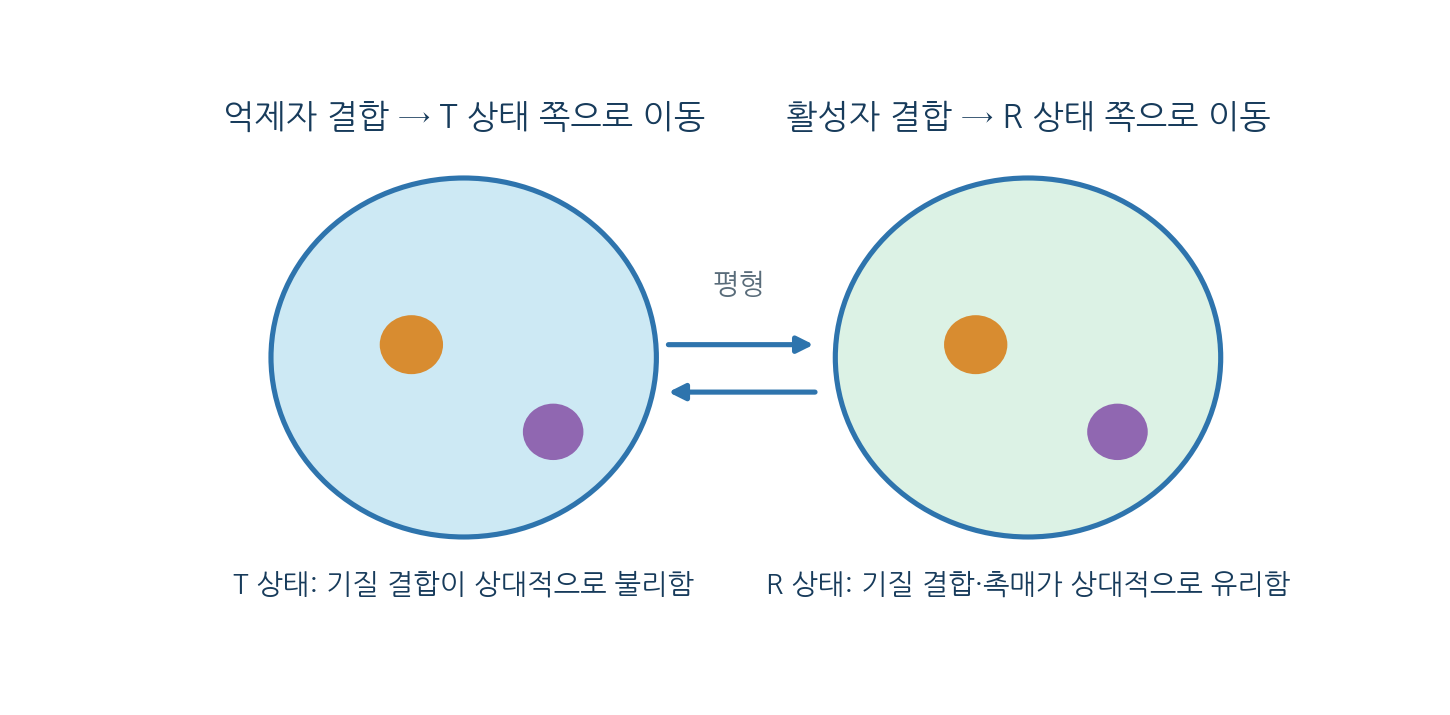
- The T and R state model is a simplification and real enzymes may occupy more states
- Effectors shift the population by changing the relative stability of particular states
- Cooperativity means binding at one site changes affinity or reactivity at another, though not every allosteric enzyme is cooperative
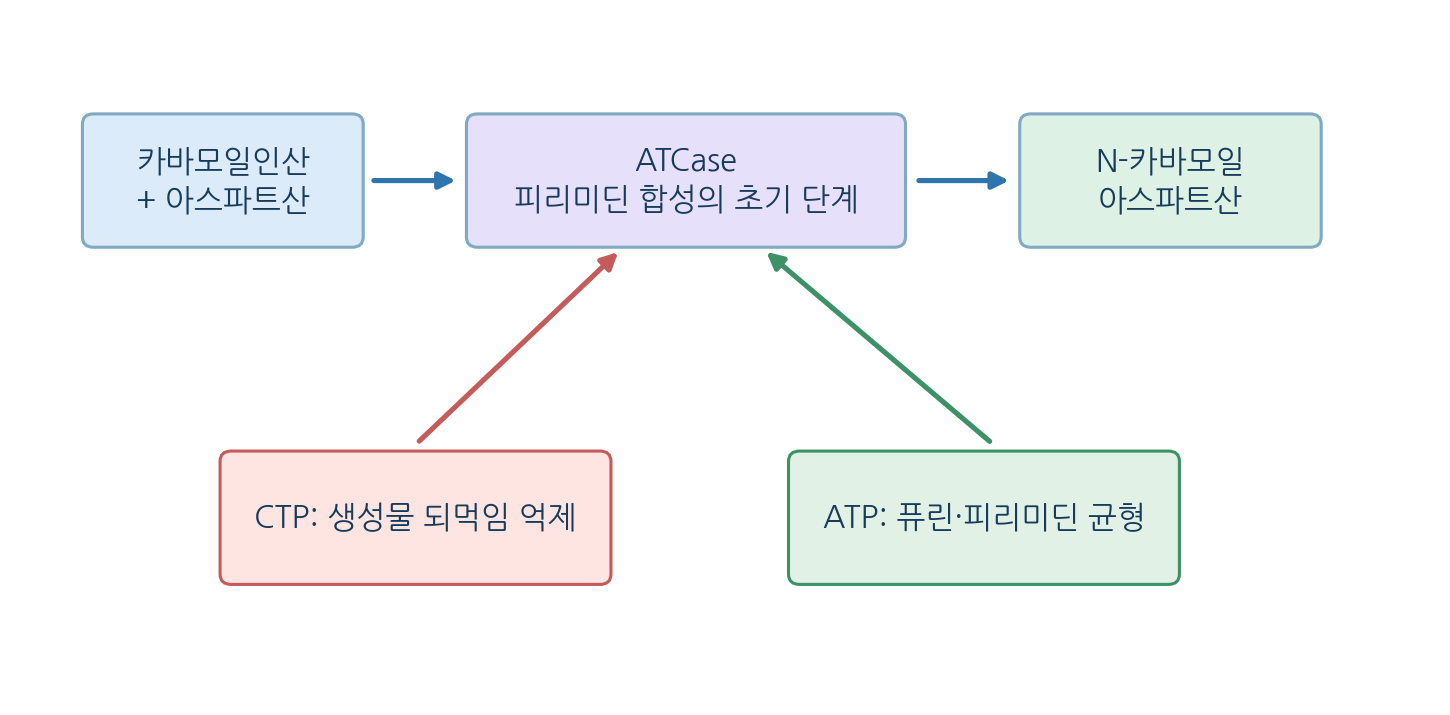
- Example: ATCase receives negative feedback from CTP and a balancing signal from ATP
02
Kinetics of regulatory enzymes can depart from Michaelis-Menten behaviour
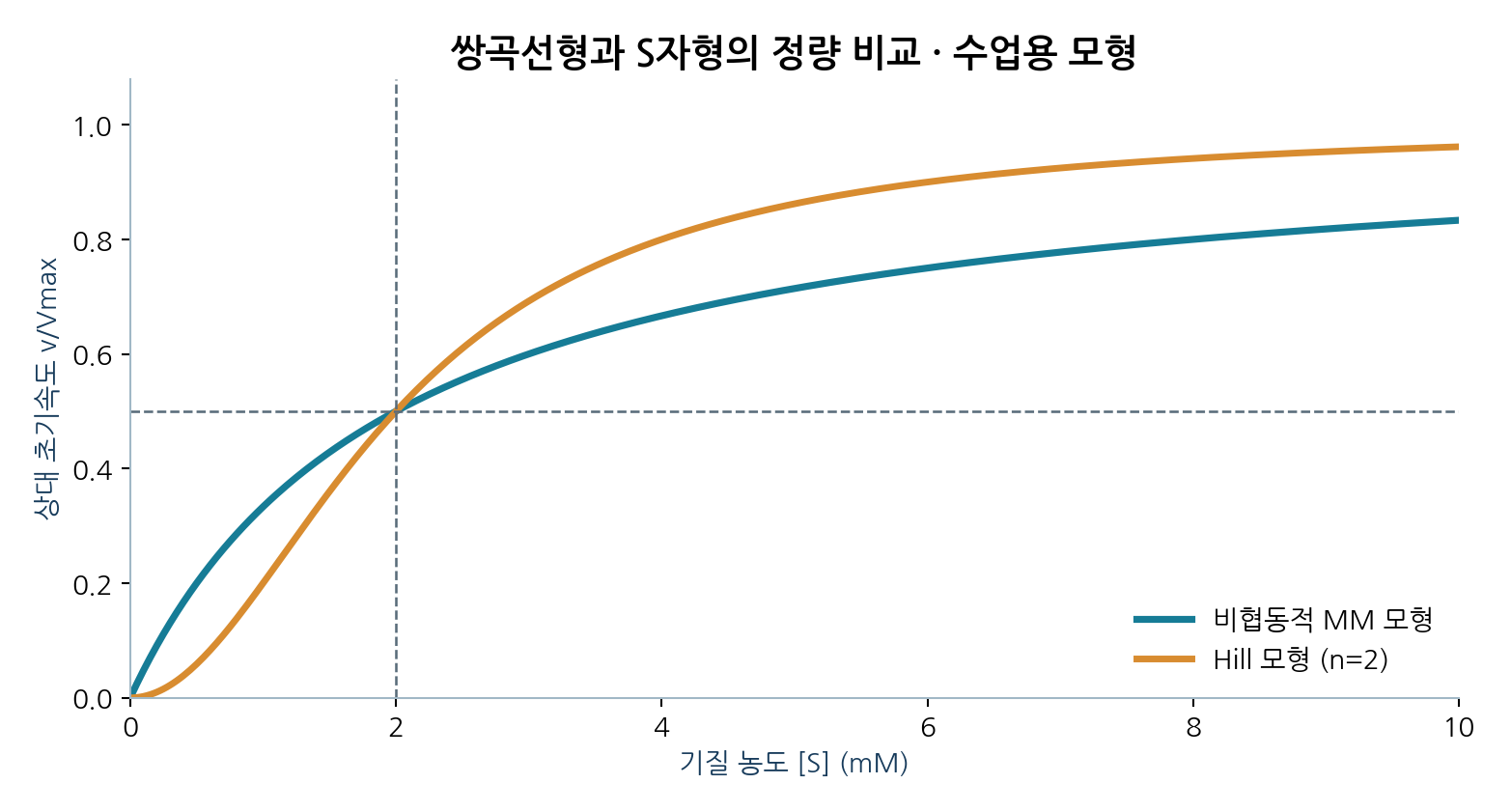
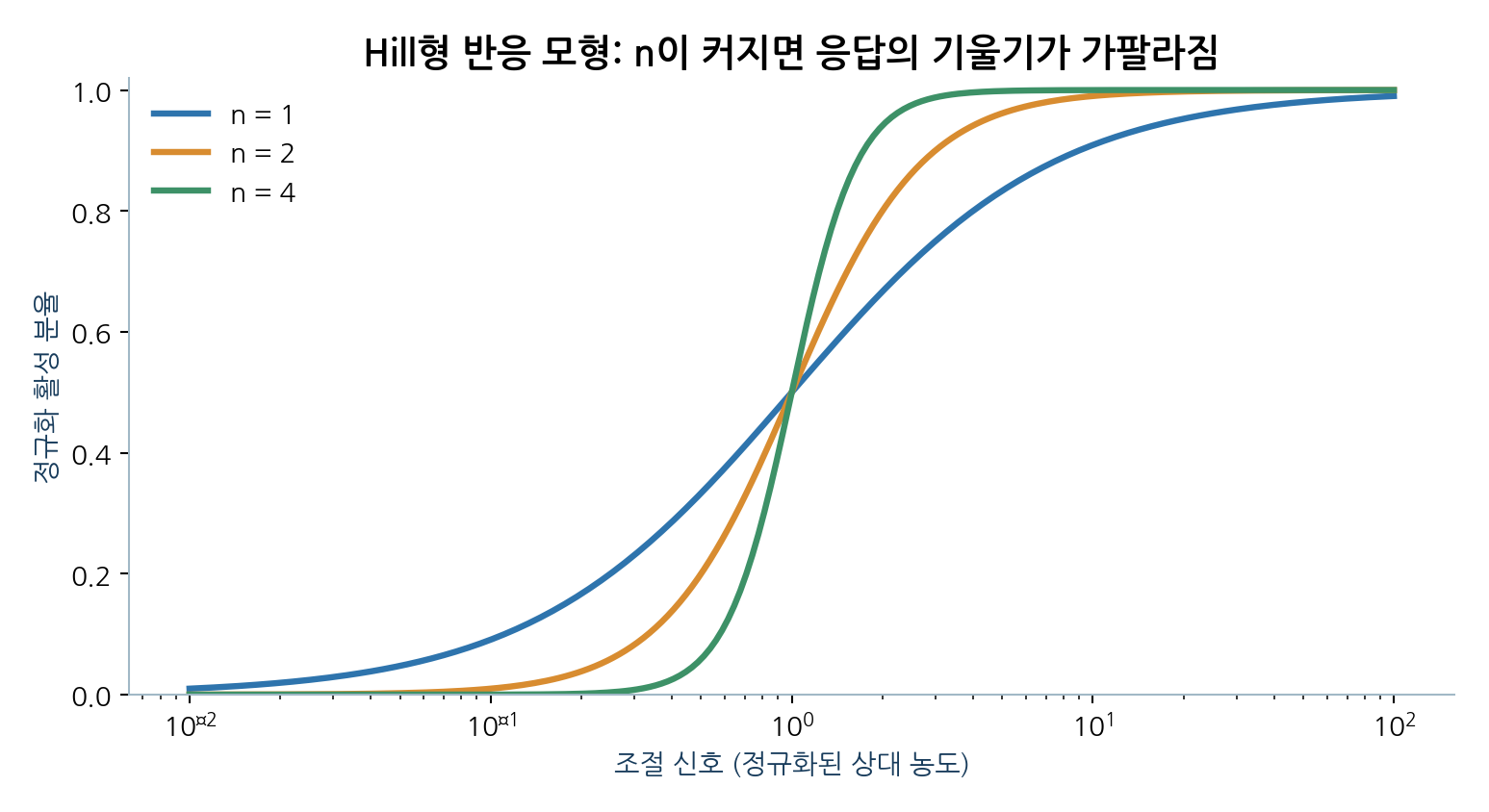
- Hill-type approximation for positive Cooperativity: v/Vmax = [S]^nH/(K0.5^nH + [S]^nH)
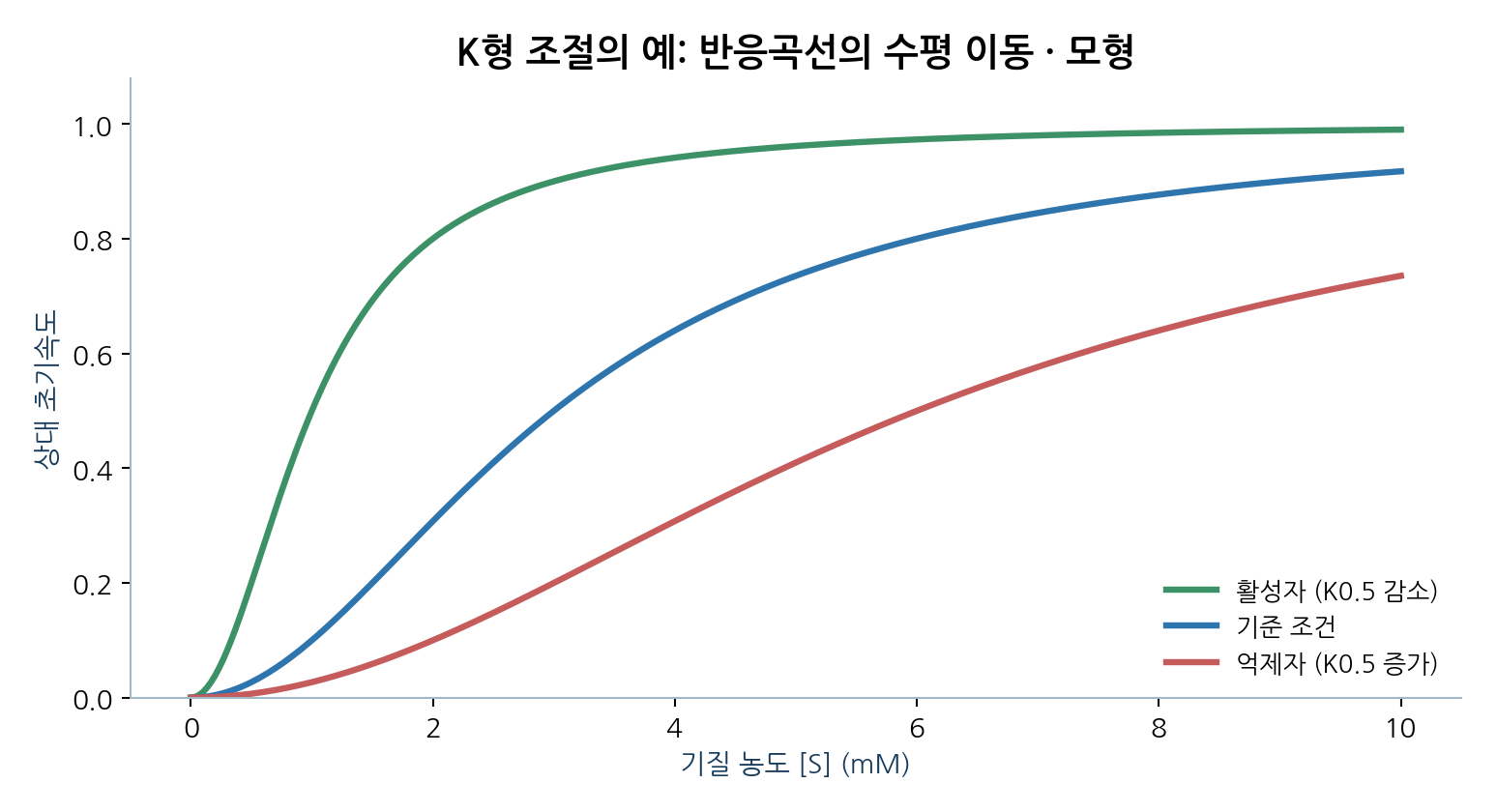
- K0.5 is the substrate concentration giving half Vmax, and nH measures steepness rather than the number of sites
- nH of 1 gives a hyperbola, above 1 a sigmoid, and below 1 can reflect negative cooperativity or other heterogeneity
- K-type effectors shift apparent K0.5, V-type effectors change maximum rate, and both can change together
- Example: K0.5 2.0 mM, nH 2 and Vmax 100 give v = 80 at 4.0 mM, and 90 percent is reached at 6.0 mM
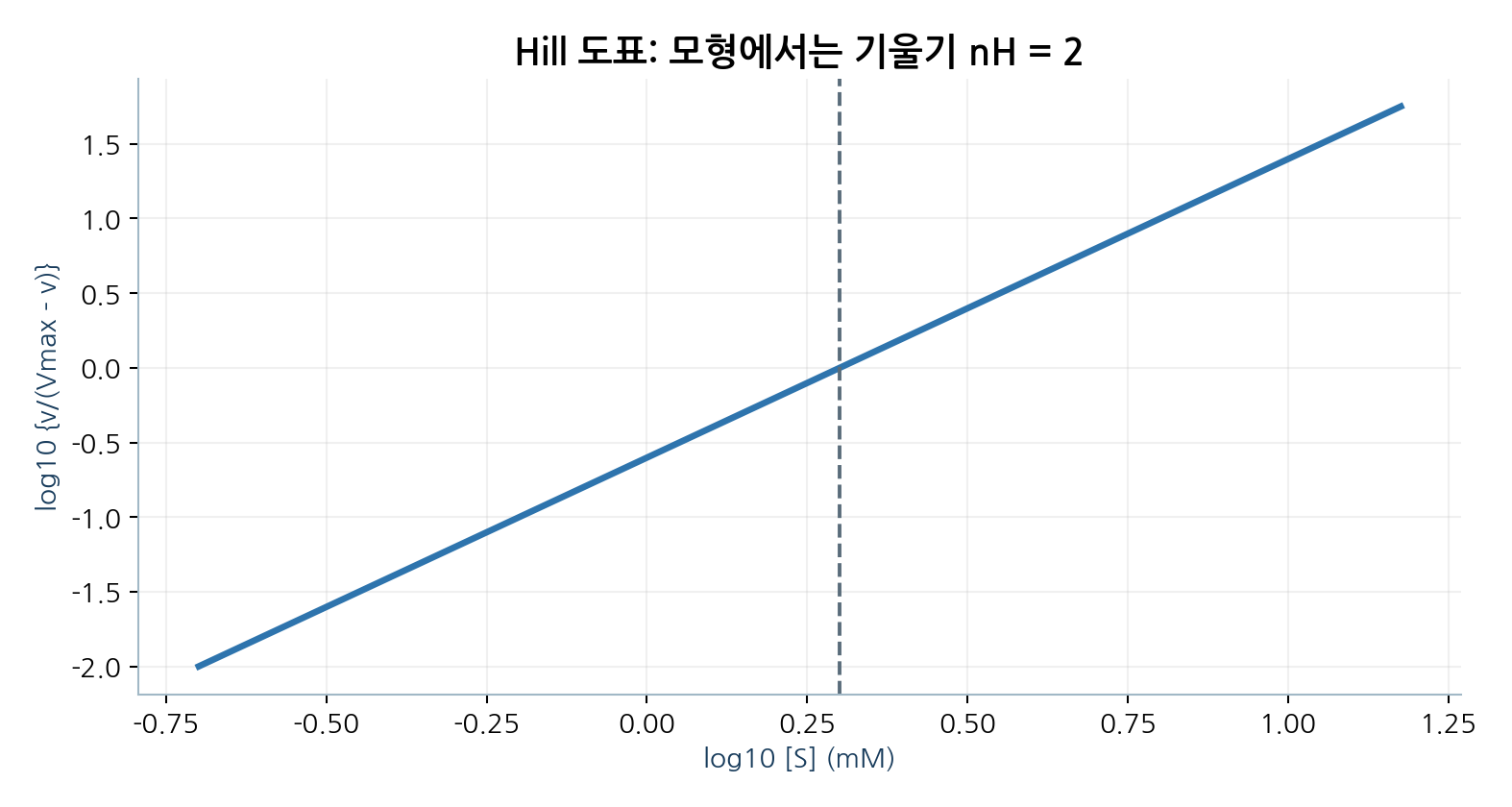
- The Hill plot uses log{v/(Vmax - v)} against log[S], and real slopes are not constant across all concentrations
03
Some enzymes are controlled by reversible covalent modification
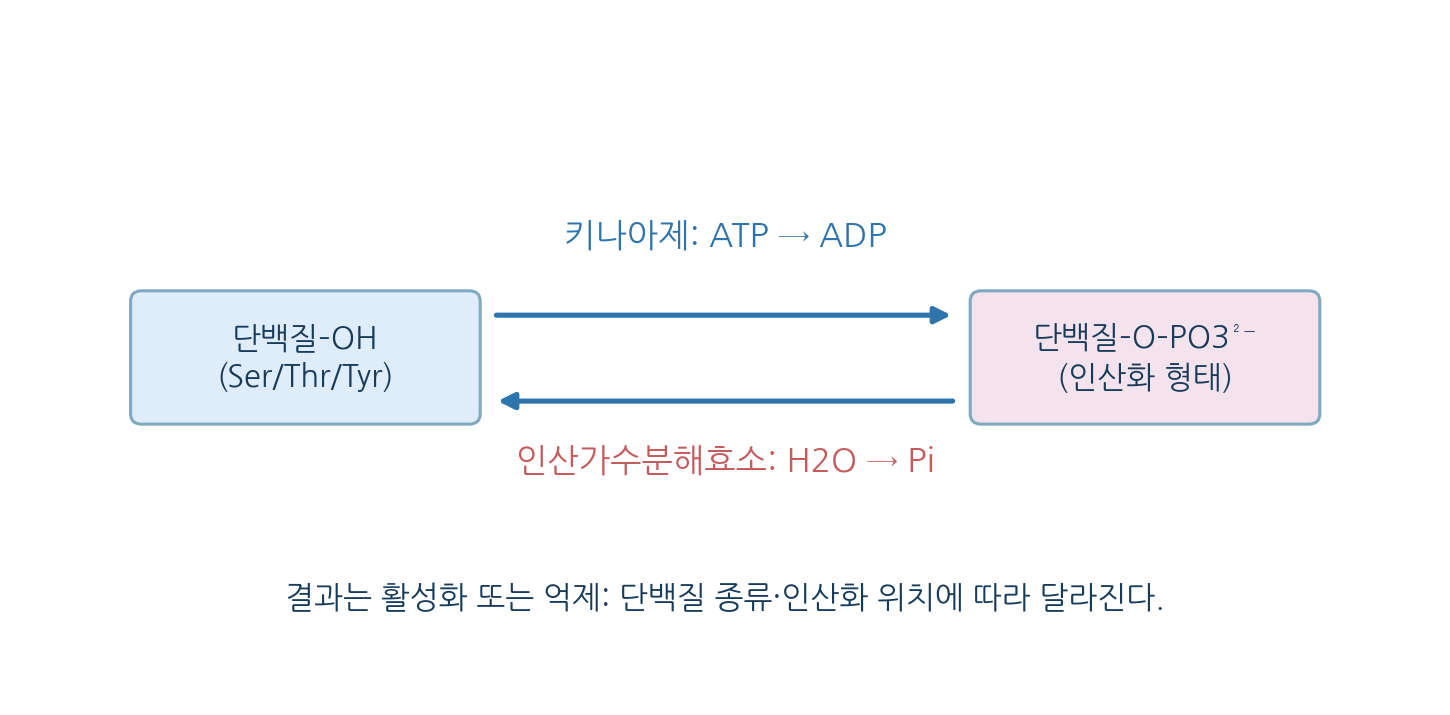
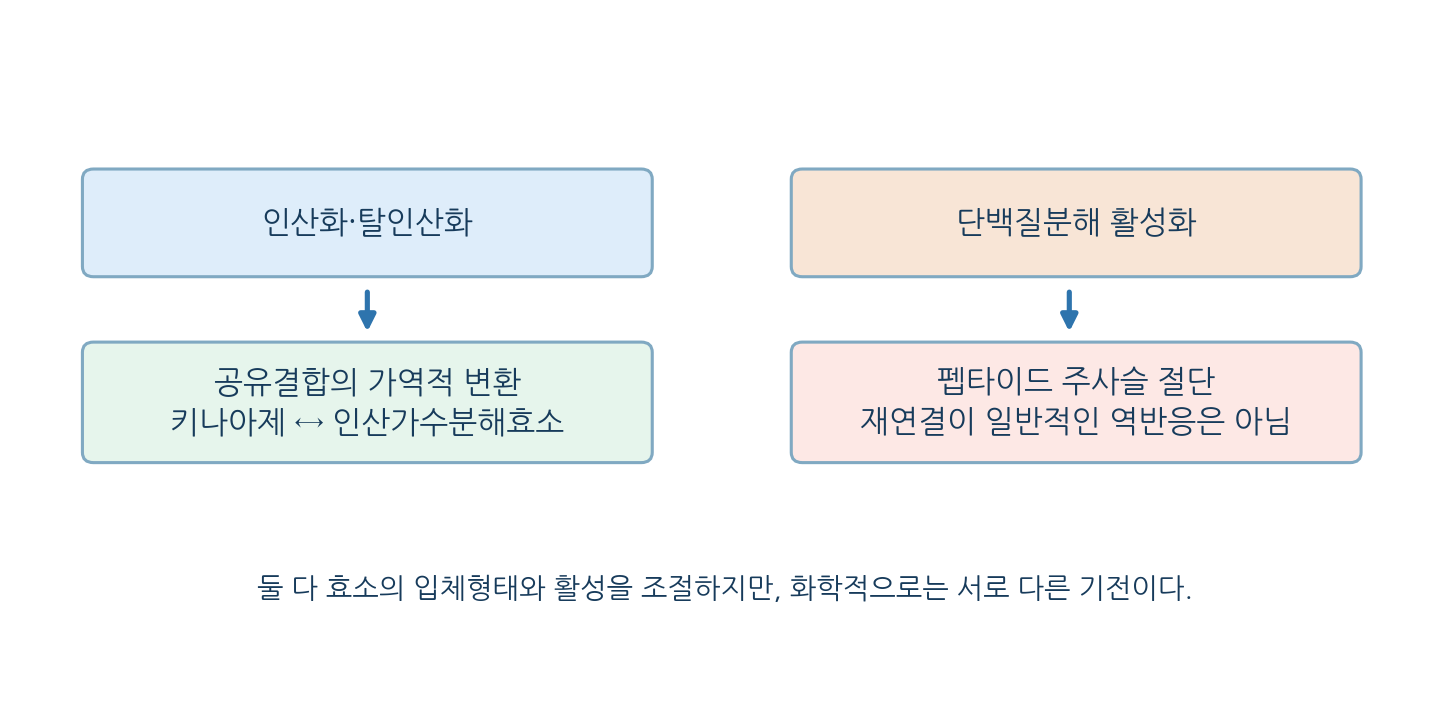
- Protein kinases transfer the ATP phosphate to Ser, Thr or Tyr hydroxyls, and phosphatases hydrolytically remove it
- Phosphorylation adds negative charge and affects hydrogen bonds, salt bridges, metal binding and protein interactions
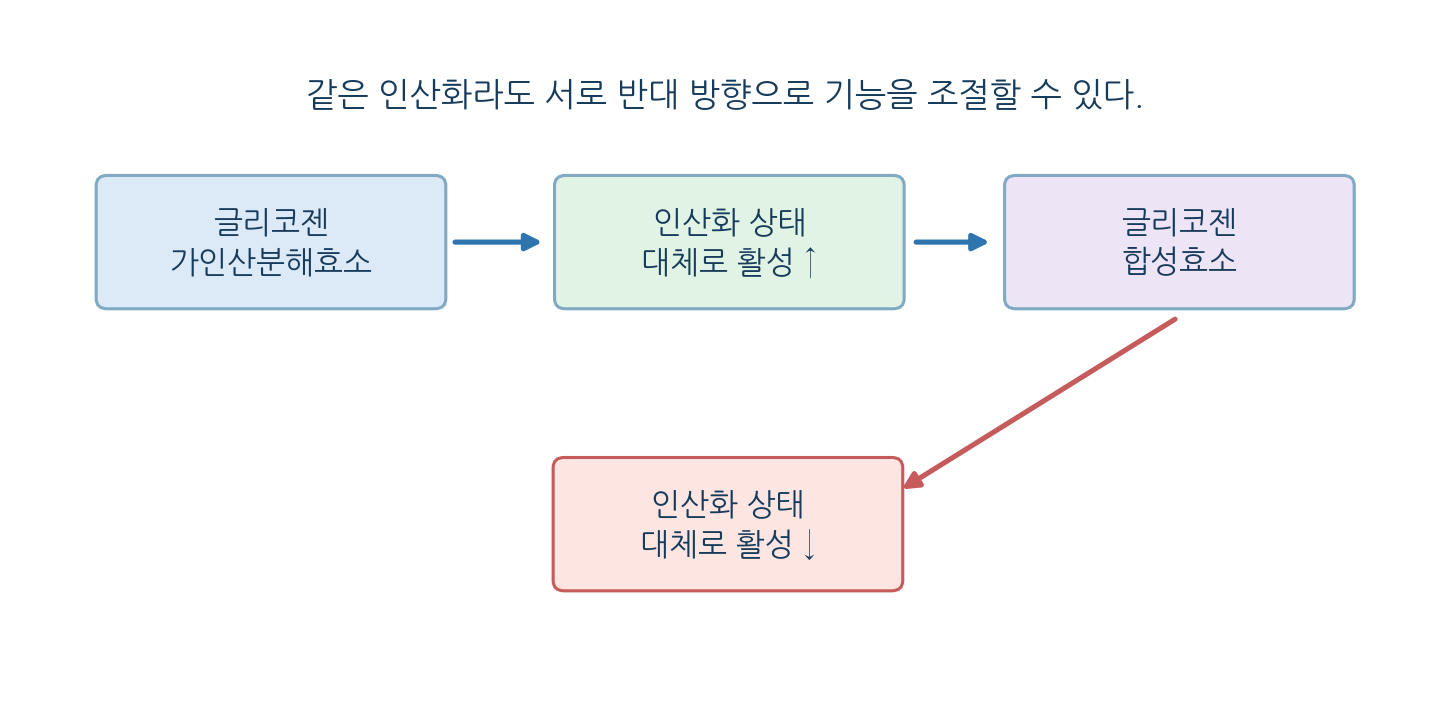
- It activates some enzymes and inhibits others, so phosphorylation always means activation is not a rule
- Glycogen phosphorylase is activated by phosphorylation while glycogen synthase is inhibited, preventing futile simultaneity
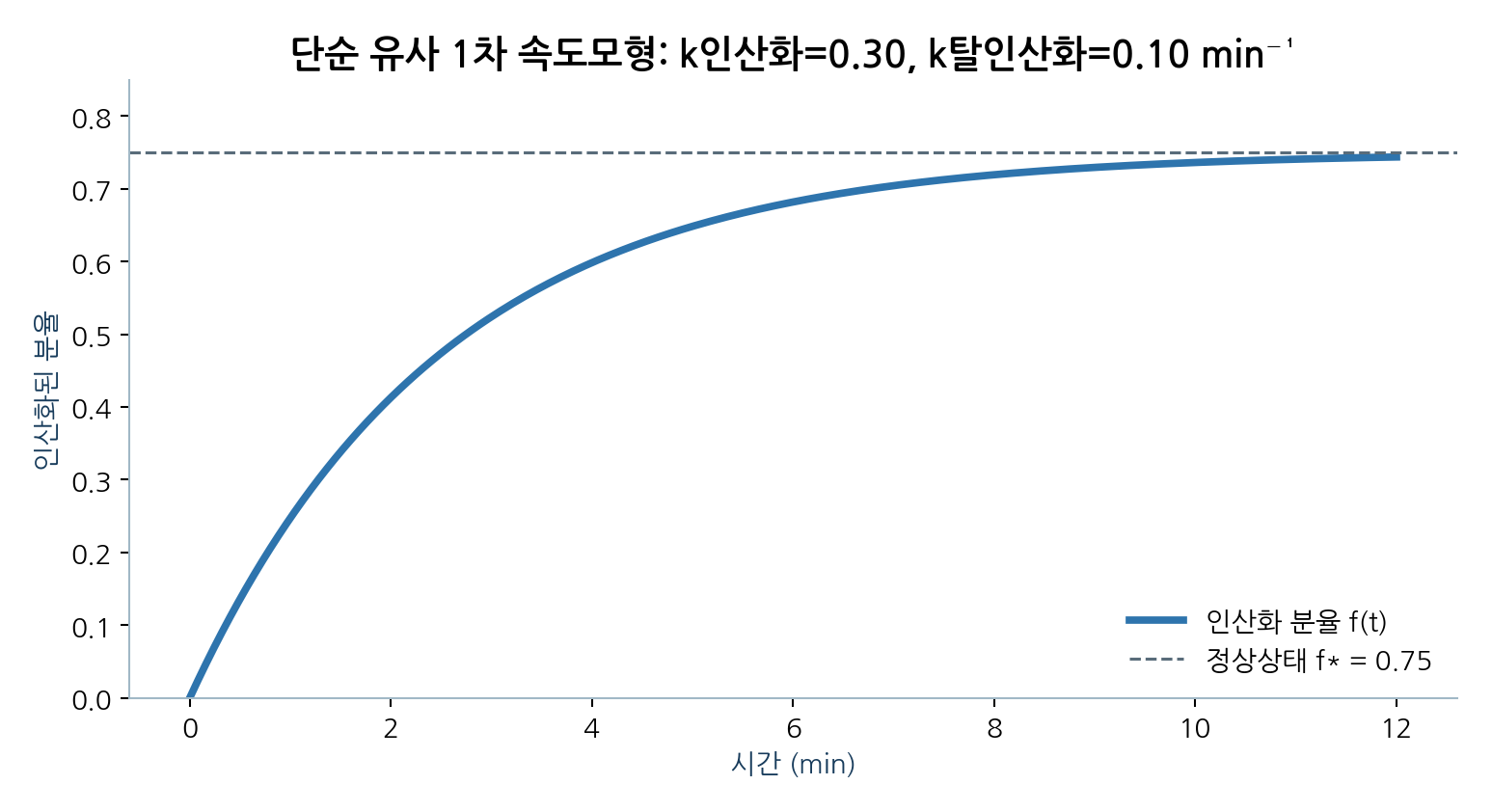
- Simple model df/dt = kP(1 - f) - kD f gives f* = kP/(kP + kD), for example 0.75 and a 2.5 minute time constant with kP 0.30 and kD 0.10
04
Multiple phosphorylation tunes activity precisely
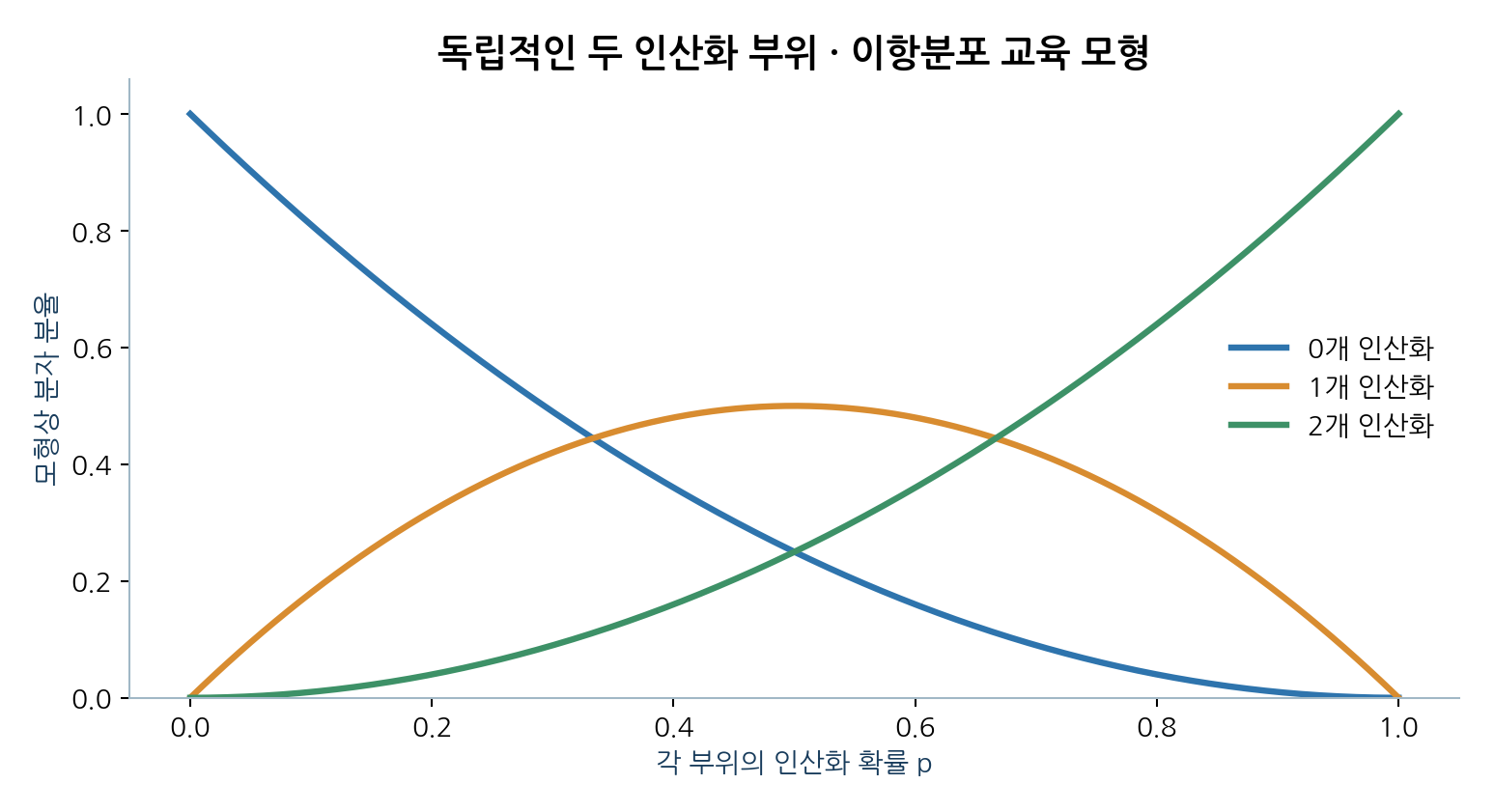
- Several Ser, Thr or Tyr sites allow multiple phosphoforms; two independent sites give the four states 00, 10, 01 and 11
- Which form is active depends on the protein and the cellular context
- Under independence the fractions with 0, 1 and 2 phosphates are (1-p) squared, 2p(1-p) and p squared, so p = 2/3 gives 4/9 for both sites
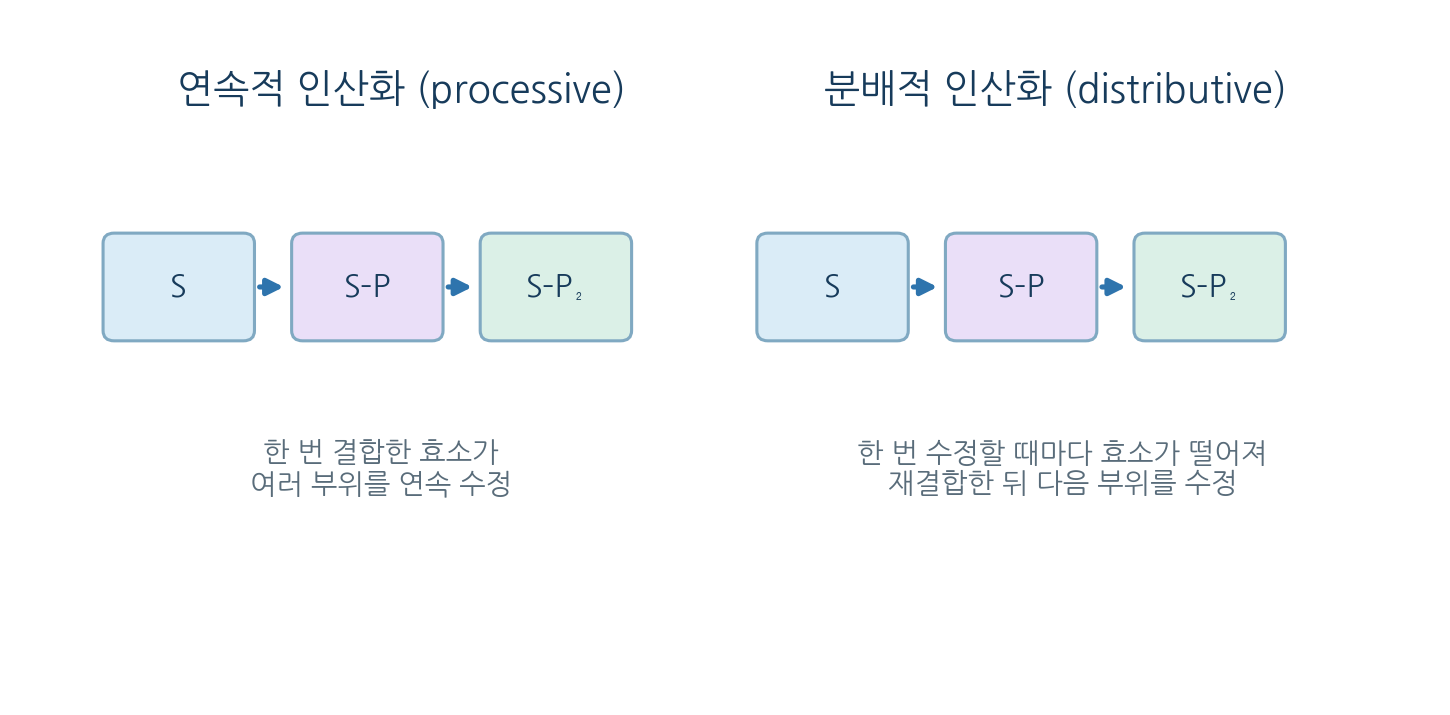
- Processive phosphorylation modifies several sites in one binding event, distributive phosphorylation requires rebinding each time
- Repeated binding and phosphatase competition can create threshold responses, though not every multi-site system is ultrasensitive
05
Some enzymes are activated by proteolytic cleavage of an inactive precursor
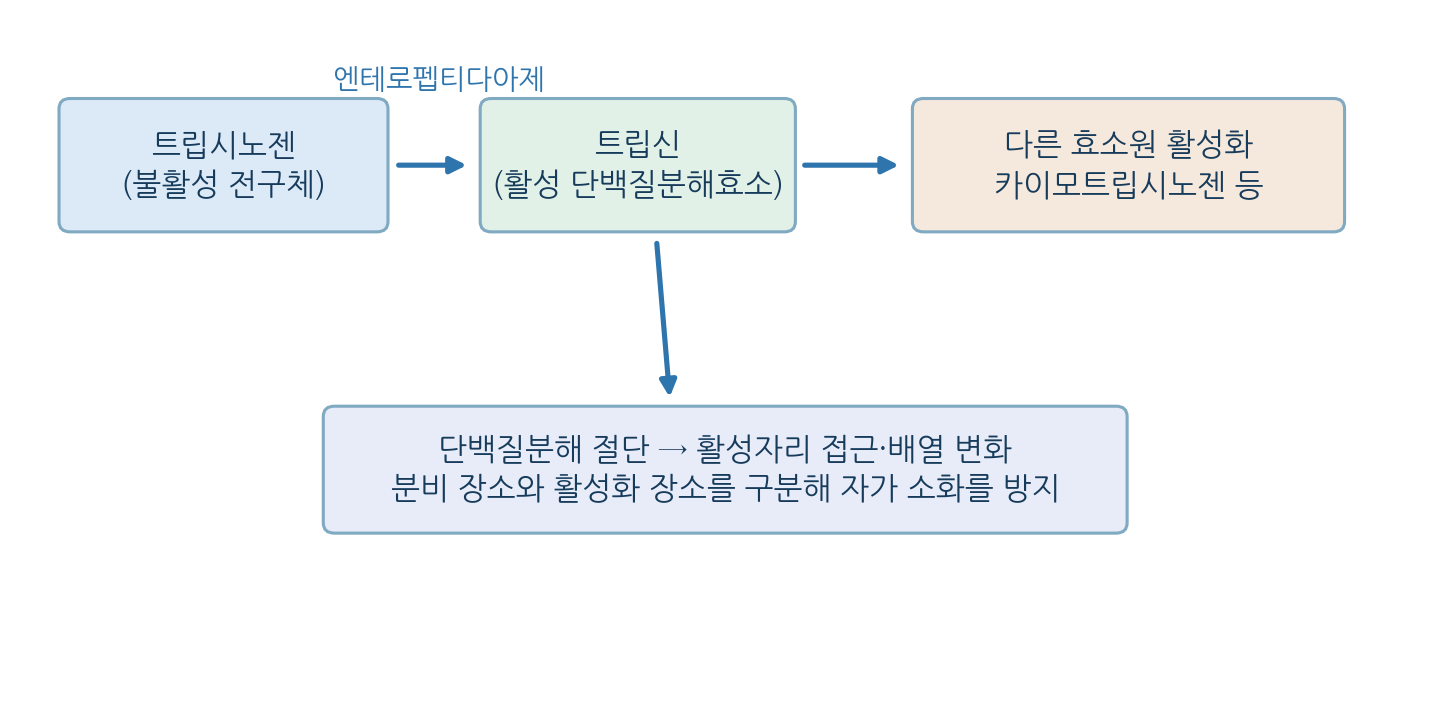
- A zymogen is a catalytically suppressed precursor that becomes active when a specific peptide bond is cleaved
- Digestive enzymes are secreted as trypsinogen and chymotrypsinogen and activated in the duodenum, limiting self-digestion
- Enteropeptidase activates trypsinogen first and the resulting trypsin activates the other zymogens
- Because a backbone bond is cut, this control is not spontaneously reversed as phosphorylation is, and inhibitor binding or removal ends the action
06
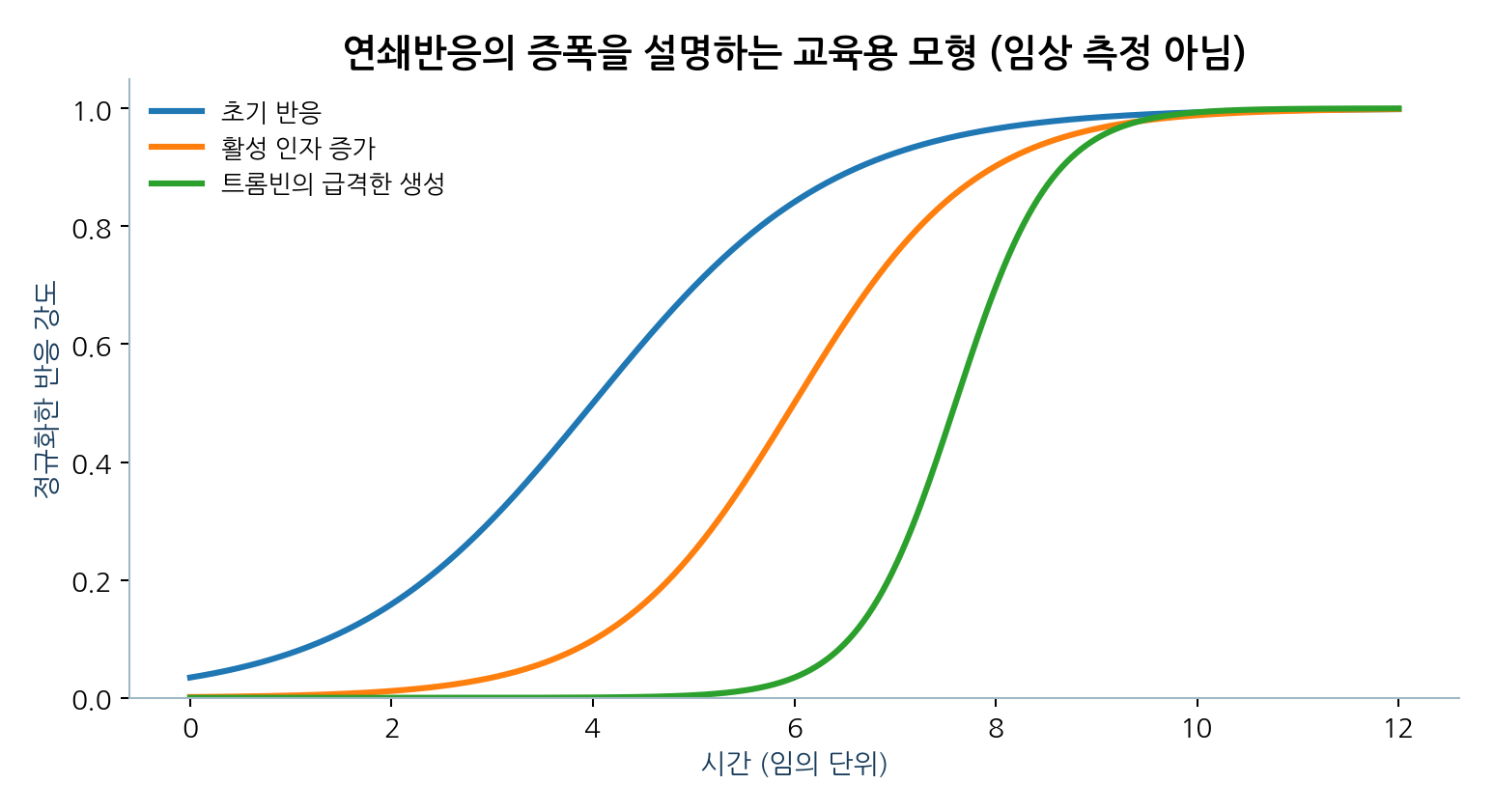
A cascade of proteolytically activated zymogens produces clotting
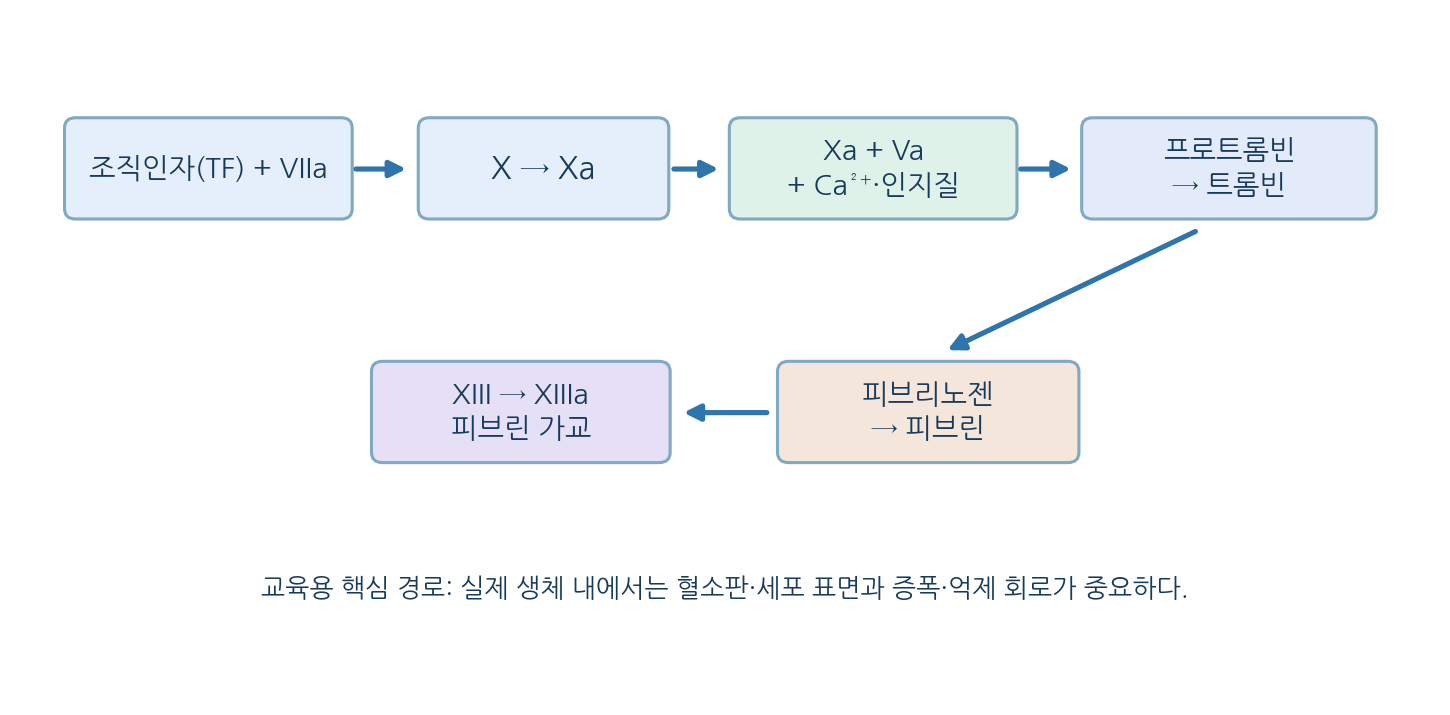
- Tissue factor exposed by injury lets TF-VIIa activate factor X, and Xa with Va, Ca2+ and phospholipid converts prothrombin to thrombin
- Thrombin cleaves fibrinogen to fibrin and XIIIa cross-links it to stabilise the clot
- The classical intrinsic and extrinsic schemes are teaching aids; clotting in vivo is initiation, amplification and propagation regulated on cell membranes and platelets
- Factors V and VIII are mainly cofactors and XIII is a transglutaminase, so not every clotting factor is a protease
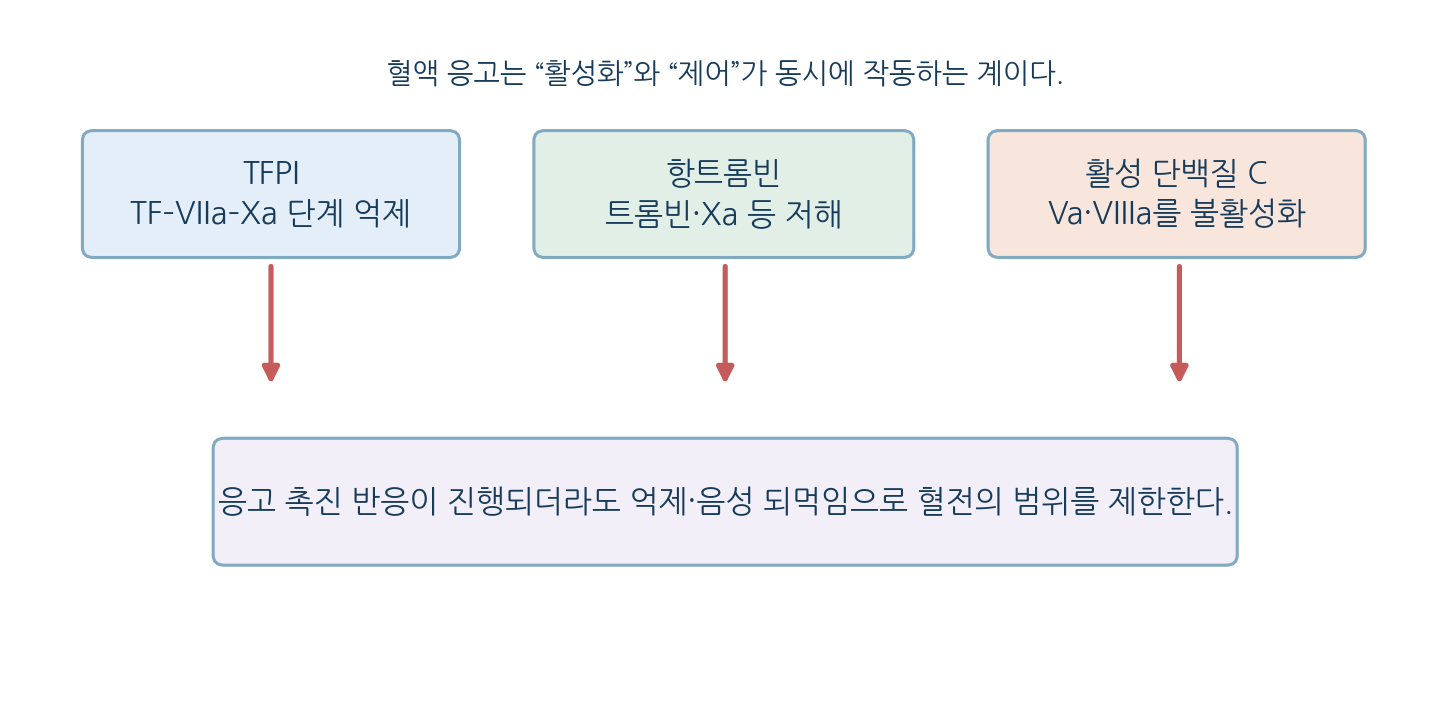
- The cascade amplifies signal while TFPI, antithrombin and the protein C and S system restrain it, and normal haemostasis is that balance
07
Some regulatory enzymes combine several mechanisms
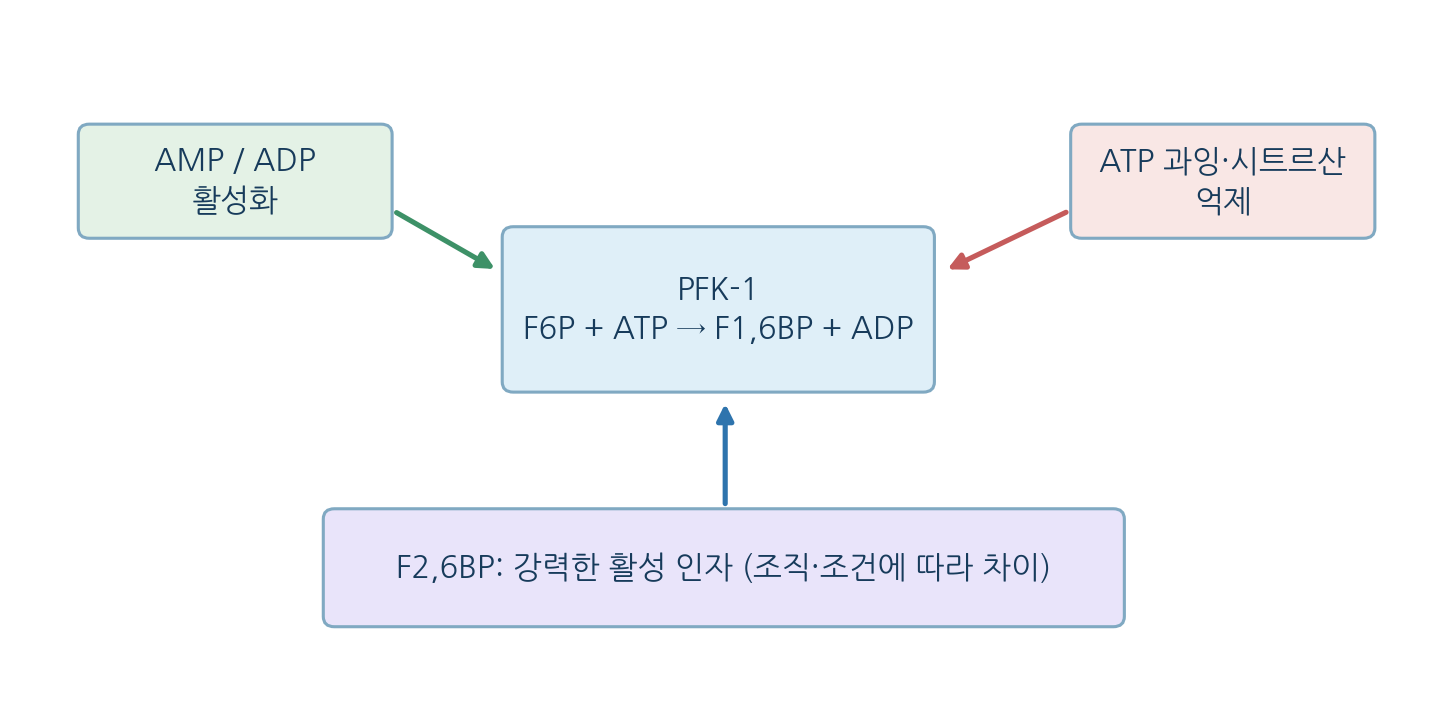
- PFK-1 converts fructose 6-phosphate and ATP to fructose 1,6-bisphosphate and ADP, with ATP both a substrate and an allosteric inhibitor
- AMP and ADP signal low energy and favour activity, fructose 2,6-bisphosphate is a strong activator and citrate can inhibit
- Control of PFK-1 itself and phosphorylation of the bifunctional PFK-2/FBPase-2 that sets F2,6BP are different layers
- The effect of PFK-2/FBPase-2 phosphorylation depends on tissue-specific isoforms, so no single generalisation holds
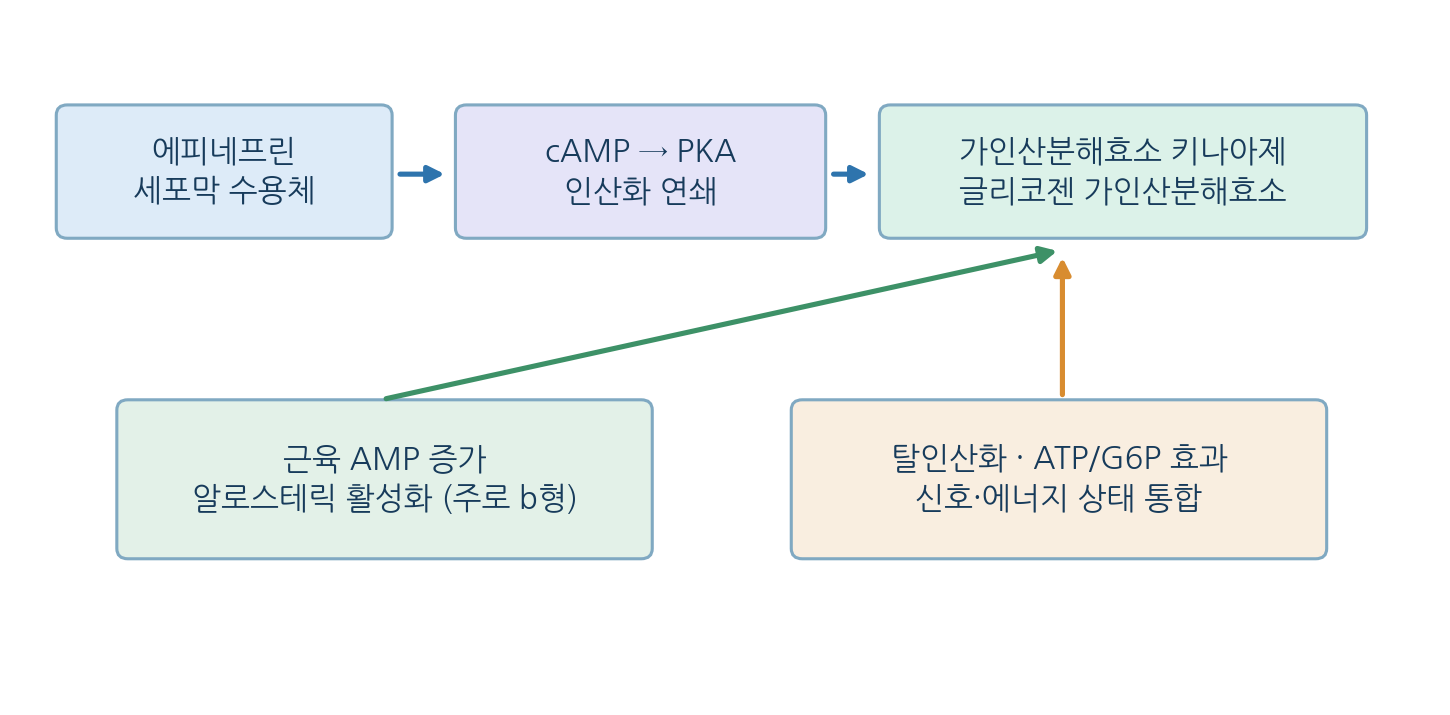
- Glycogen phosphorylase phosphorolyses alpha(1-4) bonds with Pi to give glucose 1-phosphate, and hormonal signals change its phosphorylation through cAMP and PKA
- When activity changes, examine initial-rate curves, effector binding, phosphorylation sites, cleavage state, localisation and actual metabolites together
08
Integrated comparison
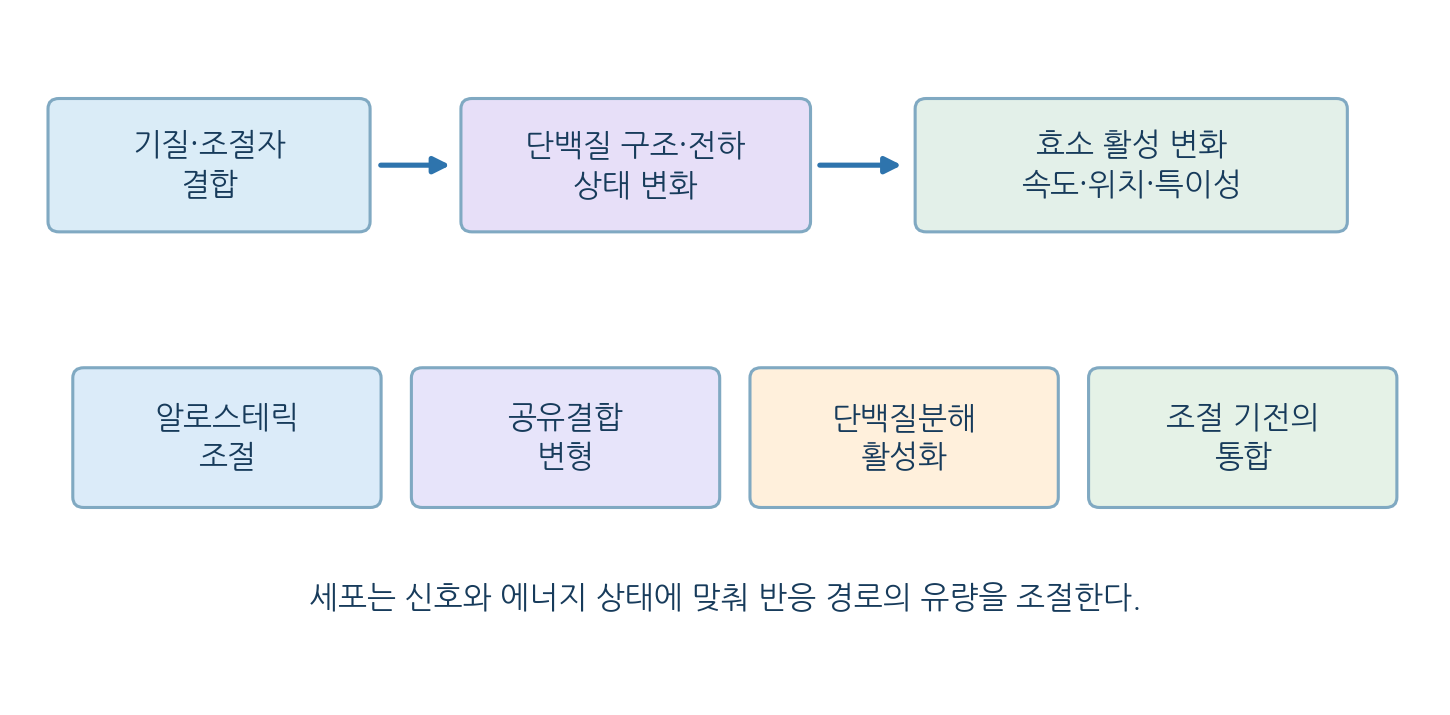
- Regulatory enzymes either change catalytic efficiency or change the fraction, timing and location of the active state
- Allostery is fast and reversible through non-covalent binding, phosphorylation is covalent and intermediate in speed, and zymogen cleavage is irreversible and needs a separate termination route
- Cascades gain amplification but require restraining systems for normal haemostasis
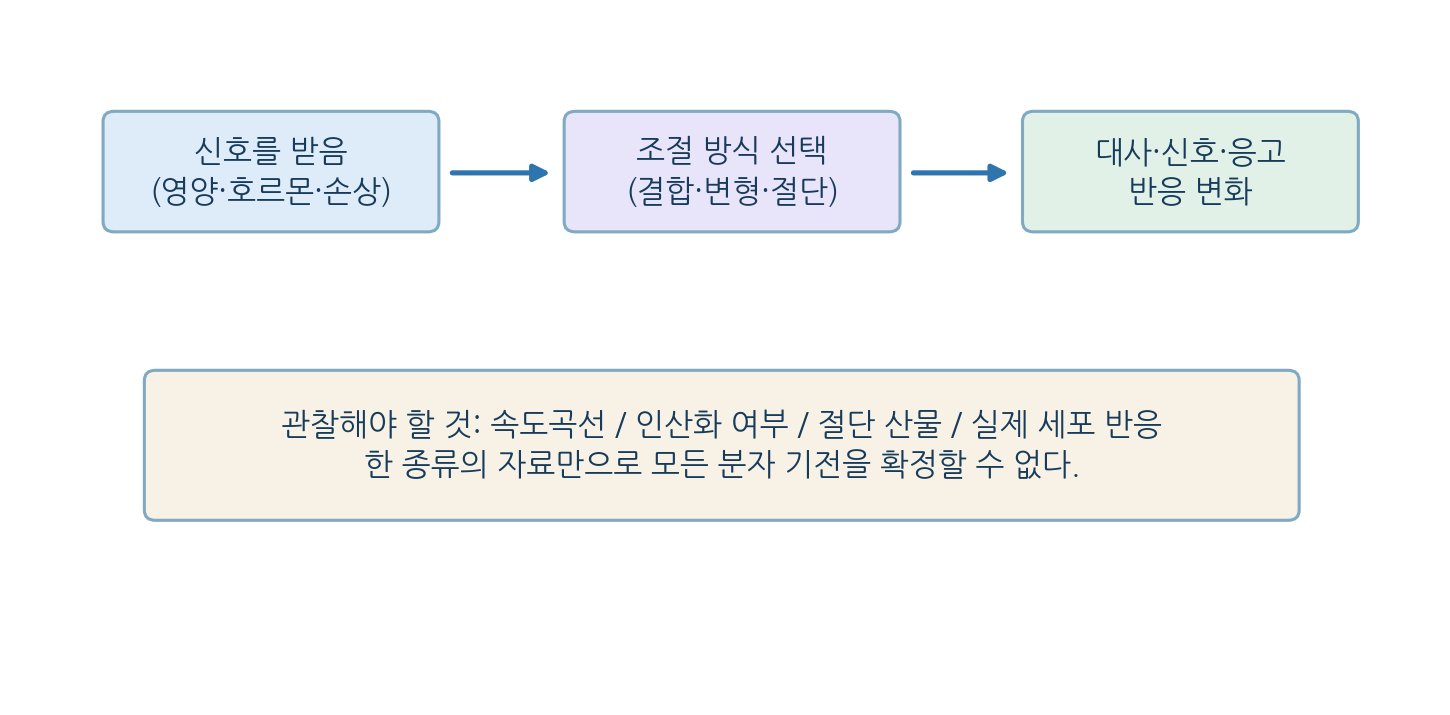
- Observing a rate change does not establish a molecular mechanism, which needs evidence from several levels
References
| Mechanism | Chemical change | Example | Reversibility and character |
|---|---|---|---|
| Allosteric control | Non-covalent effector binding | CTP on ATCase | State equilibrium shifts with binding |
| Covalent phosphorylation | Phosphate ester on Ser, Thr or Tyr | Glycogen metabolism enzymes | Kinase and phosphatase act in opposition |
| Multiple phosphorylation | Combinations across several sites | MAPK signalling proteins | Can tune threshold and timing but is not obligatory |
| Proteolytic activation | Cleavage of the peptide backbone | Trypsinogen | Direct reversal of cleavage is not usual |
| Cascade | Stepwise zymogen activation | Tissue factor, thrombin, fibrin | Amplification and restraint are both required |
| Multiple input integration | Combinations of the above | PFK-1, glycogen breakdown | Depends on cell and tissue context |