01
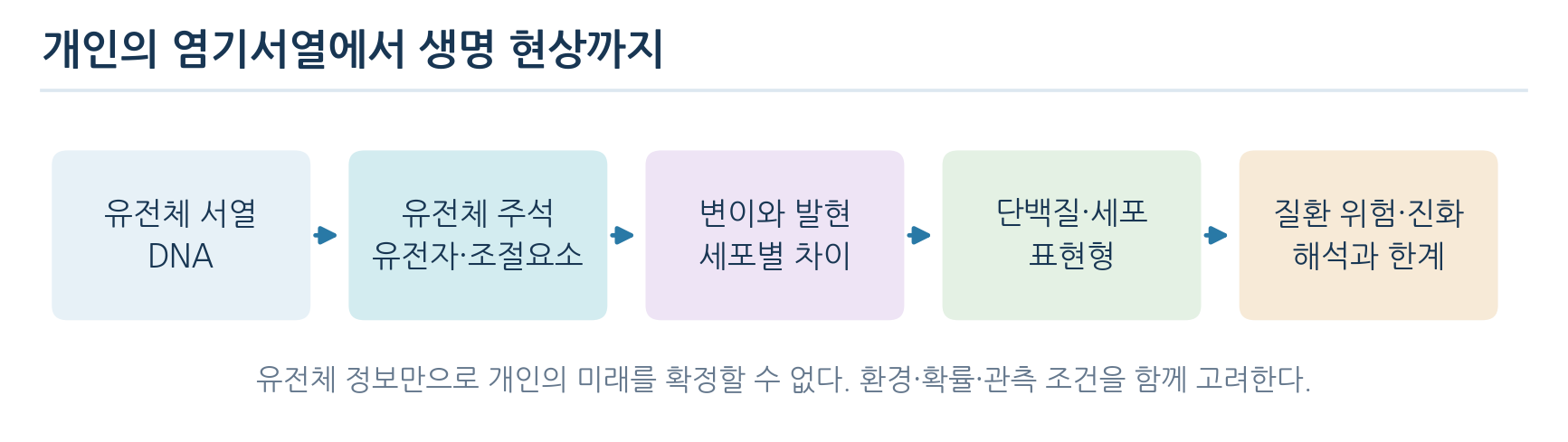
[Separate note 9-1] Personal genomic medicine
- Personal genomic medicine uses an individual genome in diagnosis, treatment and prevention decisions
- Genomic information can support susceptibility, drug response and diagnostic reasoning
- Most complex diseases involve many genes and environmental factors, so a single variant rarely predicts them
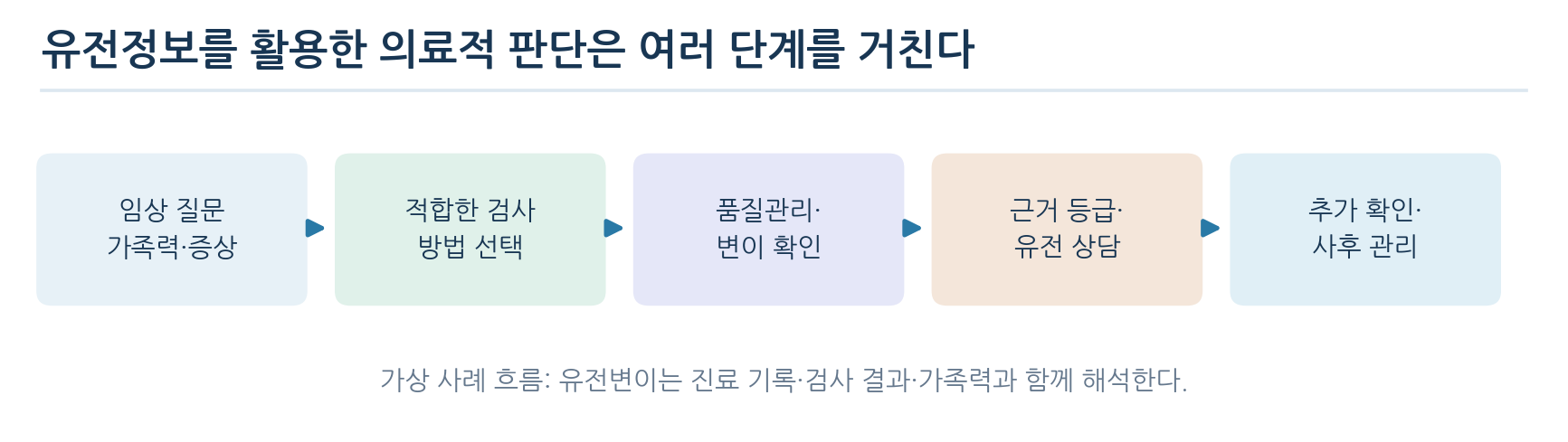
- A detected variant often has uncertain clinical meaning and needs an interpretation step
- Genomic information also concerns relatives, so consent, confidentiality and counselling matter
- A genomic result does not replace diagnosis but is integrated with other clinical information
02
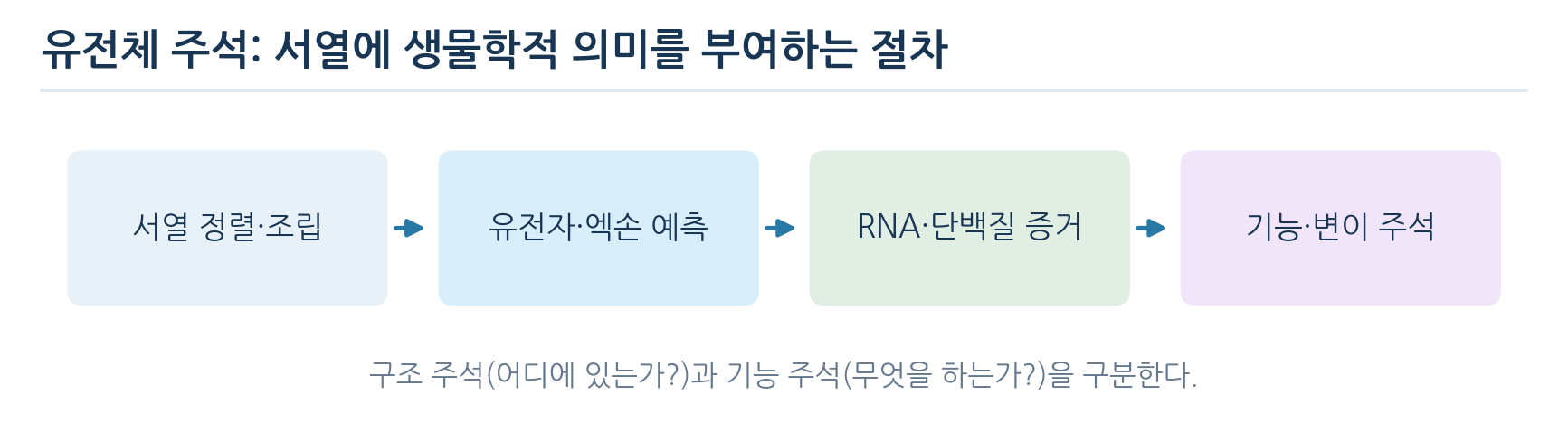
Genome annotation explains the genome
- Genome sequence, reference genome and annotation are different concepts
- The sequence is the base order, the reference is a comparison standard and the annotation records gene positions and function
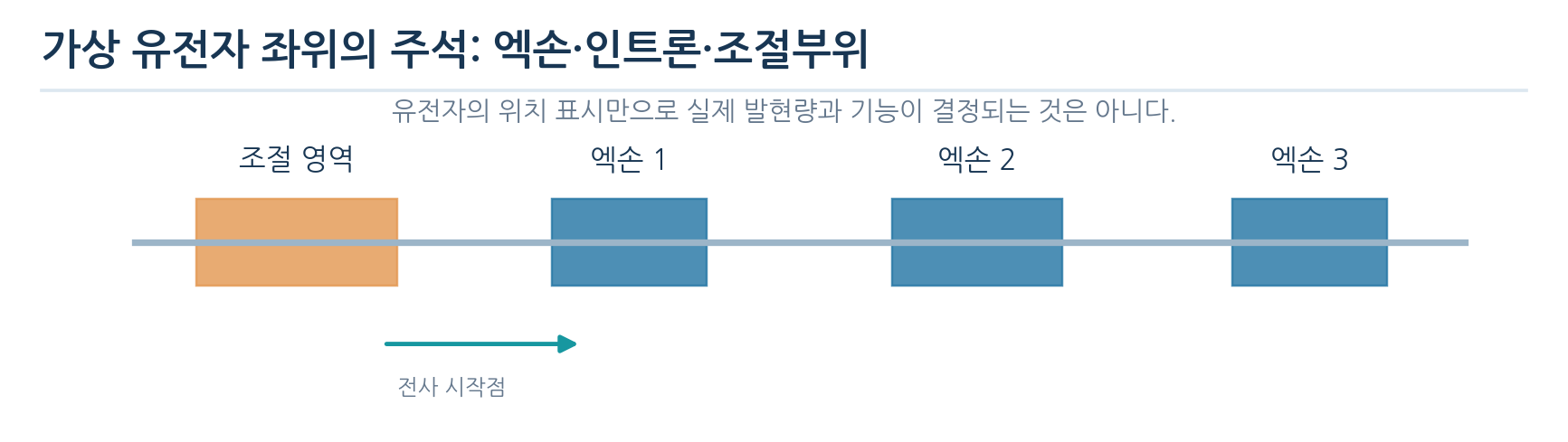
- Annotation includes genes, transcripts, exon boundaries, regulatory elements and repeats
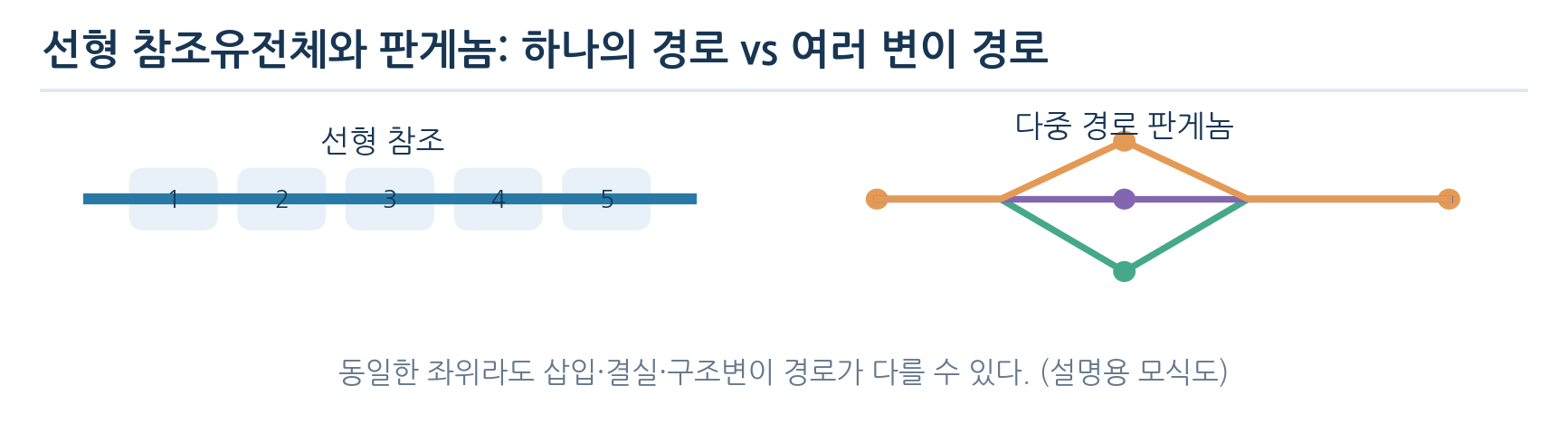
- A linear reference makes comparison easy but does not capture structural variation between populations
- A pangenome represents several assembled genomes as a graph and addresses that limit
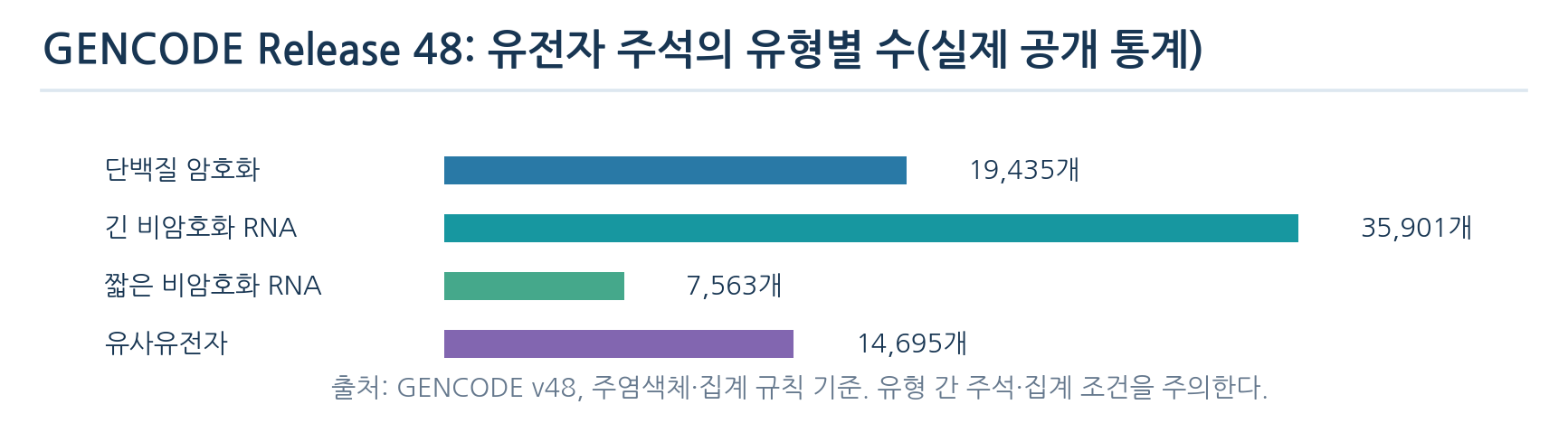
- Gene number changes with annotation release, so source and version must be stated
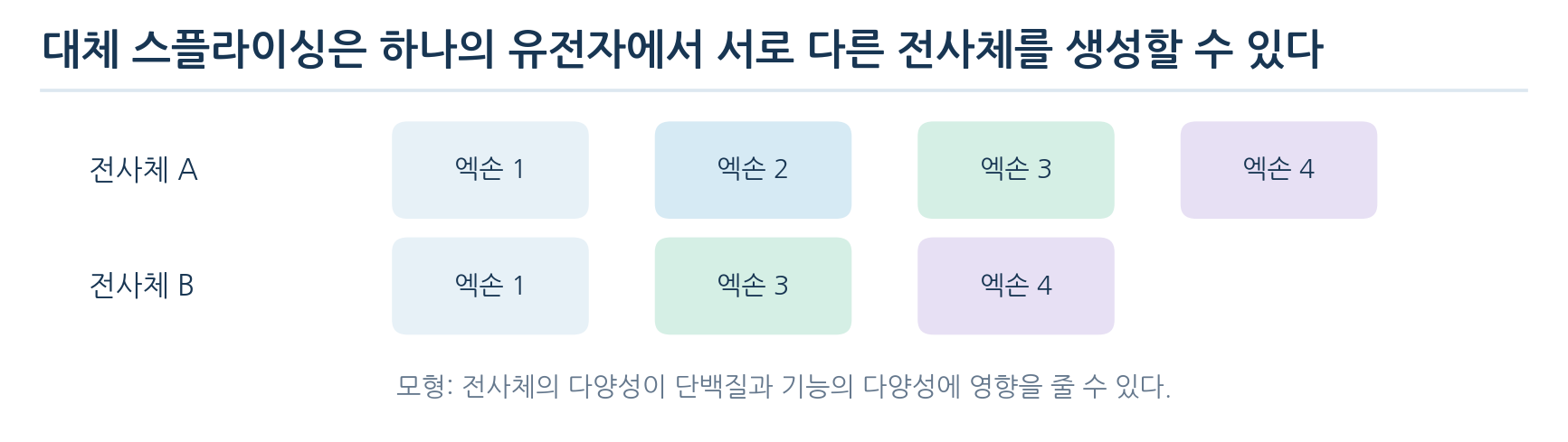
- Alternative splicing makes the number of transcripts exceed the number of genes
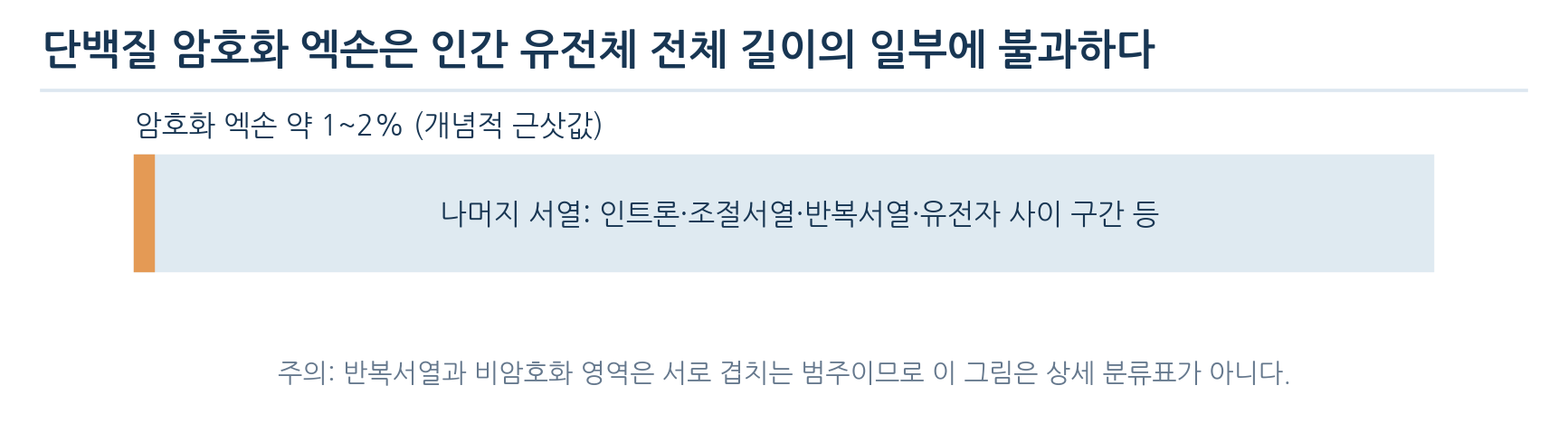
- Protein-coding exons are a small fraction of the genome and are not proportional to gene number
03
The human genome contains genes and much else
- The genome divides into coding and non-coding sequence, with non-coding sequence in the majority
- Non-coding sequence includes regulatory elements, repeats and structural features, much of it of unknown function
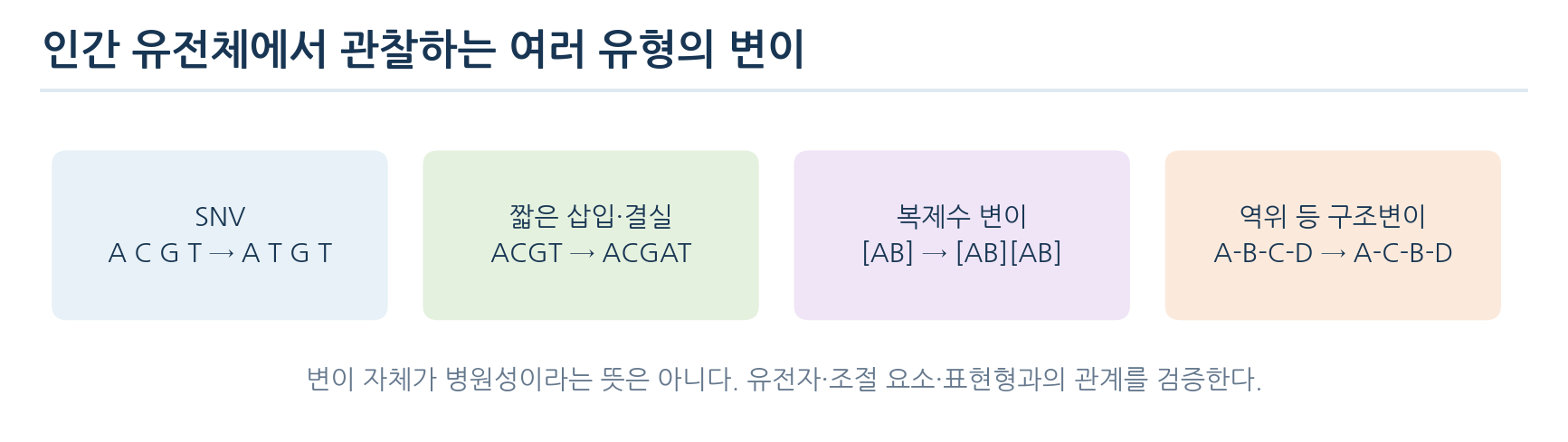
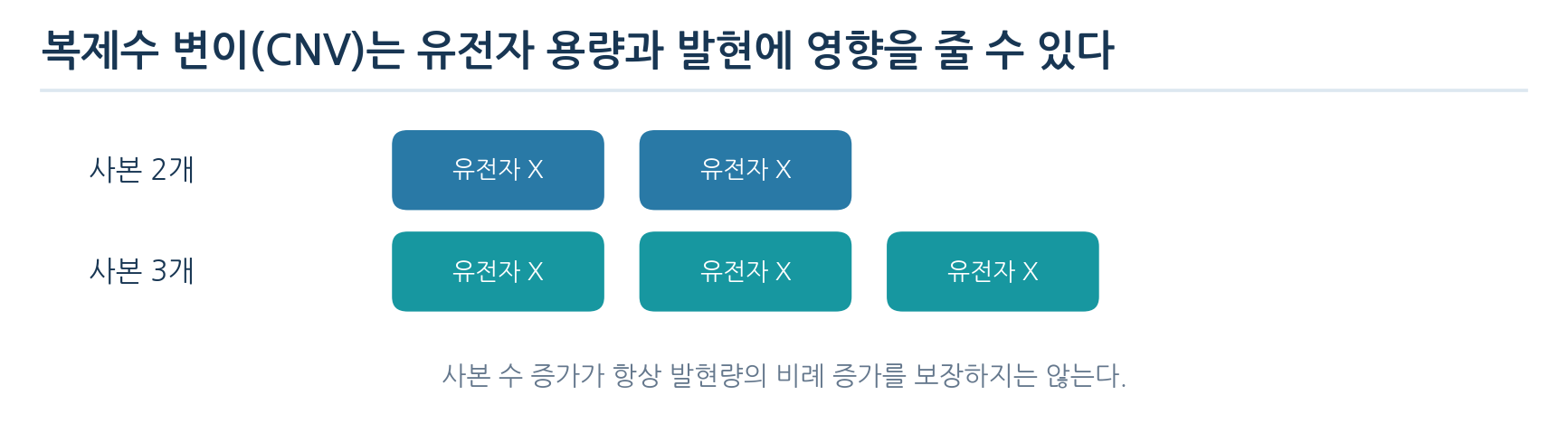
- Variants include single nucleotide changes, insertions, deletions, copy number variants, structural variants and repeat expansions
- Changes of the same size differ greatly in effect depending on position and reading frame
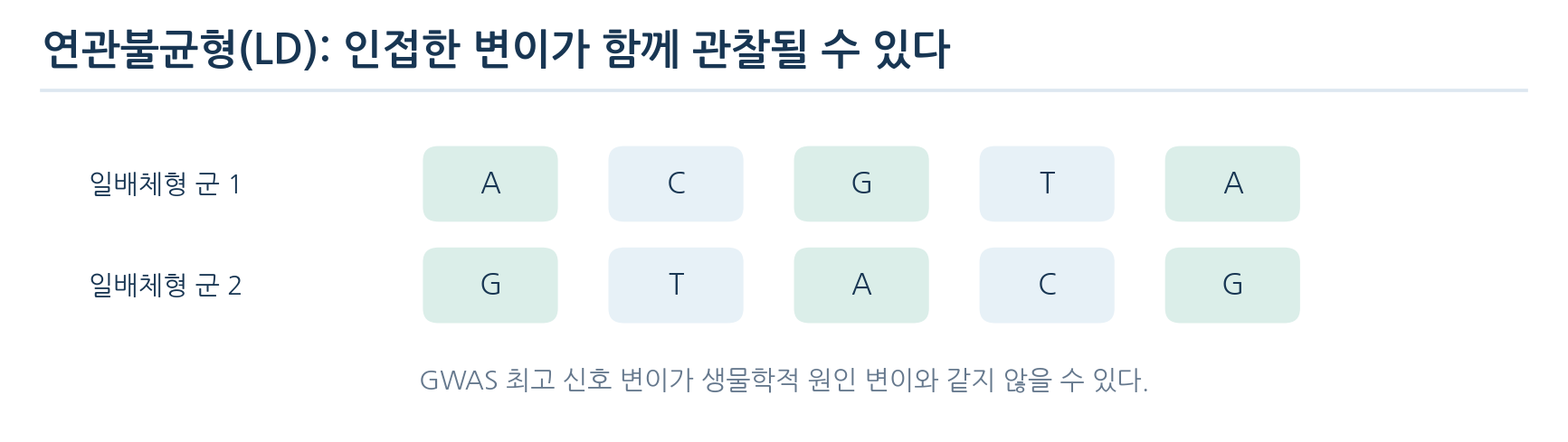
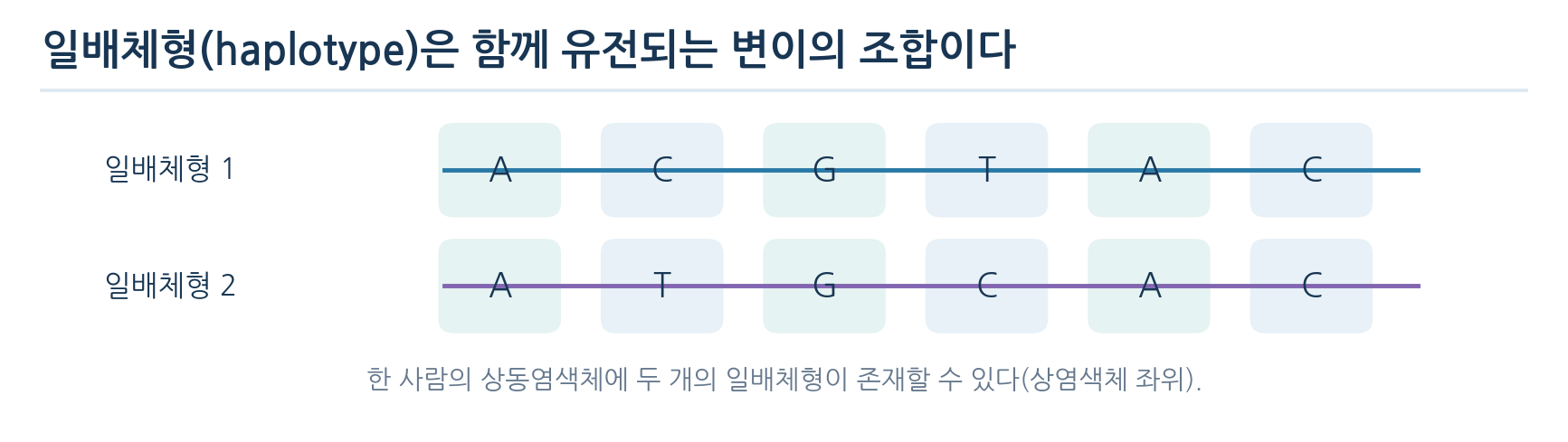
- A haplotype is a combination of variants inherited together on one chromosome
- Alleles are alternative sequence forms at a locus, and each individual carries two
- In families, haplotype transmission is tracked to show that a variant segregates with the trait
04
Genome sequences tell us about human history
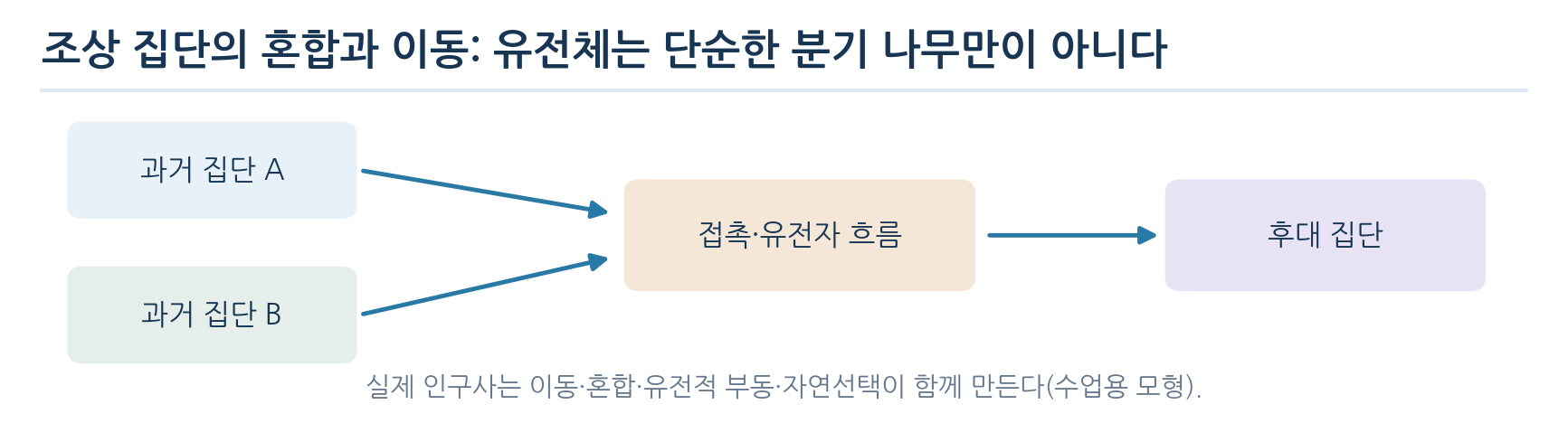
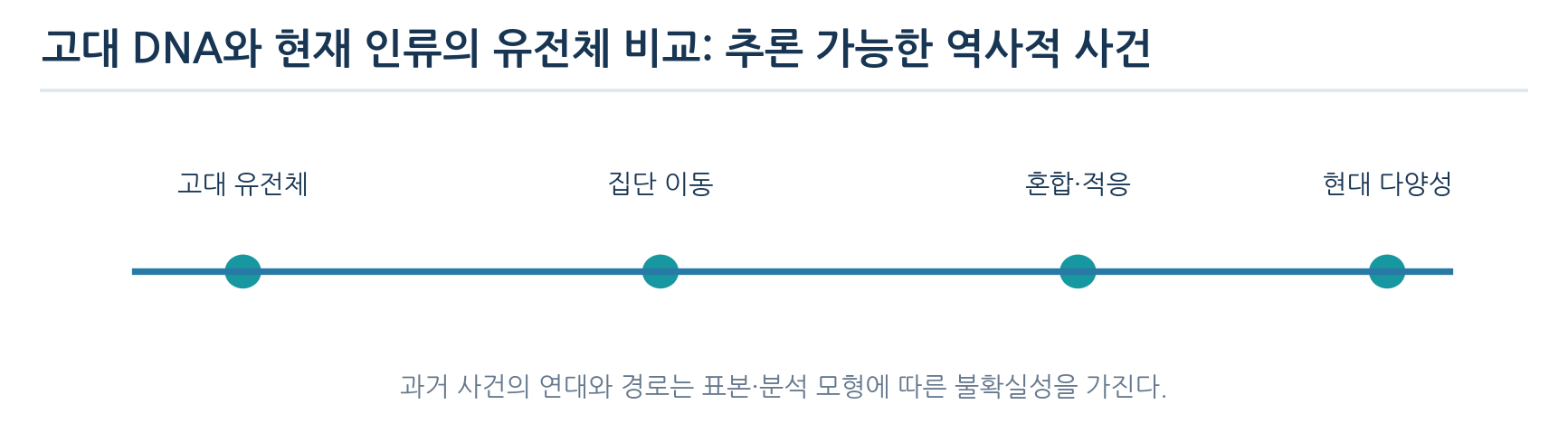
- Genome comparison infers migration, admixture and divergence between populations
- Ancient DNA directly shows past genetic composition and its relation to present populations
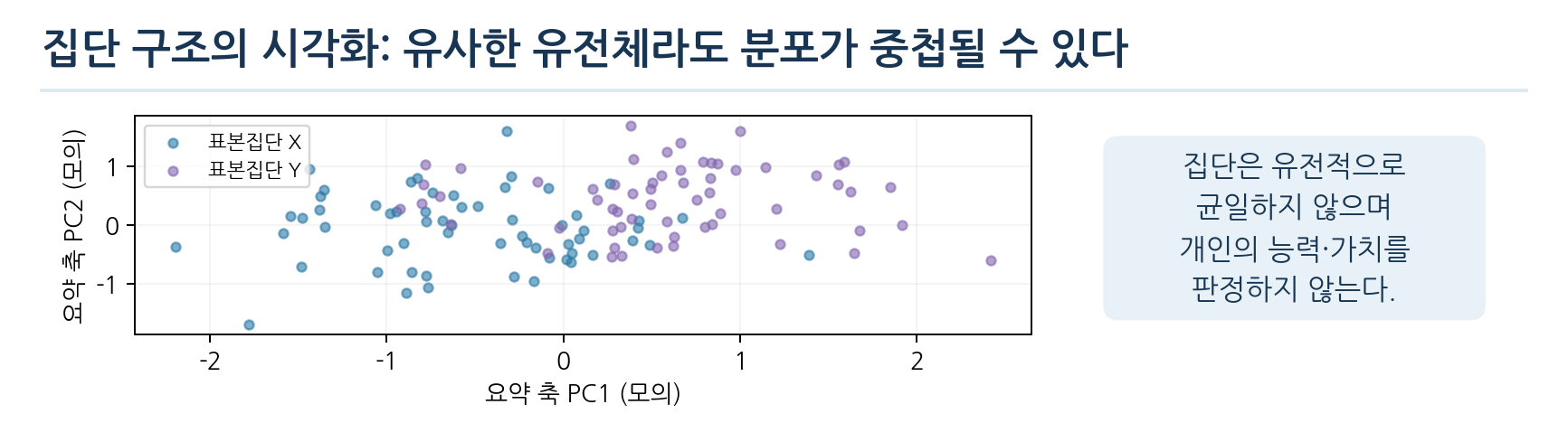
- Principal component analysis summarises population structure in two dimensions
- Genetic ancestry and social race categories are different concepts
- Race categories are social constructs while genomic variation is distributed continuously
- Within-population diversity is often greater than between-population difference
- Sample composition and the choice of reference populations affect interpretation
05
Genome comparison helps locate disease genes
- Monogenic disease is localised by tracking a large-effect variant within families
- Complex disease involves many small-effect variants, so population-scale association is needed
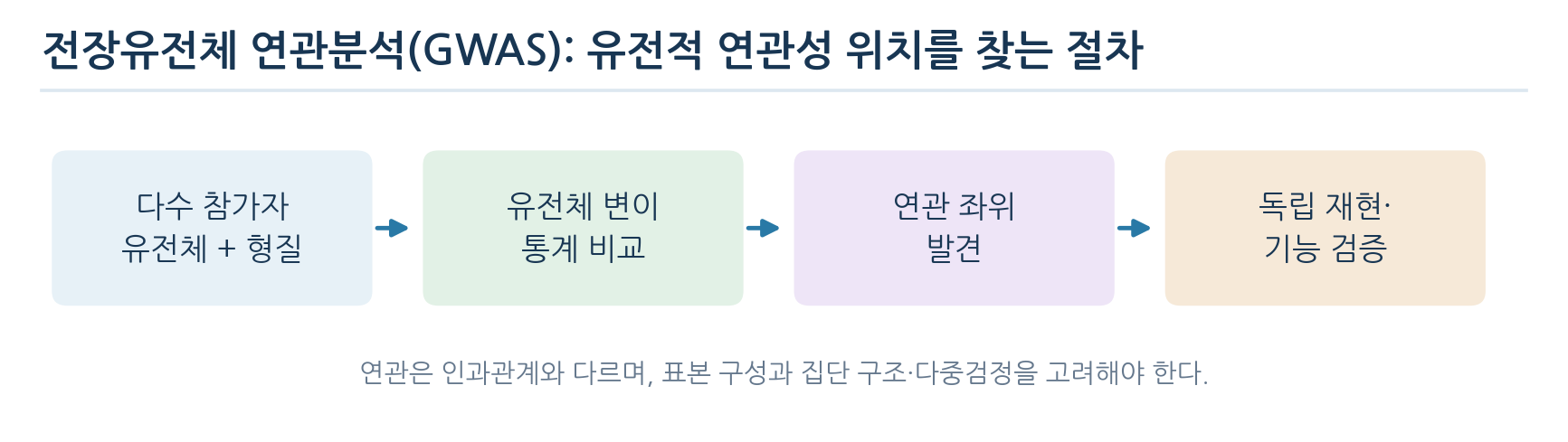
- A genome-wide association study compares allele frequencies between cases and controls
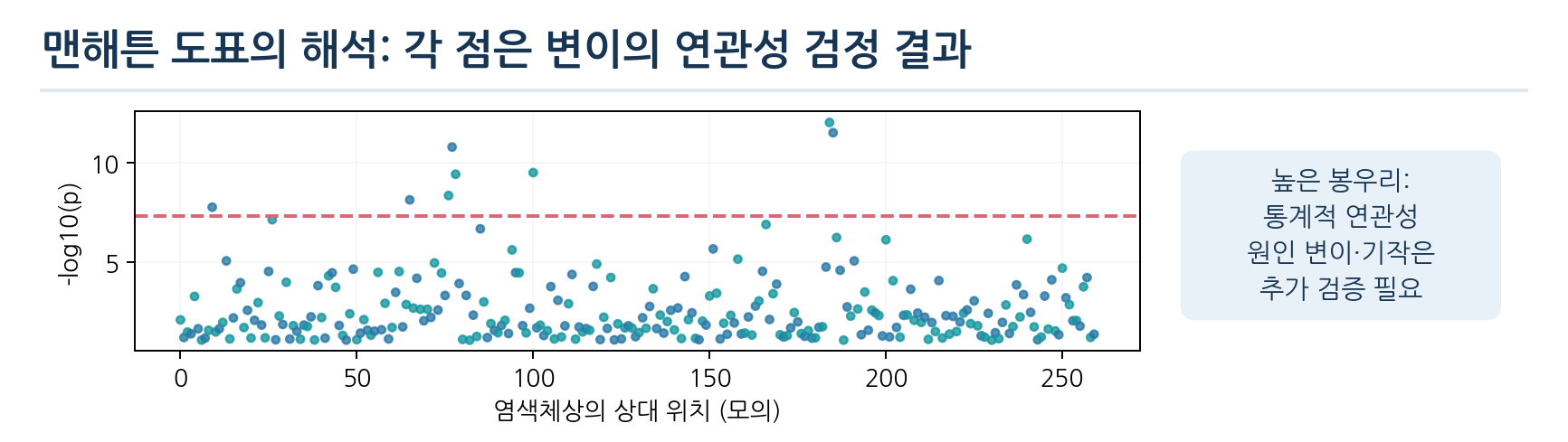
- A Manhattan plot displays the position and strength of signals across chromosomes
- Linkage disequilibrium makes a whole region appear associated, so the causal variant needs separate work
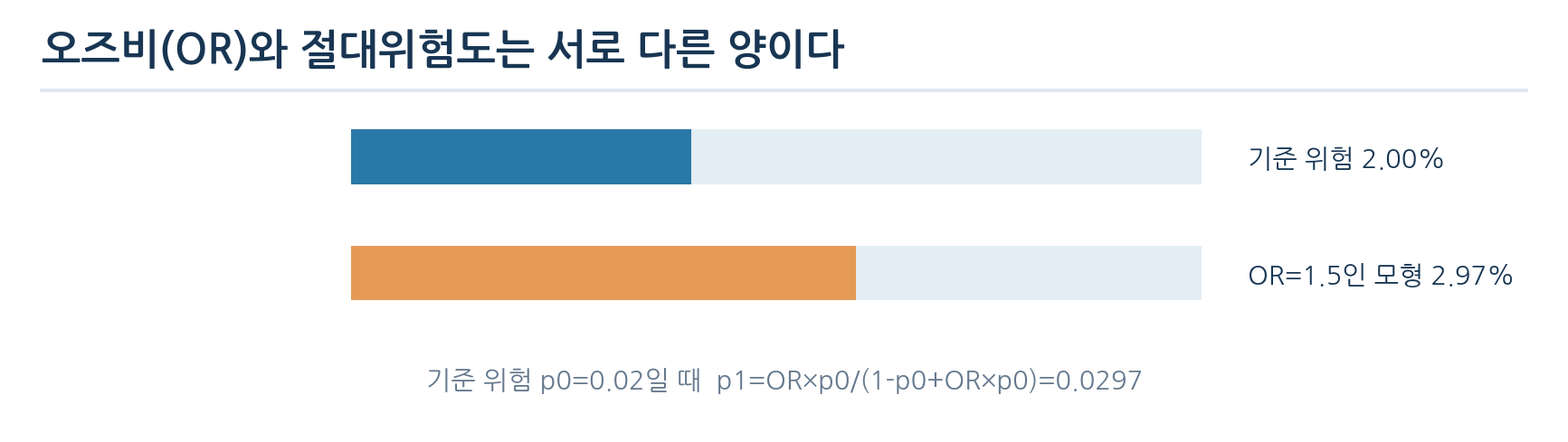
- An odds ratio gives relative risk but not absolute risk
- Example: an odds ratio of 1.5 against a baseline risk of 1 percent gives a small absolute increase
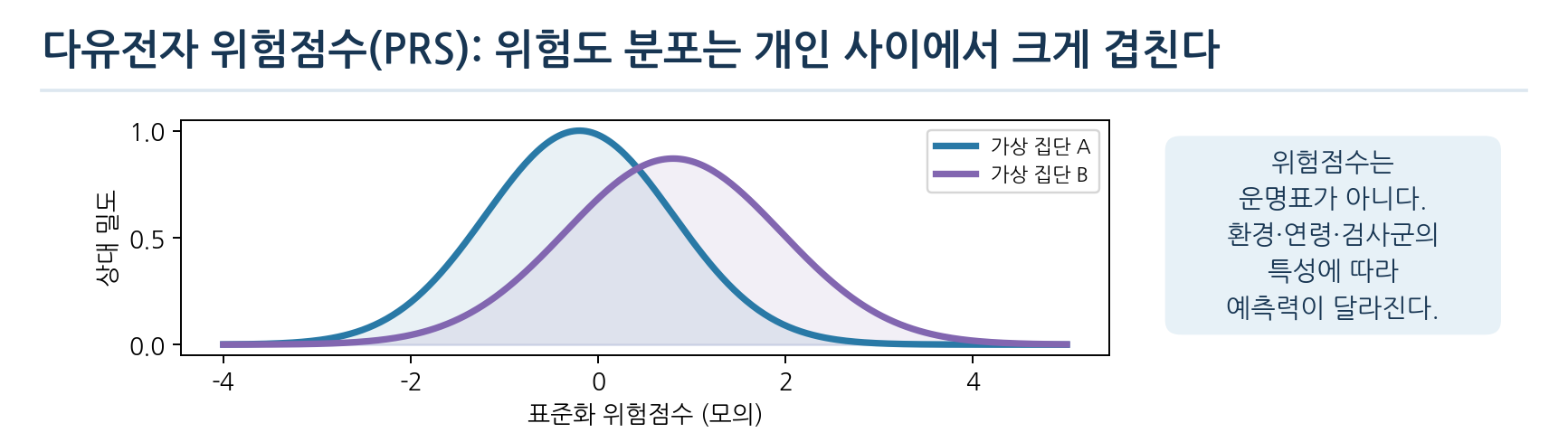
- Polygenic risk scores combine many variants but transferability between populations and environmental factors limit interpretation
- Association is not causation and needs functional and further epidemiological evidence
06
Genome sequence offers research opportunities and responsibilities
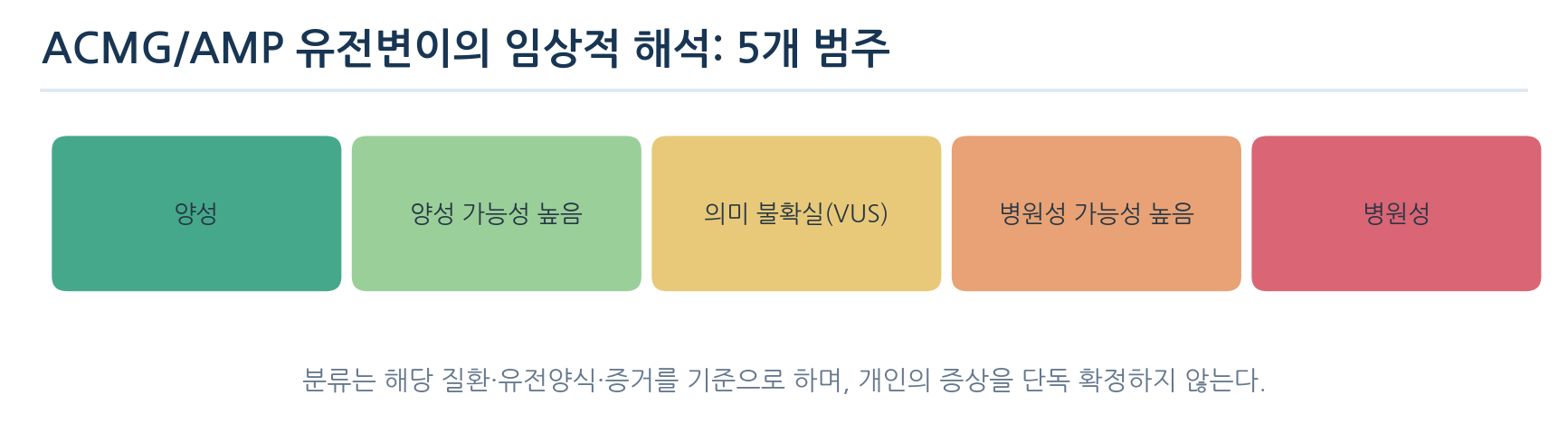
- Variant interpretation uses the categories pathogenic, likely pathogenic, uncertain significance, likely benign and benign
- Categories can be reclassified as evidence accumulates
- Clinical decisions combine variant interpretation with family history, phenotype and counselling
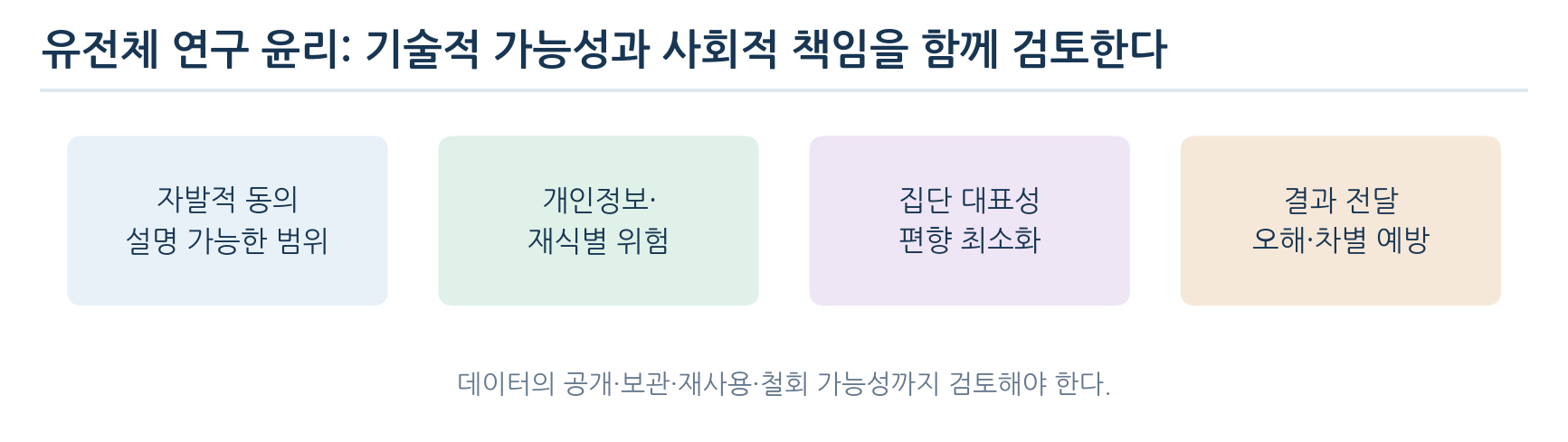
- Social use of genomic findings raises discrimination, privacy and equity concerns
- Data sharing, consent and return of results require explicit principles
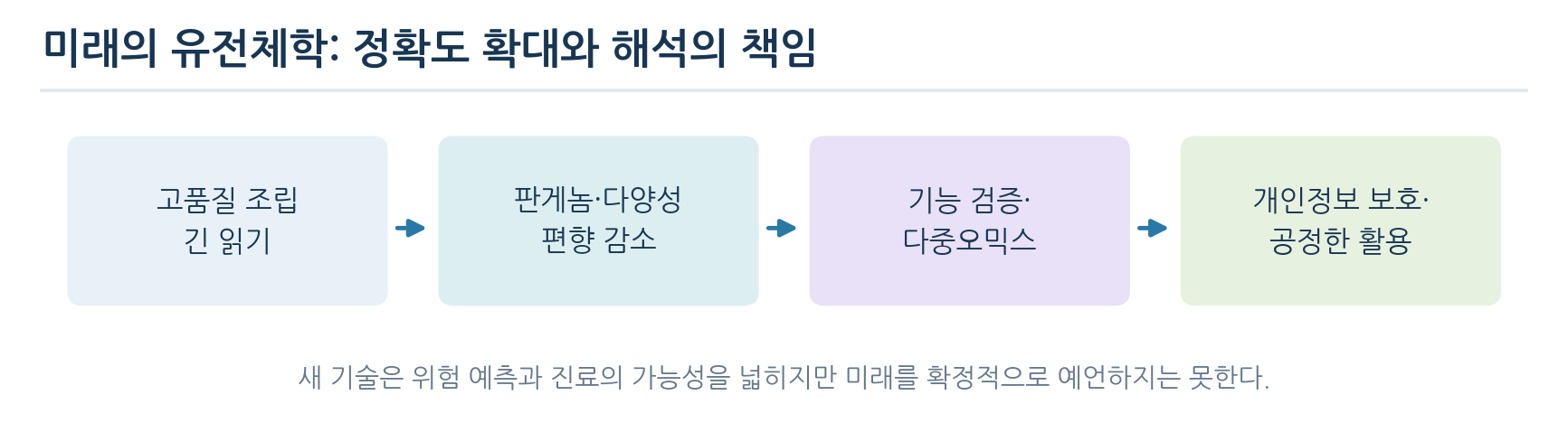
- Next steps extend to pangenomes, single cells, multi-omics and clinical integration
References
| Component | Approximate character | Caution in interpretation |
|---|---|---|
| Protein-coding exons | A small fraction of the genome | Not proportional to gene number |
| Non-coding sequence | Includes regulatory, repeat and structural elements | Much of it has no known function |
| Gene number | Varies with annotation release | State the source and version |
| Alternative splicing | Several transcripts from one gene | Transcript number differs from gene number |
| Pangenome | Includes structural variation across populations | Addresses limits of a single linear reference |
| Variant class | Typical observation | Possible biological effect |
|---|---|---|
| Single nucleotide variant | Substitution of one base | Synonymous, missense or nonsense change; altered regulation |
| Insertion or deletion | Addition or loss of a few bases | Frameshift and change in protein length |
| Copy number variant | Difference in repeat number of a segment | Change in gene dosage |
| Structural variant | Inversion, translocation or large deletion | Fusion genes and separation of regulatory regions |
| Repeat expansion | Increase in the number of short repeats | Protein aggregation and altered expression |
| Method | Main answer | Limit of the conclusion |
|---|---|---|
| Genome-wide association study | Association signal at population level | Does not give causation or individual risk directly |
| Manhattan plot | Position and strength of signals along chromosomes | Linkage disequilibrium leaves the causal variant unresolved |
| Odds ratio | Relative size of risk | Does not give absolute risk |
| Polygenic risk score | Combined score across variants | Limited transferability between populations |
| Variant interpretation guidelines | Clinical significance category | Uncertainty remains and reclassification can occur |